This site is supported by our readers. We may earn a commission, at no cost to you, if you purchase through links.
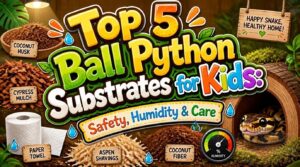
Cedar shavings smell great to us and can send a ball python into respiratory distress within days. That’s the kind of mistake a well-meaning kid makes at the pet store, reaching for whatever looks cozy instead of what’s actually safe.
Choosing ball python substrates for kids isn’t about picking the prettiest bag on the shelf. It’s about balancing humidity control, burrowing comfort, and cleanup that a young keeper can actually manage without a chemistry degree.
The right bedding builds confidence right alongside a healthy snake. Here’s where to start.
Table Of Contents
- Key Takeaways
- Top 5 Ball Python Substrates for Kids
- Safest Substrate Choices for Young Keepers
- Humidity, Depth, and Comfort Needs
- Easy Cleaning and Kid-Friendly Maintenance
- Frequently Asked Questions (FAQs)
- What is the best substrate for children’s python?
- What to feed a 4 year old ball python?
- How to make ball python substrate?
- What type of bedding should I use for a ball python?
- How much does ball python substrate typically cost?
- Can kids safely handle substrate changes alone?
- What tools do children need for maintenance?
- Is sand ever safe for ball pythons?
- How does winter weather affect substrate humidity?
- Conclusion
Key Takeaways
- Cedar and pine shavings release harmful phenolic compounds and oils that can cause respiratory distress in ball pythons, making them unsafe despite their pleasant smell to humans.
- Coconut fiber and cypress mulch are the top substrate choices for young keepers because they retain humidity well, support natural burrowing, and pose minimal health risks.
- Maintaining humidity between 60-80% (rising to 70% during shedding) with a 3-4 inch substrate depth is essential for a ball python’s respiratory health and successful shedding cycles.
- Paper towels are ideal for quarantine, new hatchlings, and feeding time since they eliminate impaction risk and let kids easily spot and clean waste, while adult supervision remains necessary for all substrate changes.
Top 5 Ball Python Substrates for Kids
Choosing the right substrate matters just as much for your child’s confidence as it does for your snake’s health. Not every bedding option offers the same balance of safety, humidity control, and ease of cleaning that young keepers need.
Getting this choice right from the start can save you countless headaches, which is why this guide to choosing safe snake substrate beddings for baby snakes breaks down what actually works.
Here are five substrates that check all three boxes, starting with a coconut-based option worth considering first.
1. Organic Coconut Chip Reptile Substrate
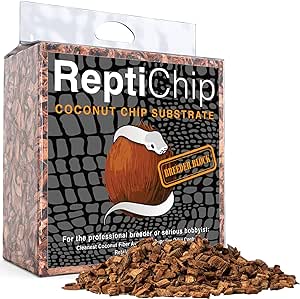
A compressed brick of pure coconut husk chips expands into 72 quarts once you add water, giving you dust-free, calcium-free bedding your child can safely handle.
The porous chips retain humidity without soaking, and their loose texture lets ball pythons burrow naturally. Spot cleaning is simple: scoop soiled sections, leave the rest undisturbed. Just remember, breaking apart the brick takes some muscle, so an adult should help little ones during setup.
| Best For | This substrate is best for reptile, amphibian, and invertebrate keepers who want a natural, dust-free bedding for burrowing species like ball pythons, geckos, and tarantulas. |
|---|---|
| Absorbency | High humidity retention |
| Easy Cleaning | Odor-absorbing chips |
| Compressed or Packaged | Compressed brick |
| Multi-species Use | Tropical reptiles, amphibians |
| Volume Specified | 72 quarts |
| Disposal Consideration | Biodegradable |
| Additional Features |
|
- Expands from a compact brick into 72 quarts of usable substrate
- Retains humidity well without becoming soggy
- Odor-absorbing and dust-free, making cleanup and maintenance easier
- Requires soaking and manual breaking apart before use, which takes some effort
- Moisture levels need to be adjusted based on each species’ specific needs
- Not ready to use straight out of the package, so setup takes extra time
2. Zoo Med Eco Earth Coconut Fiber
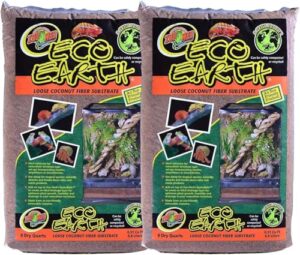
If loose chips feel like too much prep work, Eco Earth’s pre-loosened coconut fiber skips the brick-breaking step entirely. It’s already fluffy and ready to dampen, making setup faster for busy parents.
The fibrous texture holds humidity well for tropical enclosures while resisting mold when kept properly damp, not soggy. Waste blends into the substrate, though, so kids may need extra guidance spotting soiled areas during cleaning. Otherwise, it’s a solid, beginner-friendly humidity booster.
| Best For | parents who want a quick, low-effort humidity substrate for kids’ tropical pet enclosures without the hassle of breaking apart compressed bricks. |
|---|---|
| Absorbency | Naturally absorbs waste |
| Easy Cleaning | Breaks down odors |
| Compressed or Packaged | Compressed fiber packs |
| Multi-species Use | Reptiles, amphibians, plants |
| Volume Specified | 16 quarts |
| Disposal Consideration | Compostable |
| Additional Features |
|
- Pre-loosened and fluffy, so it’s ready to dampen right out of the pack with no prep work
- Holds humidity well, making it great for tropical species that need consistent moisture
- All-natural, compostable coconut fiber that’s safe and eco-friendly
- Waste blends into the substrate, making it harder for kids to spot and clean soiled spots
- Moisture content can vary between batches, so it may arrive drier than expected
- Some users report inconsistent pack counts per order
3. Zoo Med Cypress Mulch Bedding
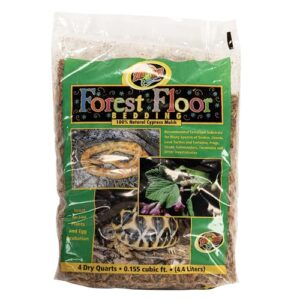
Want a substrate that actually looks like a forest floor? Zoo Med’s Cypress Mulch delivers that natural aesthetic while staying untreated for faster moisture absorption. It stabilizes humidity nicely during shedding cycles, and its flat texture gives juveniles solid footing without hiding spots for live prey.
The catch: natural bark can harbor pests, so baking at 250°F for one hour is smart insurance. It’s pricier than paper towels, but the payoff is a stable, low-fuss microclimate for tropical setups.
| Best For | This substrate is best for owners of tropical snakes, lizards, tortoises, amphibians, and invertebrates who want a naturalistic, humidity-friendly setup, including bioactive enclosures. |
|---|---|
| Absorbency | Moisture retention |
| Easy Cleaning | Natural odor control |
| Compressed or Packaged | Packaged mulch |
| Multi-species Use | Snakes, lizards, tortoises |
| Volume Specified | 4 quarts |
| Disposal Consideration | May require sterilization |
| Additional Features |
|
- Retains moisture well, helping maintain steady humidity for tropical species
- Gives a natural, forest-floor look that supports burrowing behavior
- Works well in bioactive terrarium setups
- Natural material may contain pests and often needs baking to sterilize
- Costs more than simpler substrates like paper towels
- Lightweight 4-quart bags may not go far in larger enclosures
4. Tropicoco Husk Reptile Bedding Block
 View On Amazon
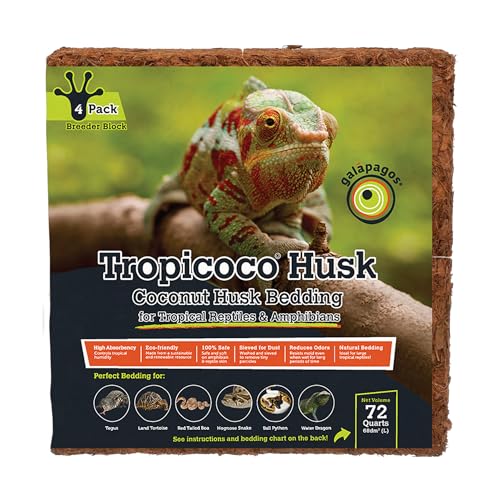
If cypress mulch feels too rustic for your setup, Tropicoco Husk offers a cleaner alternative. This compressed coconut brick expands into a fiber-rich, diggable bedding that holds moisture for days, cutting down misting chores a lot.
Because it releases moisture gradually rather than all at once, this substrate helps maintain the steady humidity range outlined in this corn snake habitat setup guide, without the soggy spots loose mulch can create.
| Best For | Tropicoco Husk is best for reptile owners keeping tropical species like chameleons, boas, tortoises, and water dragons that depend on steady humidity. |
|---|---|
| Absorbency | High absorbency |
| Easy Cleaning | Reduces respiratory risks |
| Compressed or Packaged | Compressed block |
| Multi-species Use | Tortoises, snakes, water dragons |
| Volume Specified | 72 quarts |
| Disposal Consideration | Eco-friendly |
| Additional Features |
|
- High absorbency keeps humidity levels stable for tropical enclosures
- Dust-free formula lowers respiratory risks for sensitive pets
- Made from sustainable, chemical-free organic material
- Arrives compressed, so it needs time to expand before use
- Humidity needs can vary by species, so you may need to adjust setup
- Not the best fit if you’re keeping arid or desert-dwelling reptiles
5. Scott Choose A Sheet Paper Towels
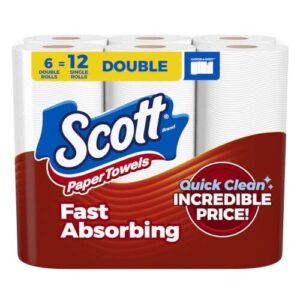
For quarantine or brand-new hatchlings, plain paper towels beat any loose substrate hands down. Scott Choose-A-Sheet lets you tear off exactly the size you need, so spot-cleaning waste takes seconds and kids can actually see what’s normal versus concerning.
There’s zero impaction risk here, no hiding spots for mites, and the ridged texture soaks up messes fast. It won’t hold humidity like coconut fiber, but for a starter enclosure, that trade-off is worth the peace of mind.
| Best For | Reptile and small pet owners who need a safe, easy-to-monitor substrate for quarantine setups or brand-new hatchlings. |
|---|---|
| Absorbency | Strong absorbency |
| Easy Cleaning | Fast and easy cleaning |
| Compressed or Packaged | Rolled sheets |
| Multi-species Use | General mess cleanup |
| Volume Specified | 108 sheets per roll |
| Disposal Consideration | Disposable |
| Additional Features |
|
- Tear-off sizing makes spot-cleaning waste quick and simple
- Zero impaction risk and no hiding spots for mites, unlike loose substrates
- Ridged texture absorbs messes fast, keeping enclosures clean
- Doesn’t hold humidity the way coconut fiber or other substrates do
- Disposable design means ongoing repurchases rather than a one-time setup
- Not ideal for setups where a more natural, decorative look is preferred
Safest Substrate Choices for Young Keepers
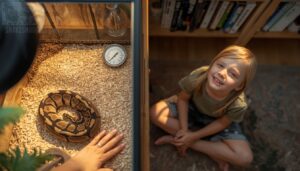
Not every substrate on the market belongs in a young keeper’s enclosure, and knowing which ones actually earn their spot makes all the difference.
For young ball pythons especially, aspen and coconut fiber offer the best balance of moisture retention and burrowing depth—check out this complete ball python enclosure setup guide for substrate depth recommendations by age.
Safety, humidity control, and ease of cleaning all matter here, so the right choice should check every box, not just one or two. Here are five options that meet those standards and keep both your snake and your child confident and comfortable.
Paper Towels for Beginners
No impaction risk, no guesswork — that’s what makes paper towels the go-to starter substrate for young keepers.
- Flat, tearable sheets
- Easy waste visibility
- Zero digestion hazards
Two-ply options offer better absorbency and tear resistance during spot cleaning. Replace sheets often for proper hygiene, keeping costs low while kids learn responsible reptile husbandry through simple, transparent waste monitoring.
Coconut Fiber for Humidity
Coconut fiber acts like a natural sponge, pulling moisture from the air and releasing it slowly to stabilize your ball python’s microclimate. Its porous structure allows capillary action, spreading dampness evenly across a 3–4 inch layer without soggy patches. This steady humidity retention helps smooth shedding cycles, making coconut fiber a trusted staple in beginner-friendly reptile husbandry.
These rot-resistant natural fibers are highly durable and withstand moisture without breaking down easily.
Cypress Mulch for Stability
Think of it as nature’s own erosion barrier: cypress fibers interlock into a dense mat that holds its shape under weight and moisture. This nontoxic material resists compaction, maintains steady humidity retention, and decomposes slowly compared to hardwood blends.
- Erosion control on sloped enclosure edges
- Moisture retention through fiber bonding
- Weed suppression (outdoor setups only)
- Slow decomposition extends usable life
- Safe, low-dust reptile enclosure setup
Sphagnum Moss for Hides
Sphagnov moss turns a hide into a mini rainforest. It soaks up to 20 times its weight in water, giving a humid hide steady moisture retention for days.
Sphagnum moss turns a simple hide into a mini rainforest, soaking up twenty times its weight in water to keep humidity steady
| Benefit | How It Helps | Watch For |
|---|---|---|
| Antimicrobial | Resists mold | Musty smell |
| Soft texture | Gentle burrowing | Compaction |
| Humidity spikes | Aids shedding | Visible mold |
Replace it once it smells or looks moldy — it’s reptile-safe only when fresh.
Avoid Toxic Wood Shavings
That pretty bag of cedar shavings at the pet store? Skip it — it’s a hidden danger.
- Cedar toxicity releases harmful phenolic compounds
- Pine shavings emit similar aromatic oils
- Both trigger respiratory irritation and inflammation
- Wood dust inhalation harms delicate lungs
- Nontoxic materials exist for safer alternatives
Choose coconut fiber or paper towels instead — your ball python’s airways will thank you.
Humidity, Depth, and Comfort Needs
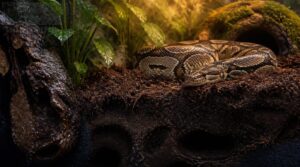
Picking a safe substrate is only half the job, since your snake’s comfort depends just as much on how you set it up. Humidity, depth, and space to burrow all work together to keep your ball python healthy and stress-free. Here’s what you need to get that microclimate right.
Keep Humidity 60–80%
Since a ball python’s respiratory and shedding health hinges on stable moisture, keep RH between 60% and 80% at all times. Place a hygrometer near the substrate and another by the hide to monitor diurnal patterns.
| Humidity Level | Effect |
|---|---|
| Below 60% | Dry, stuck shed |
| 60–80% | Healthy, reptile-safe |
| Moisture buffer | 24–48 hr retention |
| Coconut fiber | High retention |
| Sphagnum moss | Holds 20x weight |
Raise Humidity During Shedding
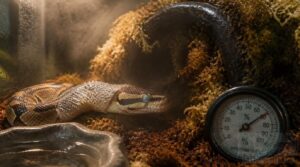
During ecdysis, your snake needs that extra push, so nudge humidity up to around 70%. A humid hide lined with damp sphagnum moss works wonders here, giving your ball python a moist microclimate to retreat into.
Mist lightly once or twice daily, and check hygrometer placement at substrate level for accuracy. This combo helps prevent stuck shed without soaking the whole enclosure.
Use 3–4 Inches
Once shed cycles settle down, shift focus back to depth. Your ball python’s burrowing instinct runs deep (literally), so aim for 3 to 4 inches of substrate.
This range helps natural burrow temperature zones, acts as a substrate moisture buffer, and prevents depth impaction issues from shallow, loose layers kids might overfill during cleaning.
Deeper Bioactive Layers
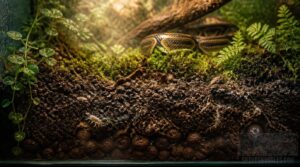
For kids drawn to a naturalistic vivarium, a bioactive setup takes depth further, 5 to 6 inches, supporting live plants and microfauna that handle waste.
Beneficial microbes drive microbial waste breakdown and nutrient cycling, while forming soil aggregates that improve porosity. This builds microclimate stability, supporting fungal community health and steady habitat moisture regulation, rehydrating naturally after digging or spills.
Support Safe Burrowing
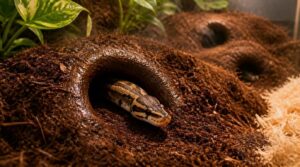
A good ball python substrate does more than sit there, it lets your snake express natural burrowing behaviors safely. Choose fine texture bedding like coconut fiber over aspen shavings (impaction risk!) for smooth tunnels.
- Soft, snag-free tunnel walls
- Gently sloped entrances
- Multiple exit routes
Balance moisture retention, maintain tunnel ventilation design, and schedule regular tunnel inspection for collapse or mold.
Easy Cleaning and Kid-Friendly Maintenance
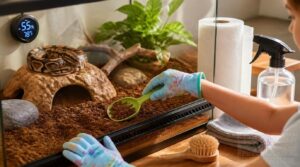
A clean enclosure isn’t just about looks, it’s about keeping your snake healthy and your child confident in caring for it. Good maintenance habits are simple once you know the routine, and they don’t take much time out of your day. Here’s what you and your child need to stay on top of, week after week.
Spot Clean Every Few Days
A quick habit beats a big cleanup every time. Check the enclosure every 2 to 3 days for waste, using gloves and a designated scoop or toothbrush for spot cleaning ball python substrates.
Blot damp patches near water dishes right away to stop mold growth before it starts. A digital hygrometer confirms humidity stays balanced once you’re done tidying.
Replace Bedding on Schedule
Mark your calendar: coconut fiber and cypress mulch need full replacement every 2 to 4 weeks, paper towels every 1 to 3 days. Label each change with the date and reason—shedding, odor, or decay—so tracking substrate lifespan becomes second nature.
Watch for musty smells or discoloration, both signs of mold. A simple rotation plan keeps fresh bedding always ready, minimizing waste buildup and contamination.
Use Digital Hygrometers
Digital hygrometers are your best defense against guesswork. Place the sensor at mouth level, away from vents or splash zones, for accurate readings.
Aim for a stable 50–60% humidity range, spiking to 70–80% during shedding. Set alarms for range alerts, and use app-based remote monitoring or data logging to track your enclosure’s microclimate stability over time.
Watch for Mold Growth
Mold thrives above 70% humidity, especially in warm 77–86°F pockets under hides. Look for fuzzy dark green, black, or white colonies, or a musty, earthy smell signaling hidden growth.
Discolored, mushy patches mean it’s time to toss that bedding. Fix leaks fast, let substrate dry between cleanings, and stick to your hygiene routine to keep pathogens and fungal spores from taking hold.
Separate Feeding From Substrate
Feeding time isn’t the moment to trust loose substrate. Moving your ball python to a dedicated feeding tub lined with paper towels slashes impaction risk dramatically.
- Use tongs, not bare hands, for prey
- Line the tub with plain paper towels
- Skip loose bedding entirely during meals
- Return your snake to its enclosure after
- Watch closely for any accidental substrate ingestion
This simple habit protects digestion and keeps hygiene solid.
Frequently Asked Questions (FAQs)
What is the best substrate for children’s python?
Like a soft, breathable blanket, coconut fiber wins for young keepers—it holds humidity, resists impaction, and costs $5–$ Paired with a digital hygrometer, it’s the safest, most beginner-friendly choice for healthy ball python husbandry.
What to feed a 4 year old ball python?
A four-year-old ball python does best on appropriately sized rats, offered every 10 to 14 days. Thaw prey fully to body temperature, monitor weight gain, and adjust portions if your snake seems too thin or heavy.
How to make ball python substrate?
Well begun is half done: mix coconut fiber with cypress mulch, rinse hardwood pieces thoroughly, then layer 3–4 inches deep, creating moisture pockets and adding leaf litter for natural humidity buffering and healthy microclimate balance.
What type of bedding should I use for a ball python?
Coco fiber or cypress mulch works best, offering strong moisture retention capacity and reptile-safe comfort for burrowing. Avoid cedar or pine due to substrate toxicity—their oils trigger real respiratory safety concerns in ball pythons.
How much does ball python substrate typically cost?
Expect to spend $5 to $30 per bag, with paper towels costing just a few dollars and premium bioactive setups running $50 to $ Budgeting for setups depends heavily on substrate type, container size, and replacement frequency.
Can kids safely handle substrate changes alone?
Not quite solo just yet. Kids can help, but adult supervision stays essential for escape prevention, safe handling, and hygiene protocols — pair young keepers with a grown-up during every ball python substrate change for true safety.
What tools do children need for maintenance?
Kid-sized gloves, a digital hygrometer, and a small scoop cover safety gear and measuring accuracy.
Paper towels handle cleanup supplies, while a maintenance log tracks spot cleaning and humidity levels, keeping enclosure maintenance simple and organized for young keepers.
Is sand ever safe for ball pythons?
Sandy substrates simply spell trouble: sand fails to hold humidity, worsens impaction risk during feeding, and irritates ventral scales.
Fiber-based options like coconut husk offer far better humidity retention, making them the safer, reptile-safe choice for growing ball pythons.
How does winter weather affect substrate humidity?
Indoor heating dries the air fast, pulling moisture from substrate surfaces. Seal drafts, watch for condensation on cooler patches, and check your humidity range daily—winter’s biggest threat isn’t the cold itself, it’s the moisture gradient your heater quietly creates indoors.
Conclusion
Getting to the root of good bedding means knowing that coconut beats cedar every time. The best ball python substrates for kids aren’t flashy; they’re functional, holding humidity steady while forgiving the small mistakes young keepers make.
Paper towels teach basics. Coconut fiber teaches patience. Cypress mulch teaches balance.
Each layer becomes a lesson in responsibility, not just bedding for your snake. Master the substrate, and confident, healthy care follows naturally.