This site is supported by our readers. We may earn a commission, at no cost to you, if you purchase through links.
A snake that stops eating rarely explains itself. You just notice the ribs showing under the scales, or a patch of skin that looks wet and dull instead of glossy. Weight loss and skin changes often arrive together, and that pairing matters more than either sign alone.
Snake skin infection and emaciation frequently share a root cause: bacteria, fungus, or parasites overwhelming a body already under stress. Left untended, a small crusted lesion can spiral into systemic illness within weeks.
Understanding what’s driving both signs, and knowing which steps restore your snake’s health, gives you the control this situation demands.
Table Of Contents
- Key Takeaways
- Snake Skin Infection Warning Signs
- Why Infected Snakes Lose Weight
- Common Causes in Pet Snakes
- Veterinary Diagnosis and Treatment
- Home Care During Recovery
- Frequently Asked Questions (FAQs)
- How to help an emaciated snake?
- What does sepsis look like in snakes?
- Is snakeskin skin permanent?
- Can snakes get skin infections?
- What is the early stage of snake blister disease?
- What are the symptoms of snake fungal disease?
- What does a skin infection look like on a snake?
- What is necrotic stomatitis in snakes?
- Can SFD affect other reptiles besides snakes?
- How long can snakes survive with untreated SFD?
- Conclusion
Key Takeaways
- Skin infections and weight loss in snakes usually share a root cause, such as bacteria, fungus, or parasites overwhelming a stressed immune system, so treating both signs together matters more than addressing either alone.
- Warning signs like crusted or ulcerated scales, redness and swelling, discharge, abnormal shedding, and facial lesions often signal snake fungal disease or bacterial infection and require prompt veterinary attention.
- Weight loss stems from multiple overlapping causes, including stress-related appetite suppression, infection-driven energy drain, parasites causing anemia, poor feeder nutrition, and underlying internal disease.
- Most infections trace back to enclosure conditions like damp bedding, poor hygiene, mites, and husbandry-related injuries, so proper quarantine, humidity control, clean setups, and consistent monitoring are essential for recovery.
Snake Skin Infection Warning Signs
Your snake’s skin often tells you something is wrong before you notice any change in behavior or appetite. Catching these signs early gives you a real head start on treatment and recovery. Here’s what you should be watching for during your regular handling and enclosure checks.
Discoloration, retained shed, or unusual blisters can signal an underlying issue, so it helps to learn common causes and prevention tips for snake infections before problems escalate.
A snake’s skin often reveals illness before behavior or appetite ever change, so early checks matter
Crusted or Ulcerated Scales
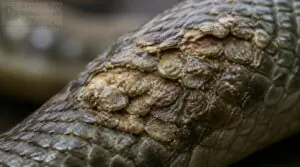
Run your fingers along a healthy snake and you’ll feel smooth, overlapping scales. Crusted or ulcerated scales feel different—rough, raised, sometimes fused by dried debris. This often signals snake fungal disease (Ophidiomyces ophiodiicola), where keratin plug formation traps yellowish material under damaged tissue.
Watch for ulcer edge irregularity, scale adhesion loss, and exudate debris buildup—all signs of surface barrier failure that invite infection and, eventually, emaciation.
These clinical presentations may involve various types of secondary skin lesions that indicate deeper tissue damage.
Redness and Swelling
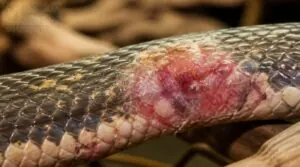
Beneath those crusted scales, you’ll often find redness and swelling—classic cardinal signs of inflammation. Dilated vessels increase local blood flow, causing localized heat, while vascular permeability lets fluid leak into surrounding tissue.
That fluid buildup can progress to subcutaneous edema, especially with skin fragility from an existing skin infection. Inflammatory mediators driving this response also stimulate nerve endings, so don’t be surprised if your snake seems reluctant to be handled.
Discharge or Dead Tissue
Once inflammation progresses, watch skin openings for purulent discharge—thick white, yellow, or green material signaling active bacterial infection. Serosanguinous fluid mixed in points to tissue breakdown, not simple irritation.
Necrotic tissue looks dead and non-viable, often paired with foul odor from bacterial activity. It blocks healing, requiring debridement—surgical or enzymatic—since dead tissue has no blood supply and can’t recover on its own.
Abnormal Shedding Cycles
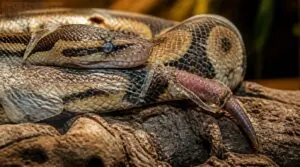
Dead tissue and discharge often coincide with disrupted shed cycles. Watch shedding frequency patterns closely—too frequent or too sparse both signal trouble.
Incomplete skin retention leaves patches stuck near joints, causing joint skin irritation. Moisture under scales invites bacteria, while constricting shed rings around the tail or digits can impair circulation.
Dysecdysis rarely resolves alone; it points toward deeper skin infections in snakes requiring veterinary attention.
Facial Lesions or Disfigurement
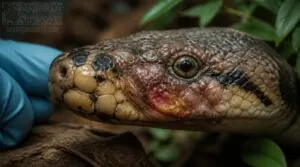
Watch the face closely—it’s often where infection hits hardest. Facial asymmetry develops as swelling distorts normal contours around the mouth and eyes.
Ulcerated skin exposes raw tissue, causing pain that suppresses appetite. Discharge staining leaves visible discoloration, and necrotic tissue odor signals active breakdown.
Scale texture changes from smooth to rough, uneven surfaces. Left untreated, facial disfiguration worsens, threatening connective tissue integrity and demanding prompt wound management.
Why Infected Snakes Lose Weight
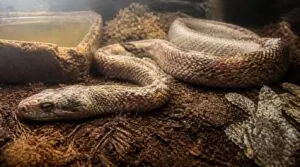
Weight loss rarely comes from one simple cause. Several different mechanisms can drain a snake’s body at the same time, often working together. Here’s what’s usually behind it.
Appetite Loss From Stress
A stressed snake often stops eating entirely, and it’s rarely stubbornness. Cortisol hunger suppression disrupts hypothalamus signaling, dulling normal hunger cues. Environmental stressors add stomach acid and nausea, making food feel unwelcome even when needed.
If refusal to eat coincides with a recent shed, check for retained tail rings or discoloration using this post-shed health check for stressed snakes.
This husbandry-induced anorexia often precedes visible illness. Anxiety compounds the problem, altering eating patterns until proper reptile nutrition becomes nearly impossible without addressing the root stress first.
Infection-driven Energy Drain
Fighting off skin infections in snakes costs real energy. Your snake’s immune system burns ATP to mount its defense, triggering sickness metabolism shifts that prioritize healing over growth.
Chronic inflammation carries ongoing costs, and tissue repair demands fuel too. Nutrient redistribution favors defense over body condition, so your snake grows emaciated even while fighting hard—especially if sepsis or bacteremia complicates disease progression.
Parasites and Anemia
Parasites quietly starve the bloodstream while your snake keeps eating. Hookworm iron loss and hemoglobin depletion often hide behind pale gums and low stamina.
- Hookworms drain blood directly from the gut wall
- Protozoal malabsorption blocks nutrient uptake for new red cells
- Parasite-induced inflammation disrupts iron handling
- Eosinophilia signals immune activation working overtime
Combined with skin infections, this microbial burden pushes reptile pathology toward emaciation and poor animal wellness.
Poor Feeder Nutrition
A frozen mouse isn’t automatic nutrition — it depends entirely on how it was raised, thawed, and matched to your snake’s size.
Prey nutrient quality suffers when feeders were malnourished before harvest, or thawed and refrozen.
Size match importance matters too: undersized prey creates a chronic caloric deficit, leading to malnourished snakes, micronutrient imbalance, and vitamin C deficiency despite regular feeding.
Internal Disease Concerns
Sometimes weight loss isn’t about food at all — it’s about what’s happening beneath the skin. Gastrointestinal inflammation, organ dysfunction, and systemic immune stress can quietly disrupt digestion and nutrient absorption.
Watch for:
- Poor stool quality or irregular output
- Vitamin C deficiency (hypovitaminosis C) affecting collagen production
- Lethargy paired with steady weight loss
These signal internal disease requiring nutritional support and veterinary evaluation, not just dietary changes.
Common Causes in Pet Snakes
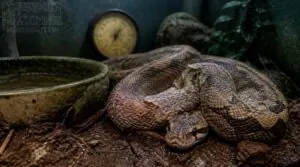
Most skin infections in pet snakes trace back to something in the enclosure, not bad luck. Once you know what to look for, you can catch problems early and act fast. Here are the five most common culprits you’ll want to watch for.
Damp Contaminated Bedding
When bedding stays wet, it becomes a breeding ground for microbial infection and mold. Moisture trapped in folds creates micro-area dampness, hidden from casual inspection.
| Signs of Damp Bedding | Why It Matters |
|---|---|
| Musty odor | Indicates active microbial growth |
| Soggy or degraded texture | Retains moisture, irritates scales |
| Mold spores when disturbed | Can trigger respiratory or skin issues |
Left unchecked, this sets the stage for snake fungal disease and sepsis.
Scale Rot Bacteria
Once bedding stays wet, bacteria like Aeromonas and Pseudomonas move in fast. They target ventral scale discoloration first, then invade through skin tears.
- Biofilm forms, letting bacteria persist on moist skin
- Protease enzymes break down tissue, causing ulceration
- Necrosis progresses, sometimes turning tissue black
- Odor develops from active bacterial breakdown
- Untreated cases risk sepsis and microbial infection
Veterinary diagnostics catch it early, before your snake becomes emaciated.
Snake Fungal Disease
Bacterial rot has a fungal cousin: Ophidiomyces ophiodiicola, the pathogen behind snake fungal disease (ophidiomycosis). It enters through skin wounds, producing facial swelling and nodules.
Incubation runs 12 to 37 days, so onset varies. Untreated cases spread internally to kidneys, liver, and air sacs.
Mortality varies by species — eastern massasauga populations have seen rates near 90%, raising real wildlife conservation concerns.
Mites and Secondary Illness
Mites cause mechanical skin trauma through constant attachment and feeding, opening entry points for bacteria and fungi. Infested snakes rub excessively, shed poorly, and grow lethargic. Heavy infestations trigger mite-induced anemia, diagnosed by hematocrit testing.
Left untreated, skin tears invite co-infection, worsening body condition. Your vet must treat mites and any secondary illness together — sequential care rarely resolves an emaciated, chronically irritated snake.
Injuries From Poor Husbandry
Coarse or dirty substrate abrades belly scales, leaving open sores where bacteria take hold. Sharp decor and cramped enclosure geometry cause pressure wounds and repeated rubbing. Add rough handling trauma or unstable transport, and skin tears multiply.
Combined with poor hygiene management, temperature swings, and husbandry-induced anorexia, malnourished snakes develop compounding injuries that rarely heal on their own.
Veterinary Diagnosis and Treatment
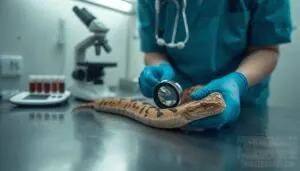
Once you spot warning signs on your snake’s skin, the next move is getting a real diagnosis, not a guess. That means a trip to a vet who actually treats reptiles, plus some lab work to identify what you’re dealing with. Here’s what that process usually looks like, from exam room to recovery.
Exotic Vet Examination
Exotic veterinarians examine posture, activity, and body condition before ever touching your snake.
They assess:
- Hydration status via skin tension
- Lesion distribution patterns
- Body condition scoring
- Signs like subcutaneous edema or translucent skin
Handling stays brief and gentle, minimizing stress while keeping your snake within its preferred temperature range throughout the exam.
Skin Cultures and Testing
Once a lesion is spotted, your vet takes a swab or scale scraping to identify the culprit. Samples go onto Sabouraud’s agar for fungal growth or standard media for bacterial cultures, with Gram staining and KOH microscopy pinpointing the organism.
This targeted approach confirms whether snake fungal disease or bacteria are at play, guiding truly targeted antibiotic selection before treatment begins.
Antifungal Medications
Not all antifungals work the same way, and matching the drug to the fungus matters.
Polyenes like amphotericin B target the fungal cell wall directly, causing it to rupture. Topical formulations treat surface lesions from snake fungal disease, while systemic delivery reaches deeper infections.
- Confirmed fungal culture required
- Topical vs systemic based on depth
- Watch for side effects
- Vet-guided dosing only
Antibiotics When Needed
Not every skin infection calls for antibiotics — bacterial vs viral distinctions matter. Your vet examines the snake physically before prescribing, since prescription dosing requires precision.
| Signs Warranting Antibiotics | Why It Matters |
|---|---|
| Spreading redness | Risk of sepsis |
| No improvement in 48-72hrs | Wrong treatment path |
| Lethargy with lesions | Systemic infection |
| Ascorbic acid deficiency | Impaired healing |
Unnecessary use fuels antibiotic resistance, so evaluating response closely protects your snake’s metabolic health long-term.
Supportive Recovery Care
Medication only targets part of the infection — recovery depends on what happens between doses.
Your vet stabilizes thermal gradient accuracy, verifies humidity by hygrometer, and prevents substrate irritation against damaged scales. Nutritional support often includes:
- Multivitamin injection for ascorbic acid deficiency
- Hydration therapy for dehydrated tissue
- Dietary supplementation to rebuild lost weight
Stress reduction matters too — a calm, quiet setup speeds healing as much as any prescription does.
Home Care During Recovery
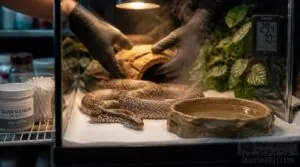
Veterinary treatment takes care of the infection itself, but recovery happens back at home, in your snake’s enclosure. Your daily habits during this period matter just as much as any medication. Here’s what you’ll need to manage while your snake heals.
Quarantine The Sick Snake
Move your sick snake into a separate enclosure the moment you spot trouble. Isolation protocols prevent cross-contamination between your ball python and healthy collection members, even when the sick animal still looks fine otherwise.
Use dedicated cleaning tools for this tank only, and wash your hands after every handling session. This limits pathogen transfer risks while your vet monitors the infection’s progress.
Correct Heat and Humidity
Once quarantined, check the new enclosure’s thermal regulation setup. Your snake needs distinct thermoregulation zones, warm and cool, verified by a digital thermometer on each side.
Confirm thermostat regulation keeps the basking spot from spiking. Use a hygrometer for humidity measurement accuracy, matching habitat parameters to your species’ habitat specificity, and maintain ventilation airflow to prevent stagnant, damp air around healing skin.
Clean, Dry Enclosure Setup
Strip disposable substrate entirely, bag it, and discard it rather than reusing it. Scrub bowls and décor with warm soapy water, then apply disinfectant for the label’s full contact time before rinsing residue away completely.
Dry porous wood thoroughly, since trapped dampness invites the same fungal and bacterial growth you’re treating. Keep airflow steady so no stagnant, moist pockets form near healing scales.
Small Frequent Meals
A clean enclosure won’t tempt a snake with anorexia; offering smaller portions more often does more for appetite recovery. Warm the food to match your basking-zone thermal trigger, since cold prey stalls digestion and appetite alike.
Frequent small offerings ease digestion load, support steadier nutrient absorption, and keep calorie intake consistent while hyporexia resolves.
Track Weight and Shedding
Numbers don’t lie, so weigh your snake weekly on a digital scale, same time, before feeding, and log each result for trend tracking.
Pair weight with body condition scoring, checking spine definition and tapering near the tail. Watch shed cycles closely: note start and completion dates, and check for retained skin around eyes or tail tip, since ecdysis complications often signal hyporexia or infection beneath the surface.
Frequently Asked Questions (FAQs)
How to help an emaciated snake?
Picture a ball python refusing food for weeks, ribs visible under dull skin.
Recovery needs veterinary diagnostics, quarantine, corrected humidity, small consistent meals, and vitamin-dusted prey to reverse hypovitaminosis C and anorexia-driven weight loss safely.
What does sepsis look like in snakes?
Sepsis presents as purplish hemorrhaging or reddish discoloration on the belly, alongside swelling, tissue breakdown, and abnormal discharge. These are systemic inflammation indicators requiring immediate exotic animal health evaluation, not localized wound care at home.
Is snakeskin skin permanent?
It depends on epidermal layer depth: shallow damage often resolves over several shedding cycles, but deep lesions cause permanent scale damage and scarring.
A ball python’s dorsal scales rarely regrow perfectly once destroyed—proper husbandry prevents that outcome entirely.
Can snakes get skin infections?
Yes. Bacterial pathogens, fungal organisms, and mite vectors all breach compromised skin layer adhesion.
Husbandry injuries from rough décor create entry points, so a ball python’s enclosure hygiene directly affects infection risk in everyday exotic pet care.
What is the early stage of snake blister disease?
Think tiny water balloons hiding under your snake’s scales—that’s early blister disease.
Fluid-filled vesicles with yellowish blister fluid appear on ventral scales, causing swelling, early scale detachment, and subcutaneous fluid accumulation before rupture, ulceration, or dysecdysis develops in reptile husbandry settings.
What are the symptoms of snake fungal disease?
Watch for crusted or ulcerated scales, facial swelling, and thickened skin from the fungal pathogen. Detecting skin ulcerations, observing tissue necrosis, and monitoring shedding patterns help you catch infection early, before subcutaneous edema or disfigurement sets in.
What does a skin infection look like on a snake?
It’s not always obvious at first glance. Look for crusted, discolored scales, redness, blister rupture with subcutaneous edema, or thickened skin texture — lesions spread fast without treatment, so a prompt physical examination matters.
What is necrotic stomatitis in snakes?
Also called mouth rot, necrotic stomatitis starts as oral inflammation and progresses to tissue death, producing yellowish caseous material. Feeding becomes painful, appetite drops, and untreated cases risk mandibular bone infection.
A physical examination by a herpetological medicine specialist catches it early.
Can SFD affect other reptiles besides snakes?
Yes. Ophidiomycosis reflects a broader reptile host range than the name suggests, with cross-species transmission possible wherever contaminated substrate persists. Non-snake vulnerability exists because O. ophiodiicola survives independently in soil, exposing any reptile sharing that microhabitat.
How long can snakes survive with untreated SFD?
Like the sword of Damocles, untreated SFD hangs over captive snakes—averaging 90 days survival, with roughly 40% mortality, though susceptible species like the Eastern massasauga face mortality rates up to 90%, depending on internal organ involvement and progression speed.
Conclusion
A snake shedding its skin is nature’s way of discarding what no longer works for the body, a quiet lesson in renewal you can apply here.
Snake skin infection and emaciation rarely resolve on their own; they demand your attention, not your hope. Watch the scales, weigh your snake, and act early.
Recovery isn’t glamorous. It’s consistent, careful husbandry paired with sound veterinary care. Do that, and your snake sheds sickness the way it sheds skin: completely.