This site is supported by our readers. We may earn a commission, at no cost to you, if you purchase through links.

A ball python that curls into a tight ball isn’t being aggressive. It’s terrified, and it’s telling you so the only way it knows how.
That small, defensive coil is why this snake earned its name, and why so many first-time owners wonder if they’re getting a good tempered pet. The ball python is a calm, curious animal with its own personality, but its mood depends heavily on what you give it. Warmth, hiding spots, and patient handling shape that temperament more than genetics alone.
Here’s how habitat, trust, and daily habits turn a nervous young snake into a relaxed companion.
Table Of Contents
Key Takeaways
- A ball python that curls into a tight ball is scared, not aggressive, so give it space and it’ll learn you’re safe.
- Your snake’s calm depends heavily on its setup, so snug hides on both ends, a steady temperature gradient, and 50 to 60 percent humidity matter as much as temperament.
- You’ll build trust by leaving a new snake alone for one to two weeks, then handling it briefly two to four times a week and waiting 48 hours after meals.
- Ball pythons suit patient, low-interaction owners, and since they can live 20 to 30 years, a gentle, consistent approach now gives you a relaxed companion for decades.
Ball Pythons Are Generally Good-Tempered Pets
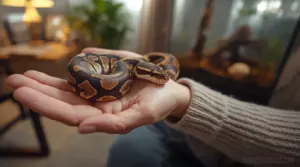
Ball pythons have a well-earned reputation as calm, easygoing snakes, and that’s good news if you want a pet you can trust.
If you’re still weighing your options, this guide to different types of constricting snakes shows how ball pythons compare with other beginner-friendly species.
Still, every snake has its own personality, and a few of them act very differently from the rest. Below, you’ll find the two points that explain what to expect from yours, starting with everyday behavior and then how to read a defensive response.
Typical Behavior and Individual Differences
Temperament varies more than most new owners expect, even among clutchmates. Typical behavior is calm and curious, but individual personality differences are real. Body language reading helps you spot what’s normal for yours:
- Hiding by day, roaming at night
- Slow, relaxed tongue flicks
- Loose, draping coils in the enclosure
- Steady appetite outside shed cycles
Curling into a tight ball is usually a defensive posture, not aggression, so a balled-up snake is signaling that it feels startled and needs space.
Handling frequency matters less than patience.
Defensive Reactions Versus Aggression
That balled-up snake isn’t being aggressive, it’s afraid. Captive-bred ball pythons rarely mean harm, and most strikes come from fear, a startle, or feeding confusion.
A coiled ball python is a frightened animal asking for space, not a threat, and most bites begin with a scare
| Signal | Meaning | Your move |
|---|---|---|
| Hissing | Fear | Back off |
| Ball curl | Stress | Give space |
| Striking | Startled | Wait calmly |
| Tongue flicks | Curiosity | Stay calm |
Respect these signals and your snake learns you’re safe, so defensiveness steadily fades.
Because your snake relies far more on scent and heat than sight, it helps to understand how well ball pythons actually see and why your calm, familiar presence matters so much.
A Secure Habitat Supports Calm Behavior
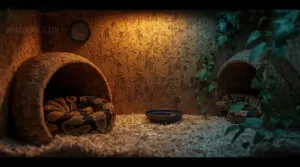
A snake that feels safe acts calmer, so a lot of what looks like temperament is really setup. Even a mellow ball python gets jumpy in a tank that leaves it exposed. A front-opening PVC enclosure in the 4x2x2 size gives your snake room to roam while holding heat and humidity steady.
Start with snug hides, one on the warm end and one on the cool end. Ball pythons like to feel pressed on all sides, so a hide that’s too roomy won’t help. Size up as your snake grows.
Keep the temperature gradient steady, with a basking spot around 88 to 96°F and a cool end near 78 to 80°F. Aim for humidity of 50 to 60 percent. Swings in either one wear a snake down.
Opaque sides on three walls and a front-opening door help too, since your snake can’t see movement outside.
Gentle Handling Builds Ball Python Confidence
Once the enclosure is dialed in, you can start building trust. Gentle handling works best when you go slowly, and that begins with leaving your snake alone.
Here’s the routine I’d follow:
- Give a new snake one to two weeks with no handling so it can settle after transport.
- Sit near the enclosure 15 to 20 minutes daily and let your snake investigate your hand inside.
- Handle two to four times a week for 5 to 15 minutes per session.
- Wait 48 hours after a meal before handling.
If your snake tucks into a defensive ball curl, set it back gently and try later. Lengthen sessions only as it relaxes. Positive and safe interaction shapes temperament more than frequency does.
Ball Pythons Suit Patient, Low-Interaction Pet Owners

You don’t have to hold your snake every day to have a bond with it. Ball pythons do best when you keep handling short and predictable, which suits busy schedules perfectly.
I’d rather see you practice patient observation than force contact. Watching your python explore at dusk teaches you its habits, and that quiet familiarity builds real closeness.
| What you give | What you get back |
|---|---|
| A quiet hide and steady routine | A snake that relaxes in your hands |
| Two short sessions each week | Trust that grows slowly |
| Respect for meal refusals | A healthy, secure companion |
That patience pays off over decades. Ball pythons can live 20 to 30 years, so a gentle approach now gives you a calm, trusting animal.
Pairing that gentle approach with the right setup matters too, and this complete ball python care guide covers the housing, temperatures, and feeding schedule that keep a snake calm for decades.
4 Ball Python Care Supplies
A calm ball python starts with the right gear, and these four products cover the basics I’d want in place first. Each one helps you keep steady temperatures, clean bedding, and a healthy snake. Here’s what I’d suggest picking up and why.
1. Mite B Gone Natural Pet Safe Mite Spray
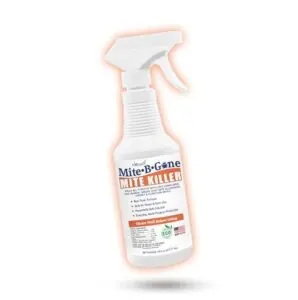
Mites can turn a calm ball python into a stressed, restless one fast. Those tiny bugs bite, irritate the skin, and leave your snake rubbing against everything in sight.
This spray is plant-based and safe around pets and children when used as directed. Mist your snake lightly, keep it away from the eyes, nose, mouth, and genital area, then let it dry. For active infestations, apply it daily.
Don’t use it on skin, and never inhale it. Some owners report brown residue, so test a small spot first.
- Plant-based formula that is safe around children and pets when used as directed
- Works in homes, farms, coops, and livestock environments
- Can be used daily, or several times a day for severe infestations
- Not for use on skin and must not be inhaled or ingested, so it should not be sprayed directly on an animal
- Some users report brown residue and stains
- Mixed feedback on drying time, with reports that the effect doesn’t last long
2. LUCKY HERP Ceramic Heat Emitter

Think of this heater as a woodstove that glows without a flame. It warms the room and never lights it up, so your snake’s night stays dark.
The 150-watt model heats up in about four minutes and gives off steady, light-free warmth you can run around the clock. It screws into a standard E26 fixture on 120 volts.
Keep it at least 30 cm away from your snake, and don’t switch it back on right after turning it off. Frequent cycling shortens its life.
- Gives off heat without visible light, so pets can sleep undisturbed at night
- Reaches its rated temperature in about 4 minutes
- Made from thick special ceramic for durability, and fits a standard E26 lamp base on 120 volts
- Must be kept at least 30 cm from reptiles to prevent overheating
- Should not be turned back on right after being switched off
- Frequent on/off cycling may shorten its lifespan and raise the risk of failure
3. Zilla Jungle Mix Terrarium Bedding
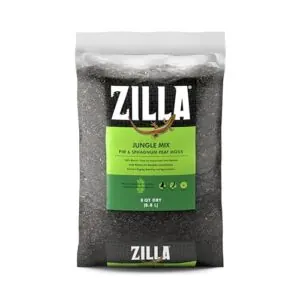
Picture your python tucked into a hide, belly pressed against cool, damp, earthy bedding that smells like a forest floor after rain. That’s what this substrate gives you. It’s a mix of peat moss and fir shavings that holds moisture well, so humidity stays steady without constant misting.
Spread it one to two inches deep, keep it damp but never soggy, and spot clean daily.
4. Etekcity Infrared Thermometer Laser Gun

A stressed snake often starts with a badly heated enclosure. Aim the Etekcity at surfaces, never at your python, and hold it close. Check these five spots:
- Basking surface
- Warm hide
- Cool hide
- Substrate
- Water dish
Readings reveal your temperature gradient, which helps calm thermoregulation. Fix cold or hot spots before handling, since comfortable snakes stay steadier in your hands.
Frequently Asked Questions (FAQs)
What do ball pythons eat and how often?
Picture a ball python coiled in the dark, waiting for a rodent to wander past. In captivity, you’ll offer appropriately sized mice or rats, fed every 5–7 days for juveniles and every 10–14 days for adults.
How much does a ball python setup cost?
The "cheap" snake is rarely cheap once it comes home. Plan on $40 to $120 for heating and a thermostat, $250 to $500 for an adult PVC enclosure, plus about $15 to $40 for substrate.
How long do ball pythons typically live in captivity?
The oldest documented ball python reached roughly 47 years in captivity.
Most live 20 to 30 years, and some pass Good temperatures, clean housing and vet care help, but no estimate guarantees any individual snake’s lifespan.
What size do adult ball pythons usually grow to?
Most adult ball pythons land somewhere between three and five feet. Females tend to be larger than the males, often reaching four or five feet, while males usually stay closer to two or three. Six feet is the maximum length.
Can ball pythons coexist with other household pets?
Mostly, no. Ball pythons are solitary animals, and cats or dogs can stress them just by staring or sniffing. Keep the enclosure secure, in a quiet room, and handle your snake away from other pets.
Do ball pythons carry diseases transmissible to humans?
Is it true that handling a ball python makes you sick? Not quite. Yes, they carry Salmonella, but hand washing with soap after touching the snake or its enclosure prevents most infections.
Conclusion
A ball python is a closed door, and your job is to be the patient hand that waits beside it. Give it warmth, snug hiding spots, and slow, steady handling, and that door opens on its own schedule.
You won’t find a ball python good tempered pet by chance; you’ll build one, day by day. Stay consistent and respect every coil. Trust grows quietly, and eventually you’ll have a calm companion who knows your hands.