This site is supported by our readers. We may earn a commission, at no cost to you, if you purchase through links.

Snakes get a bad rap, but pull up a ball python’s face and tell me that little smiling snoot isn’t adorable. More people than ever are ditching the usual cat-or-dog debate and discovering that the cutest pet snake breeds fit neatly into a studio apartment, stay quiet at 2 a.m., and won’t chew your furniture.
The trick is finding the right species. A rosy boa plodding calmly across your palm feels nothing like a western hognose dramatically playing dead on the carpet, and both experiences are completely different commitments.
Here’s what each breed actually looks like and which one fits your life.
Table Of Contents
- Key Takeaways
- 7 Cutest Pet Snake Breeds With Pictures
- Small Cute Pet Snakes for Beginners and Compact Homes
- Prettiest Pet Snake Colors, Patterns, and Morphs
- Temperament, Handling, and Defensive Behaviors by Species
- How to Choose The Cutest Pet Snake for Your Lifestyle
- Frequently Asked Questions (FAQs)
- What is the cutest snake to have as a pet?
- What is the most cuddly pet snake?
- What breed of snake is the best for a pet?
- What are the top 10 best pet snakes?
- What is the prettiest snake breed?
- What is the cutest snake breed?
- Are snakes cute pets?
- What kind of snakes make good pets?
- Are snakes cute?
- What is the smallest snake breed?
- Conclusion
Key Takeaways
- Ball pythons top the beginner list because they’re calm, slow-moving, and come in dozens of stunning color morphs — but their 30-year lifespan means you’re signing up for a decades-long commitment, not just a cool terrarium centerpiece.
- The Western hognose punches well above its size with a pig-like upturned snout and dramatic defensive theatrics (hissing, cobra-flattening, playing dead), making it the most personality-packed pick on this list.
- For small-space living, the Kenyan sand boa wins outright — it caps out around 12–18 inches, stays calm during handling, and thrives in a 20-gallon tank without needing much vertical room.
- Choosing the right pet snake comes down to five practical factors — temperament, adult size, habitat setup, feeding schedule, and lifespan commitment — and skipping any one of them is how rescues end up with surrendered ball pythons.
7 Cutest Pet Snake Breeds With Pictures
Not all snakes are built the same, and the right breed changes everything. Some are pocket-sized and low-key, others are bold explorers that love to show off. Here are seven of the cutest pet snake breeds worth knowing about.
Whether you’re drawn to tiny explorers or laid-back lap snakes, this guide to small snake breeds that stay compact for life breaks down exactly what makes each one worth considering.
Ball Python
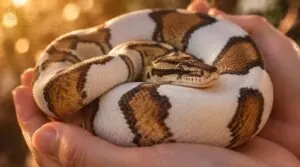
ownership feels like adopting a living stress ball. These snakes curl into a ball when nervous. It’s their defense move, and it’s adorable. As one of the most beginner-friendly options among cutest pet snake breeds, they’re calm, rarely bite, and handle well once comfortable.
Three reasons ball pythons win you over:
- Their docile temperament makes stress signals easy to read
- Color morphs like piebald and albino offer stunning variety
- A lifespan of 30 years means this bond lasts
Corn Snake
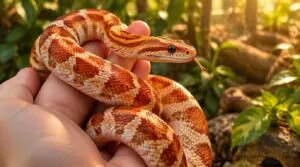
If ball pythons are the stress balls, corn snakes are the social butterflies. They’re docile, beginnerfriendly, and love exploring your hand.
| Feature | Corn Snake |
|---|---|
| Temperament | Calm, curious |
| Enclosure | 75–85°F |
| Feeding | Every 7–14 days |
Over twenty color morphs, like snow, plus glossy orange saddles, make them standouts among cutest pet snake breeds.
Western Hognose
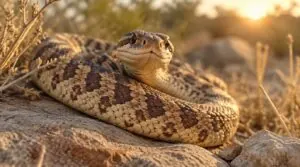
Corn snakes win the popularity contest, but the Western hognose snake steals the show. That upturned piglike nose isn’t just cute, it’s a built-in shovel for burrowing. They’re shy, beginnerfriendly, and full of personality.
When stressed, their defensive behavior is pure theater:
- Hissing like a tiny kettle
- Flattening their necks cobra-style
- Playing dead, tongue lolling, belly up
They eat amphibians, lizards, and small rodents, and they rarely bite. Don’t take the drama personally.
Their calm temperament extends to handling too — corn snake bites and defensive behavior are rarely a concern, since strikes almost never break the skin.
Kenyan Sand Boa
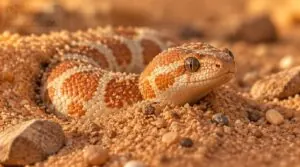
If the hognose is a drama queen, the Kenyan sand boa is a contented hermit, one of the cutest small pet snakes around.
Its wedge-shaped head and periscope eyes are built for vanishing into substrate.
| Trait | Why It’s Cute |
|---|---|
| Size | 12–16 inches |
| Look | Orange blotches |
| Habit | Burrows |
They glide in a slow rectilinear movement style and rarely form a defensive ball.
Rosy Boa
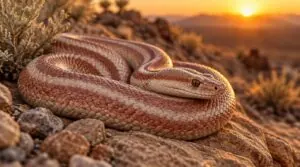
If you want a snake that practically defines chill, the rosy boa is your match. Native to the southwestern U.S. and Baja California, this docile charmer rarely tops three feet, and it moves in slow, deliberate strides that make it easy to watch and easier to handle.
As one of the cutest pet snake breeds, it earns its spot with rose-striped coloring and a gentle, forgiving temperament that suits beginner snake species seekers perfectly.
Here’s why rosy boas win hearts:
- They burrow into loose substrate to feel safe and stay cool
- Their subtle stripes are quietly gorgeous
- They’re crepuscular, so dusk brings the best action
- Meals come every 7–14 days, keeping care simple
- Lifespans often exceed 15 years, a rewarding long-term bond
Give yours a 20–40 gallon setup with hides on both the warm and cool sides, and you’ll have a laid-back companion for years.
A snug reptile hide cave on each end of the enclosure gives your rosy boa the security it needs to truly thrive.
Children’s Python
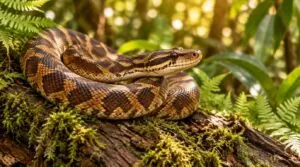
wins hearts with its streaked yellow-brown pattern and calm, curious nature. This friendly cute snake tops out near 3–4 feet; a 20-gallon tank works fine.
| Feature | Detail | Rating |
|---|---|---|
| Max size | 3–4 ft | Easy |
| Humidity | 50–60% | Simple |
| Temperament | Calm | Friendly |
| Feeding | Rodents every 7–14 days | Straightforward |
Forget the upturned nose or chubby body of other cute breeds; this one’s sleek and slender-headed.
Anthill Python
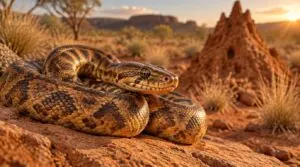
Here’s a fun fact: in the wild, these little snakes curl up inside termite mounds, borrowing the insects’ cozy architecture. Hence the name.
As one of the cutest pet snake breeds, it rarely tops 2 to 3 feet.
- Enclosure size: a 20-gallon tank
- Warm side at 85–90°F
- Humidity around 40–60%
- Juveniles eat every 5–7 days
- Calm temperament once habituated
Like the Childrens Python, it’s a great small pet snake for beginners.
Small Cute Pet Snakes for Beginners and Compact Homes
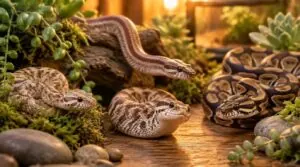
Picture a shelf in your apartment holding a tiny terrarium, warm and cozy, with a snake no longer than your forearm curled inside. That’s the magic of a compact snake setup. A small reptile terrarium starter kit gives you everything you need to turn that shelf vision into a cozy, living reality.
The kenyan sand boa tops the list for small homes. At 12–18 inches, it burrows happily in a 20-gallon tank and stays calm when handled. The western hognose brings big personality in a 2–3 foot body, though it might puff up dramatically when startled. A rosy boa is another gentle, slow-moving option that rarely exceeds three feet.
Even a ball python can work if you commit to a 40-gallon enclosure as an adult. Skip the corn snake if space is tight; it’s curious but skittish and needs more room to roam. Secure those lids with clips, spot-clean weekly, and you’re set.
Prettiest Pet Snake Colors, Patterns, and Morphs
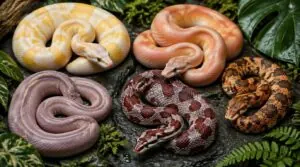
Ever wonder why snake people can’t stop taking photos of their pets? Color. Here’s where the magic lives:
- Ball python morphs like albino and piebald deliver white, yellow, and orange contrast that pops in any enclosure.
- Corn snakes in anerythristic or magnifica forms shift from purple to orange bands down the body.
- Coral glow ball pythons flash bright pinks and yellows under the right lighting.
- Kenyan sand boas grow bolder bands with age and heat, like a pattern that matures with them.
Amelanistic snakes skip black pigment entirely, so reds and creams glow. Western hognoses intensify their saddles with good hydration. And rosy boas? Some lineages show lavender and cream palettes you’ll stare at daily. Pick your palette wisely.
Temperament, Handling, and Defensive Behaviors by Species
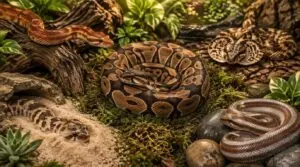
Here’s the truth: snake temperament varies wildly by species, and knowing what to expect saves you both stress and surprise bites.
| Species | Temperament | Key Defensive Behavior |
|---|---|---|
| Ball Python | Calm, handleable | Hissing, coiling |
| Corn Snake | Curious, mellow | Tail bluffing defense |
| Western Hognose | Dramatic, bluff-prone | Plays dead, flattens |
| Kenyan Sand Boa | Docile, shy | Hides or freezes |
| Rosy Boa | Slow, gentle | Rarely strikes |
Notice the hognose? It’s the theater kid of the group, famous for play dead routines after all that hissing fails.
For snake handling, keep sessions short and support the whole body. Watch for stress cues: tail flicking, head shyness, or rapid breathing. Rosy boas bounce back fast; Children’s pythons need quieter spaces. Read your snake, adjust your pace, and trust builds on both ends.
How to Choose The Cutest Pet Snake for Your Lifestyle
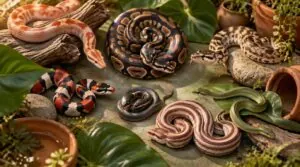
So you’ve met the seven contenders. Now it’s time to figure out which one actually fits your life, not just your heart. The five checks below will help you find your perfect match before you bring anything home.
Match Temperament
You’ll want a snake that fits your energy level. Ball pythons are famously docile and easy to handle, even for nervous beginners. Corn snakes stay confident but might hiss at sudden surprises.
If you love drama, western hognoses bluff beautifully, then retreat. Kenyan sand boas prefer quiet, gentle snake handling, while rosy boas do best with brief, infrequent sessions. Anthill pythons need predictable routines to curb defensive behavior.
Consider Adult Size
Temperament matters, but so does space. Adult size decides how much room you’ll actually need.
Ball pythons hit 3–4 feet, while corn snakes stretch to 4–6. Prefer a small pet snake? Kenyan sand boas top out around 24 inches with a chubby body that fits in compact enclosures. Rosy boas and hognoses stay equally manageable. Anthill pythons surprise people, reaching 3–5 feet despite their name.
Measure your pet snake size expectations before you buy.
Compare Habitat Needs
Picked your size? Now check if your home can handle it. Habitat requirements vary wildly.
- Ball pythons: 78–88°F, 50–60% humidity, tropical setup
- Corn snakes: dry aspen substrate, 75–85°F basking spot
- Hognoses: loose sandy substrate, 80–85°F hot side
- Sand boas: deep fine sand, minimal height
- Rosy boas: arid desert setup, 30–50% humidity
Always check these specs before committing to any snake.
Assess Feeding Habits
Habitat locked in? Good. Now check the snake feeding habits of your top picks**.
Ball pythons eat every one to two weeks and digest best in a warm enclosure. Corn snakes accept thawed rodents readily on a similar schedule. Western hognoses need feeding every five to seven days with careful prey size matching as they grow. Regularity and sizing matter.
Plan Lifespan Commitment
Because these snakes can live 20 to 30 years, your lifespan commitment isn’t something to take lightly. Ball pythons, Kenyan sand boas, and rosy boas regularly hit that range with solid snake husbandry.
Some pet snakes live 30 years — choose one only if you’re ready to commit decades
Think through your next few decades honestly. Consistent snake health care, annual vet visits, and a backup rehoming plan protect both of you when life eventually changes.
Frequently Asked Questions (FAQs)
What is the cutest snake to have as a pet?
Ask ten snake keepers, get ten different opinions. But for first time snake owners, the ball python consistently wins. It’s calm, compact, and stunning in piebald or pastel morphs. Corn snakes are a close second.
What is the most cuddly pet snake?
Around 60% of first-time reptile keepers choose the ball python. It’s docile, moves slowly, and drapes itself across your hand like it completely owns the place. Most keepers say it’s the easiest snake for handling.
What breed of snake is the best for a pet?
The theory that one breed suits every keeper? Mostly false. For beginner friendly reptiles, though, the Ball Python consistently earns that top spot through calm temperament, a predictable adult size, and genuinely forgiving care level.
What are the top 10 best pet snakes?
Ready to kick off your pet snake selection? Ball Python, Corn Snake, Western Hognose, Kenyan Sand Boa, Rosy Boa, Children’s Python, and Anthill Python are docile, manageable pet snakes that consistently top every beginner list.
What is the prettiest snake breed?
Picking the prettiest is totally objective. The ball python wins most beauty contests, its iridescent color morphs shifting like silk. Corn snakes and western hognose dazzle with bold snake coloration and glossy contrast nobody ignores.
What is the cutest snake breed?
The Western Hognose takes the crown with its upturned snout and theatrical personality. Ball Pythons and Corn Snakes follow close behind, offering docile temperaments and stunning color morphs that make any pet snake truly irresistible.
Are snakes cute pets?
Yes, pet snakes are genuinely quite cute. Ball pythons have soft, puppy-like faces, corn snakes flash cartoon-bright patterns, and the western hognose looks permanently amused. Their calm temperament during regular handling makes them surprisingly endearing.
What kind of snakes make good pets?
Like finding the right roommate, choosing pet snakes comes down to temperament. Docile, easy to handle species like ball pythons, corn snakes, and rosy boas suit most beginners. All are nonvenomous snakes with manageable lifespans.
Are snakes cute?
Honestly, a lot of people think so. Pet snakes have expressive eyes, smooth glossy scales, and a distinctly cartoonish appearance that makes them genuinely cute. The more docile breeds are especially easy to handle too.
What is the smallest snake breed?
The Barbados threadsnake makes even the Kenyan sand boa look enormous. Measuring just 4 inches long and thinner than a spaghetti noodle, it easily earns the title of smallest snake breed at just 02 ounces.
Conclusion
Reptile rescues report that ball pythons are surrendered most when owners underestimate the 30-year commitment. That single fact matters more than any Instagram morph ever will.
The cutest pet snake breeds with pictures can spark the idea, but your daily routine, your patience, and your willingness to learn seal the deal. Pick the species that fits your actual life, not just your feed. The right snake won’t just be cute. It’ll be yours.