This site is supported by our readers. We may earn a commission, at no cost to you, if you purchase through links.

Snakes hide pain better than almost any animal on the planet. By the time your ball python stops climbing or refuses a meal, something has been wrong for a while. That’s not a flaw; it’s survival instinct baked in over eons.
Most pain medications for dogs and cats can harm a reptile. Dosing, metabolism, and body temperature all change how a snake processes drugs. Knowing the safe pain relief options for pet snakes can mean the difference between helping your animal heal and making things worse.
Getting it right starts with knowing what to look for and which treatments work.
Table Of Contents
- Key Takeaways
- How to Recognize Pain in Pet Snakes
- What to Do When Pain is Suspected
- Safe Pain Relief Options for Pet Snakes
- Snake Medication Safety and Administration
- Supportive Care During Snake Recovery
- When Pain Requires Emergency Veterinary Care
- Frequently Asked Questions (FAQs)
- Is meloxicam safe for reptiles?
- What do vets give animals for pain?
- What can I do to relieve pain from a snake bite?
- How can pain be managed in reptiles?
- How can you reduce stress in a pet snake?
- How to calm a pet snake?
- How do you get rid of stress in snakes?
- Can NSAIDs be used to treat pain in reptiles?
- Do oral antibiotics work for snakes?
- What can I give my snake for pain?
- Conclusion
Key Takeaways
- Snakes instinctively hide pain until it’s advanced, so subtle changes like freezing, refusing food, or avoiding climbing are early warning signs you shouldn’t ignore.
- Never use human or dog/cat pain medications on your snake — safe options like meloxicam, tramadol, or local anesthetics require a vet’s diagnosis and species-specific dosing.
- Temperature directly affects how your snake metabolizes drugs, meaning a cold or unfed snake clears medication far more slowly and faces a higher risk of dangerous side effects.
- Supportive care — stable heat gradients, minimal handling, and consistent wound monitoring — is just as critical as medication in your snake’s recovery.
How to Recognize Pain in Pet Snakes

Spotting pain in snakes is tricky because they’re masters at hiding it. That’s pure survival instinct, not deception. But once you know the key pain indicators, the behavioral changes become surprisingly readable.
Once you can recognize those subtle shifts in posture or movement, resources like signs your snake is in severe pain help you match what you’re seeing to specific warning patterns.
Watch your snake’s posture first. A healthy snake moves fluidly and explores its enclosure with natural curiosity. Pain changes all of that. You’ll notice abnormal crouching or tensing, reluctance to lift the head, or long bouts of staying completely still. That "freezing" behavior is a real red flag in pain recognition.
Snake pain symptoms also show up in breathing. Labored, visible effort with each breath or persistent open-mouth gaping signals clear distress. Reduced tongue-flicking, feeding refusal, and avoiding favorite climbing spots are quieter behavioral pain indicators worth watching.
What to Do When Pain is Suspected

Once you’ve spotted those behavioral pain indicators, the next move isn’t to panic or reach straight for the medicine cabinet. Resist that urge. Breathe first.
Stop handling immediately. Movement increases stress and can worsen whatever’s causing the pain. Place your snake in a calm, stable enclosure with a consistent temperature. Low stimulation is your friend right now. A low-stimulation snake habitat enclosure with secure ventilation and steady heat retention gives your snake the stable recovery environment it needs right now.
Then inspect. Look for visible wounds, swelling, asymmetry, or pressure marks. Pain recognition means tracing it to a source, whether that’s retained shed, a burn, or a fracture.
Don’t attempt clinical reptile care using human medications. Many are toxic to snakes. Reptile analgesia requires veterinary oversight, not guesswork. Your job right now is to observe, stabilize, and document before you make that call.
Safe Pain Relief Options for Pet Snakes
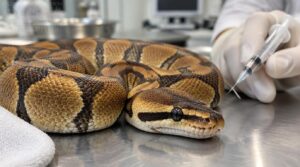
As far as actual pain relief goes, your options are more limited than you’d think. Reptile pharmacology is still catching up, and not every drug that works in dogs or cats translates to snakes. That said, there are three legitimate categories your vet may consider.
Prescription Opioids
Your vet might prescribe tramadol after your snake’s surgery. Opioids for analgesia can help, but reptile pharmacology makes this complicated.
Understanding reptile-safe pain relief options for snakes can help you ask better questions before your pet’s procedure and recognize warning signs during recovery.
- Drug metabolism in ectotherms is slow
- Reptile drug dosing is weight-based
- Oral routes risk poor absorption
- Potential side effects include respiratory depression
Never self-prescribe. Your vet calculates doses based on exact body weight and monitors for any dangerous side effects.
Reptile-Safe NSAIDs
Nonsteroidal antiinflammatory drugs like meloxicam are another option your vet might suggest after surgery. The catch? Reptile-safe dosing isn’t universal. What works for a ball python may not suit a corn snake. Your vet picks the right drug, correct dosage, and frequency for your specific animal.
Dehydration makes these drugs far more dangerous, so keeping your snake well-hydrated isn’t optional.
Local Anesthetics
Precision matters with local anesthetics. A vet uses local anesthesia for snake injury treatment, numbing just the target area. Wounds absorb drugs fast, and small snakes don’t have much dosing margin.
Watch for these toxicity signs:
- Tremors or agitation
- Breathing changes
- Sudden lethargy
Reptile anesthesia and anesthetic protocols work differently than in mammals, so always defer to your herp vet.
Snake Medication Safety and Administration
Before giving your snake anything for pain, administration under guidance from a reptile vet isn’t optional. Dosing depends on species and weight, so what’s safe for a ball python could be toxic for another.
Correct dosage and frequency matter enormously. Snake metabolism shifts with temperature, feeding state, and hydration. A cold, unfed snake clears drugs far more slowly.
| Drug Type | Route | Key Risk |
|---|---|---|
| Opioids | IM/SC | Respiratory depression |
| NSAIDs | IM | Renal toxicity |
| Local anesthetic | SC | Volume limits |
| Sedatives | IM | Additive depression |
| Antibiotics | IM/SC | Site rotation needed |
Medication safety means choosing the right route, too. Oral dosing risks aspiration in snakes. Most safe pain relief comes via injection anyway, so always practice snake transport safety on the way to your vet appointment.
Supportive Care During Snake Recovery

Pain relief is only part of the recovery picture. Supportive care at home can make a real difference in how quickly your snake bounces back. Here are three key areas to focus on.
Proper Temperature Gradient
Think of your temperature gradient as medicine your snake self-administers. A recovering snake needs a warm basking zone and a cooler retreat to support natural temperature regulation. Without that range, thermal stimulus becomes an environmental stressor rather than a real healing tool.
Check both zones daily with a thermometer. Your recovery environment is a key part of the treatment plan.
A reptile infrared thermometer gun lets you check surface temps instantly without disturbing your snake’s rest.
Gentle Handling and Transport
One snake I saw last year had abrasions from riding loose in a pillowcase. Don’t let that happen.
- Use a secure, escape-proof carrier with ventilation
- Keep the environment calm and minimize noise
- Support the full body during gentle handling techniques
- Maintain a temperature gradient even on short trips
- Keep handling time short
Less contact means less stress and faster recovery.
Wound Monitoring
Your snake’s wound tells a story every day. Check it consistently, same angle, same lighting, so you can actually spot changes. Keeping the enclosure’s temperature and humidity steady with a reliable digital thermometer and hygrometer gives wounds the consistent conditions they need to heal.
Look for new discharge or odor, swelling that spreads rather than shrinks, or edges that seem to widen. Those are clear red flags.
Darkening tissue means healing has stalled. If it looks worse after two days, call your vet.
When Pain Requires Emergency Veterinary Care

Not every snake emergency announces itself dramatically. Sometimes, a subtle shift is all you get before things go sideways.
Snake emergencies rarely announce themselves — sometimes a subtle shift is all you get
Watch for these critical emergency warning signs:
- Open-mouth breathing or rapid, labored respiration
- Repeated seizures or continuous abnormal muscle activity
- Wounds with thick, foul-smelling discharge or spreading swelling
- Severe lethargy with inability to right itself
- Sudden posture changes following head or neck trauma
These signs point to situations where immediate veterinary attention from a reptile vet is the only right call. Delays in snake trauma management can turn something treatable into something fatal, fast.
If your snake declines rapidly over just a few hours, that sudden drop is your signal to call a vet. Snake welfare depends on you moving fast.
Frequently Asked Questions (FAQs)
Is meloxicam safe for reptiles?
Want good news? Yes, meloxicam is generally safe for reptiles at standard doses. It’s actually the most studied NSAID in reptile pharmacology, with minimal adverse effects reported, making it a reliable pain management choice overall.
According to veterinary references, meloxicam dosing in reptiles is usually administered at 1–4 mg/kg IV/IM/SC every 24–48 hours and is indicated for most reptile species.
What do vets give animals for pain?
Ever wonder what’s actually in a vet’s pain toolkit? For reptile analgesia, vets usually reach for opioids, NSAIDs, or local anesthetics, sometimes combining all three for better pain management in reptiles with fewer side effects.
What can I do to relieve pain from a snake bite?
After a bite, keep your snake warm and calm. Don’t give any pain relief medications at home. Contact an exotic vet right away, as all safe pain relief options require professional diagnosis and proper dosing.
How can pain be managed in reptiles?
Managing reptile pain takes a layered approach: reptile pain assessment first, then safe pain relief options from your exotic vet, plus supportive care. For pet snakes, that means proper temps, minimal handling, and vet-prescribed medication.
How can you reduce stress in a pet snake?
Your snake’s stress response drops when you offer two secure hides, a stable temperature gradient, and a calm environment. Don’t rush handling, and give brand new snakes at least two to four weeks to settle.
How to calm a pet snake?
It might sound boring, but predictability is your pet’s best friend. Provide two secure hides, maintain a stable temperature gradient, and avoid loud noise.
Always approach from the side, and keep your handling sessions short.
How do you get rid of stress in snakes?
You reduce stress by giving your snake a calm environment: snug hides on both temperature zones, covered glass, quiet surroundings, and steady light cycles. Pause handling for two weeks, feed privately at night, and watch for stress indicators.
Can NSAIDs be used to treat pain in reptiles?
Yes, but only under veterinary supervision. Reptile pharmacology differs from mammals, so drugs like meloxicam or ketoprofen need species-specific dosing. Poor hydration or kidney issues raise risk, so your vet must examine your snake first.
Do oral antibiotics work for snakes?
Picture a ball python with a reptile wound infection: your vet likely gives injectable antibiotics, not pills. Oral antibiotics rarely work well for snakes because absorption is slow and unreliable, so they’re reserved for gut infections or specific drugs.
What can I give my snake for pain?
Your snake needs vet-prescribed pain relief only. Safe options include buprenorphine injections, oral tramadol, or meloxicam for swelling and inflammation. Never give human painkillers. A vet picks the right drug based on species and weight.
Conclusion
Yes, vet visits feel intimidating, and reptile medicine can sound complicated. But recognizing pain early and knowing the safe pain relief options for pet snakes means you’re already well ahead of most owners.
Snakes simply don’t broadcast sickness. When something finally shows, it’s been building longer than you’d think. Lean on your vet, keep temperatures steady, and watch closely. Your snake can’t ask for help. You’re here, paying attention, and that’s exactly what they need.