This site is supported by our readers. We may earn a commission, at no cost to you, if you purchase through links.
At first, a snake bite can look deceptively small: two pinpricks or a scratch on your ankle. The danger may move beneath skin before wound looks dramatic.
Within minutes, burning pain, warmth, and swelling can signal venom at work. Tingling lips, drooping eyelids, vomiting, or weakness mean the problem has moved beyond the bite site. Call 911 now for any suspected bite.
Don’t waste time trying to identify the snake. Treat unknown bites as emergencies, keep still, remove rings or tight clothing, and watch for snake bite warning signs. Breathing trouble, confusion, dark urine, or uncontrolled bleeding demand immediate action.
Table Of Contents
- Key Takeaways
- Early Snake Bite Warning Signs
- Neurological and Whole-Body Symptoms
- Severe Snake Bite Danger Signs
- Venomous Vs. Nonvenomous Bite Clues
- What to Do After Warning Signs Appear
- Frequently Asked Questions (FAQs)
- How do I tell if I have been bitten by a snake?
- What is the 20 minute test for snake bite?
- How long after a snake bite will you show symptoms?
- Can you be bitten by a snake and not realize it?
- What are the first signs of a snake bite?
- What are the 7 principles of snake bite management?
- Where on the body are snake bites most common?
- What are the symptoms of a silent killer snake bite?
- How is antivenom administered in a hospital setting?
- Who faces the highest risk of serious snake bites?
- Conclusion
Key Takeaways
- Swelling that climbs up your limb within 30 minutes, paired with burning pain, means venom is actively spreading — call 911 now, don’t wait for it to worsen.
- Neurological signs like drooping eyelids, tingling near your mouth, or sudden muscle weakness signal nerve damage that can escalate to paralysis within minutes.
- You can’t reliably tell a venomous bite from a nonvenomous one by looking at the wound — fang marks, scratch patterns, and snake appearance all mislead, so treat every unknown bite as a medical emergency.
- Never cut the wound, suction the bite, or apply ice — these outdated responses cause additional harm and waste the critical time you need to get to antivenom care.
Early Snake Bite Warning Signs
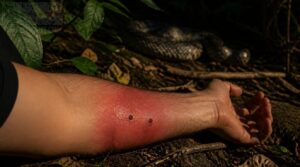
Your body reacts to a venomous bite fast — sometimes within seconds. Knowing what to look for in those first few minutes can be the difference between getting help in time and waiting too long. Here are the early warning signs you need to recognize.
For immediate steps after a bite, review this guide to snake wound care at home while arranging emergency medical help.
A venomous snakebite can trigger warning signs within seconds, so recognizing them quickly can save precious time
Puncture Marks or Scratches
What you see on your skin can fool you. A venomous snake may leave two distinct fang marks or two deep puncture marks about 0.5 to 2 cm apart. Fang penetration depth, puncture mark size, and fang mark patterns all vary by species and bite angle. Nonvenomous bites look like tiny curved scratches. Don’t diagnose by appearance alone.
Venomous bites often produce intense pain and swelling alongside systemic symptoms like nausea, shallow breathing, and muscle weakness.
Burning or Throbbing Pain
The pain tells you what the puncture marks can’t. Venom enzymes attack tissue immediately, producing burning pain that feels like chemical heat spreading from the bite. Throbbing pain follows, often pulsing up your limb as venom absorbs through the lymphatic system.
Swelling within 30 minutes paired with severe pain is a red flag. That combination signals active envenomation. Call 911.
Redness, Warmth, and Swelling
That burning pain signals a visible reaction. Redness and warmth emerge within minutes as blood vessels dilate and flood the bite site. Your skin becomes hot and visibly inflamed.
Swelling within 30 minutes confirms active envenomation. Do a swelling assessment now:
- The area turns red and radiates heat
- Progressive swelling climbs up the limb
- Tissue feels increasingly tight and puffy
Bleeding, Bruising, or Blistering
The skin tells you more than the wound alone. Bleeding or bruising around the bite marks signals that venom is breaking down tissue. Watch for petechiae, tiny red pinpoint spots, or spreading purple patches beneath the skin.
Blistered skin may appear within hours, the surface turning shiny and taut from progressive swelling. Keep the wound clean, and don’t pop blisters.
Swelling Spreading Upward
Mark the swelling after a snake bite with a pen every 15 minutes. Swelling that spreads upward, climbing from your ankle to knee or wrist to elbow, means venom is advancing through tissue. This is one of the most urgent progressive symptoms of snake bites.
Swelling that spreads quickly won’t stop alone. Apply limb immobilization and call 911 now.
Neurological and Whole-Body Symptoms
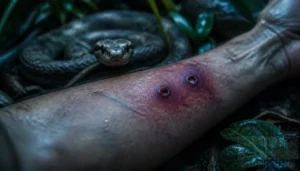
When venom enters your bloodstream, the effects don’t stay local for long. Neurotoxic and systemic symptoms can develop within minutes — and they’re often the clearest signal that something serious is happening. Watch for these warning signs across your body:
Tingling or Spreading Numbness
Tingling or spreading numbness, called paresthesia, can appear within 15 minutes of a neurotoxic bite. It often starts right at the bite site, then moves toward your face, lips, or tongue.
That pattern warns your nervous system is under attack. Don’t dismiss it as shock or just anxiety.
Review these safe snake-approach guidelines rather than relying on head shape or pupil appearance alone.
Numbness near your mouth means venom is spreading fast. Call 911 immediately.
Muscle Weakness or Twitching
Muscle twitching after a snakebite signals nerve damage. Those fine rippling contractions under your skin are fasciculations, an early neurotoxic warning.
Watch for:
- Muscle weakness in your hands, legs, or face
- Burning pain spreading from the bite site
- Tingling that spreads toward your mouth
- Sudden grip loss or blurred vision
Act now. Weakness progresses fast without antivenom.
Drooping Eyelids or Blurred Vision
Drooping eyelids or blurred vision after a bite can signal venom affecting nerve-to-muscle control. Don’t wait for symptoms to “settle.” Double vision, worsening ocular symptoms, or vision loss need emergency care now.
| Sign | What you notice | Action |
|---|---|---|
| Ptosis | Upper lid falls | Call 911 |
| Blur | Focus fades | Stay still |
| Double vision | Images split | Emergency care |
| Vision loss | Sight dims | Call 911 |
Nausea, Vomiting, or Abdominal Pain
Nausea after a snake bite can be an early sign that venom is affecting your body. Vomiting may begin within 30 minutes or several hours. Don’t dismiss it as fear or heat.
Abdominal pain may feel diffuse, crampy, or severe. Repeated vomiting, worsening nausea, or pain with swelling or weakness means call 911 now. Stay still, avoid food and drink, and prepare for urgent treatment.
Sweating or Excessive Salivation
Sweating or excessive salivation after a snake bite can signal venom affecting automatic body functions. You may become drenched at rest, drool, spit often, or feel saliva pooling in your mouth.
These Symptoms can worsen quickly if swallowing becomes weak. Keep still, turn onto your side if vomiting or drooling, and call 911. Don’t eat or drink. This is a Snake Bite Warning Sign requiring urgent First Aid.
Severe Snake Bite Danger Signs
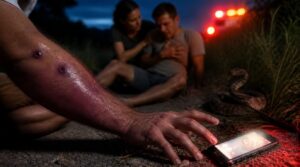
Severe symptoms can mean venom is affecting your breathing, circulation, or brain. Call 911 now if you notice any of these changes—don’t wait to see whether they pass. Watch for the following danger signs:
Difficulty Breathing or Swallowing
If you develop difficulty breathing after a snake bite, call 911 now. Don’t drive yourself or wait to see whether it passes.
New throat tightness, choking, drooling, noisy breaths, or difficulty swallowing can mean venom is affecting airway muscles or causing swelling. Neurotoxic venom may trigger respiratory paralysis, meaning the muscles that move air gradually stop working.
Keep still. Lie on your side if saliva pools or vomiting occurs. Breathing trouble can worsen quickly. You need emergency airway support and antivenom when indicated.
Rapid Heartbeat or Weak Pulse
A rapid heart rate or racing pulse after a snake bite can signal venom effects, pain, bleeding, or signs of shock. A weak pulse may feel faint, thready, or hard to find at the wrist.
Call 911 now. Don’t stand or walk. Keep still and lie flat unless difficulty breathing makes that worse. Emergency teams must monitor blood pressure, heart rhythm, and circulation immediately.
Fainting, Confusion, or Seizures
If your pulse becomes weak, you may faint as venom disrupts circulation. Confusion, vision loss, or drooping eyelids can signal dangerous nervous-system effects. Jerking after collapse may resemble a seizure, but fainting can also cause brief convulsive movements.
Call 911 now. Keep the person on their side, time the episode, protect their head, and never place anything in their mouth.
Uncontrolled Bleeding or Dark Urine
After collapse or confusion, watch for bleeding that won’t stop. Hemotoxic venom can trigger Blood Clotting Disorders, causing bleeding or bruising from gums, punctures, IV sites, or under the skin. Dark urine, red, brown, or cola-colored, may signal blood or muscle breakdown.
Call 911 now. Coagulopathy Management requires urgent hospital blood tests, antivenom, and monitoring. Don’t wait for pain.
Facial Swelling, Hives, or Shock
When your lips, face, tongue, or throat swell after a bite, treat it as an allergic reaction. Hives, itchy welts that move or spread, can appear with facial swelling.
Call 911 now for signs of shock: dizziness, fainting, confusion, clammy skin, or a weak pulse. Anaphylaxis can close your airway and drop blood pressure within minutes. Don’t drive yourself. Stay still.
Venomous Vs. Nonvenomous Bite Clues
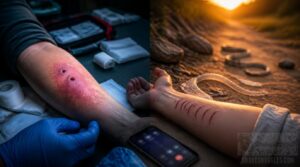
It’s not always possible to tell whether a snakebite is venomous by looking at the wound. Don’t wait for certainty if symptoms are changing or the snake can’t be identified. Watch for these clues, then seek urgent medical care for any suspected venomous bite.
Fang Marks Are Not Definitive
Fang Marks do not prove venom entered your body. A bite may leave scratches, one puncture, or several; many venomous bites cause no clear paired holes. Dry bites inject no venom.
| Finding | What it means | Action |
|---|---|---|
| Two punctures | Bite location | First Aid |
| No marks | Risk remains | Watch Symptoms |
| Any bite | Uncertain danger | Seek Immediate Medical Attention |
Don’t risk Identifying the Snake yourself. Take a photo safely.
Rapidly Worsening Pain and Swelling
Rapidly worsening pain and swelling signal dangerous symptom progression. Swelling that spreads quickly, with bruising evolution from red to purple, points toward venom. These progressive symptoms of snake bites need emergency assessment. Mark the edge, note the time, and keep still.
| Change | See | Meaning |
|---|---|---|
| Pain | Worse | Venom spread |
| Swelling | Rising | Severe risk |
| Bruising | Blisters | Tissue injury |
Don’t wait for certainty.
Progressive Neurological Symptoms
Drooping eyelids can be the first clue that venom is affecting nerves. Tingling that spreads, blurred vision, slurred speech, or new muscle weakness are emergency signs.
| See | What it can mean |
|---|---|
| Ptosis | Cranial nerve weakness |
| Double vision | Eye-muscle paralysis |
| Trouble swallowing | Bulbar weakness |
| Breathing trouble or seizures | Critical emergency |
Call 911 now. Keep still; paralysis can descend quickly within minutes.
Snake Appearance Can Mislead
Snake Appearance Can Mislead. A venomous snake may look ordinary, while harmless species can mimic dangerous markings. Pit vipers may appear dark or patterned. Coral snakes vary by region. Vertical pupils are hard to see.
| Clue | Why it fails | Safer view |
|---|---|---|
| Head shape | Angles distort it | Don’t rely on it |
| Color bands | Patterns overlap | Photos can mislead |
| Size | Small snakes carry venom | Judge symptoms |
Treat Unknown Bites Seriously
Treat unknown bites seriously. Seek immediate medical attention, even if pain seems mild. Venom effects can build over minutes to hours.
| Do | Don’t | Why |
|---|---|---|
| Immobilize the limb | Use a tourniquet | Limits venom spread |
| Clean the wound | Cut or suction | Prevents added injury |
| Remove rings | Apply ice | Swelling can escalate |
Keep still. Call 911.
What to Do After Warning Signs Appear
If warning signs appear, treat the bite as a medical emergency. Fast, calm action can limit complications while help is on the way. Take these steps now:
Seek Emergency Medical Care
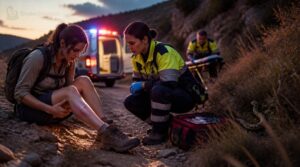
Call 911 or your local emergency number at the first signs of a snake bite.
Seek emergency medical help if pain, swelling, bleeding, weakness, or numbness appears, or symptoms worsen. Go to an emergency department when unsure. Signs of shock or fainting demand immediate transport by EMS.
The 7 principles of snake bite management begin with prompt recognition and assessment.
Stay Calm and Limit Movement

While waiting for EMS, remain calm and lie or sit still. Movement can speed venom through lymph channels. Don’t walk unless danger makes it unavoidable.
- Stop moving.
- Keep the bitten limb still.
- Breathe slowly.
- Wash the wound gently.
- Seek emergency medical help.
Limit movement, remove tight clothing, and focus on your breathing.
Remove Jewelry and Tight Clothing

Once you’re still, remove tight clothing and anything that may trap swelling. Jewelry constriction can cut off circulation within minutes. Keep the limb still, complete gentle wound cleansing, and seek emergency medical help. Don’t pull stuck items forcefully; tell paramedics so they can remove them safely.
| Remove now | Why |
|---|---|
| Rings, watches | Swelling |
| Boots, socks | Pressure |
| Gloves, bracelets | Circulation |
| Belts, waistbands | Access |
Avoid Cutting, Suction, and Ice
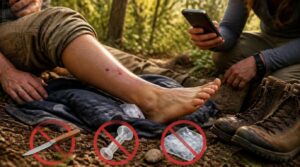
After removing rings and tight clothing, keep the skin intact. For First Aid for Snake Bites, avoid cutting, suction, and ice. These actions worsen injury and waste time.
- Don’t cut fang marks. Blades cause bleeding, infection, nerve, or tendon damage.
- Don’t suck venom. Mouth suction removes little venom.
- Don’t use extractors. They don’t meaningfully help.
- Don’t apply ice. Cold damages tissue in Venomous Snake Bites.
Expect Monitoring and Possible Antivenom

At hospital, symptoms may worsen hours after a bite. Medical supervision tracks breathing, pulse, swelling, bleeding, and symptom persistence.
| What clinicians watch | Why it matters |
|---|---|
| Spreading swelling | Signals tissue injury |
| Weakness or bleeding | May require antivenom |
| Repeat tests | Guides dosage adjustment |
Emergency medical services bring you to antivenom care. Staff retest, adjust dosage, and treat reactions. Don’t leave early.
Frequently Asked Questions (FAQs)
How do I tell if I have been bitten by a snake?
A bite can leave a calling card: fang marks or scratches, with pain and redness at the bite site. Watch for swelling after snake bite, nausea after snake bite, or difficulty breathing. Call 911 immediately.
What is the 20 minute test for snake bite?
The 20-minute clotting test checks whether 2 mL of blood clots in glass. If not, venom-related coagulopathy may need antivenom. Repeat every six hours. It guides first aid for snake bites and monitoring venom spread.
How long after a snake bite will you show symptoms?
The idea that symptoms always start immediately is unsafe. Many begin within an hour, but delayed symptom onset can occur for six hours or longer. If symptoms worsen, seek emergency care; the antivenom window matters.
Can you be bitten by a snake and not realize it?
Yes. A Silent killer snake bite may feel like a scratch or be a dry bite. Delayed symptom onset can bring paresthesia, swelling, or weakness hours later, despite a low pain scale. Call 911 immediately.
What are the first signs of a snake bite?
Look for fang marks, localized bleeding, and sudden burning pain. Within minutes to an hour, redness, warmth, and swelling may develop. Nausea, tingling, or worsening pain can signal venom. Call 911 now.
What are the 7 principles of snake bite management?
Seven principles: stay calm, use limb immobilization technique, remove tight items, avoid cutting or suction, seek immediate medical attention, support breathing and circulation, and allow wound care management with administration of antivenom under supervision.
Following these steps—especially keeping the bitten limb still and getting to a hospital quickly—gives you the best chance of a full recovery, and reviewing snake bite prevention measures before you hike can help you avoid trouble in the first place.
Where on the body are snake bites most common?
Snake encounters often strike where you step or reach: feet and ankles most often, then hands and fingers. Check for puncture wounds, fang marks, or localized bleeding after any contact, and seek urgent medical care.
What are the symptoms of a silent killer snake bite?
Coral snakes deliver a silent killer snake bite with barely any immediate sign. No burning pain, no visible swelling at first. Hours later, blurred vision, muscle weakness, and difficulty breathing arrive without warning. Call
How is antivenom administered in a hospital setting?
Think of it as a controlled flood: antivenom administered through IV infusion, with 4-6 vials diluted in saline over 1-2 hours. Antivenom therapy pairs supportive care while the emergency medical response team monitors for reactions.
Who faces the highest risk of serious snake bites?
Rural workers and agricultural laborers face the greatest danger. Poor communities with limited healthcare access compound the risk. Outdoor enthusiasts and elderly individuals without proper footwear or quick access to care are also highly vulnerable.
Conclusion
In 2023, a hiker survived a copperhead strike because her hiking partner knew exactly what to watch for. Snake bite warning signs like rapid swelling and spreading numbness triggered an immediate 911 call. That single call saved her hand.
Your body signals danger fast, and those signals simply won’t wait for you to feel ready. Don’t wait to act. Stay calm, stay still, and get yourself to a hospital. Every minute of hesitation costs you.