This site is supported by our readers. We may earn a commission, at no cost to you, if you purchase through links.

A pet store employee once told a client to feed her bearded dragon the same frozen mice she sold for ball pythons. Within months, that dragon’s liver enzymes spiked and its waistline ballooned past healthy limits. It’s a mistake I see more often than you’d think.
Snake food for bearded dragons isn’t a simple swap, even though both reptiles eat live prey. Their organs process fat, protein, and phosphorus in different ways, and what fuels a python can quietly damage a dragon’s kidneys and liver.
Some rodent prey does have a place in a dragon’s diet, but only under specific conditions. Knowing when, and what to feed instead, makes the difference between a thriving dragon and a sick one.
Table Of Contents
- Key Takeaways
- Can Bearded Dragons Eat Snake Food?
- Snake Food Risks for Bearded Dragons
- Pinky Mice as Occasional Treats
- Better Foods Than Snake Food
- Feeding by Bearded Dragon Age
- Supplements With Any Feeder Prey
- Frequently Asked Questions (FAQs)
- What is the best food for bearded dragons?
- What is the most common cause of death in bearded dragons?
- Is snake plant safe for bearded dragons?
- What is a live prey for bearded dragons?
- How do bearded dragons eat?
- Do bearded dragons eat acid?
- Do bearded dragons eat salad?
- Can bearded dragons eat fruit?
- Can bearded dragons eat bugs?
- Can bearded dragons eat frozen vegetables?
- Conclusion
Key Takeaways
- Snake food is built for obligate carnivores, so feeding rodents to your bearded dragon regularly can cause obesity, gout, liver strain, and dangerous calcium-phosphorus imbalances.
- If you do offer a pinky mouse, reserve it strictly for adult dragons, cap it at once a month, and choose newborn-sized pinkies to avoid impaction risks.
- Your dragon’s daily diet should center on gut-loaded insects like crickets and dubia roaches, leafy greens such as collard and dandelion, and only limited fruit.
- Pair every meal with proper supplementation, including calcium with D3, weekly multivitamin dusting, and adequate UVB exposure, since none of these work effectively without the others.
Can Bearded Dragons Eat Snake Food?
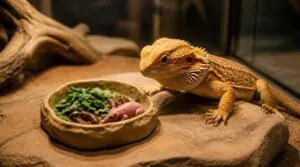
Snake food" isn’t one single thing, and that distinction matters for your dragon’s safety. Some items marketed for snakes can work for bearded dragons, while others pose real risks. Here’s what you need to know before sharing anything from the snake aisle.
Before you toss in that frozen pinky or feeder insect meant for a snake, brush up on reptile health care basics to understand how your dragon’s nutritional needs differ.
What Snake Food Means
What does "snake food" actually mean? It’s a catch-all term for prey matched to a snake’s biological feeding needs — usually rodents, sized for swallowing whole. That’s a species diet translation problem for dragon owners.
Bearded dragons aren’t built for that. Their digestive systems evolved around invertebrate prey and plants, not the consumable form delivery snakes rely on for rodent-based meals. Since snakes are classified as carnivores, their meat-based diets are fundamentally different from those of reptiles like bearded dragons.
Safe Versus Unsafe Options
Not every prey item labeled "snake food" is automatically off-limits, but most are. Safe choices match your dragon’s mouth size, come from controlled feeder sources, and are gut-loaded for nutrient density. Unsafe options include:
- Wild-caught prey carrying parasites or pesticides
- Oversized rodents risking choking
- Ungut-loaded insects causing nutritional deficiencies
- Generic rodent mixes
- Contaminated or unwashed feeders
Why Species Diets Differ
Snakes and bearded dragons evolved along very different paths, and their digestive systems reflect that. Snakes are obligate carnivores built to process whole prey; dragons are omnivores requiring balanced plant and insect intake.
Their gut anatomy prioritizes fiber and varied nutrients, not concentrated fat and protein. Feeding snake-formulated prey ignores this species-specific nutrition, risking deficiencies and disrupting natural foraging instincts dragons rely on daily.
When It Might Be Appropriate
A reasonable question is whether any "snake food" product ever fits into a dragon’s plan. The honest answer: rarely, and only as an adult dietary exception.
- Underweight recovery boosts
- Post-laying calorie needs
- Occasional protein treats
- Controlled nutrient spikes
- Confirmed ingredient labeling
Outside these, stick with proper live feeder insects and greens for daily reptile nutrition.
Snake Food Risks for Bearded Dragons

Snake food might look like an easy shortcut, but your dragon’s body pays the price. Several specific health problems show up when these prey items become a regular part of the diet. Here’s what you need to watch for.
Obesity and Fat Overload
A pinky mouse looks small, but its fat content hits a bearded dragon’s system hard. Regular feeding pushes energy intake past what your dragon burns, building internal organ fat alongside visible weight gain.
| Effect | Result |
|---|---|
| Lipid overload | Inflammatory signaling cycles |
| Reduced movement | Metabolic flexibility loss |
Activity level decline follows, making proper bearded dragon nutritional needs harder to meet through normal dietary requirements.
That’s why a well-chosen reptile vitamin supplement for carnivorous species can help fill the gaps when natural foraging and appetite start to slow down.
Impaction From Large Prey
Try swallowing a sandwich whole, and you’ll get the idea. Mice carry mass your dragon’s mouth wasn’t built for, creating jaw lodging risks and esophageal friction during each swallow attempt.
A mouse is like a sandwich swallowed whole—too much mass for a dragon’s mouth, risking jaw lodging and esophageal friction
Once down, oversized prey items can cause gastrointestinal blockage, slowing stool production. Watch for post-blockage feeding refusal—a clear sign your bearded dragon’s digestive work increase has crossed into real trouble.
Gout and Liver Strain
Beyond mechanical risks, frequent rodent feeding hits your dragon’s chemistry. High-protein, high-fat prey drives uric acid buildup, straining kidney filtration and elevating liver enzyme markers like ALT and AST.
This connects to metabolic syndrome links and hepatic fat accumulation seen in reptile nutrition research:
- Recurring gout flares
- Rising liver enzymes
- Reduced kidney filtration health
Proper nutrition means treating mice as rare exceptions, not staples.
Nutritional Imbalance Concerns
A mouse-heavy diet throws off far more than waistlines. Rodent prey skews calcium-phosphorus ratios unfavorably, since mice carry high phosphorus with little calcium to balance it, undermining calcium supplementation efforts and raising Metabolic Bone Disease risk.
It also creates protein-energy errors and micronutrient gaps that named insects and greens cover better. Dietary diversity, not rodent reliance, is key to sound reptile nutrition.
Baby Dragon Feeding Dangers
Hatchling bearded dragons face the steepest consequences from snake food mistakes. Their small mouths make prey sizing risks especially dangerous, while feeding competition stress and digestive irritation hit harder during this fragile growth window.
Pathogen contamination poses extra danger to developing immune systems. Combined with nutritional imbalances, these factors threaten healthy bone development—proper husbandry means preventing metabolic bone disease early, since juvenile and adult bearded dragon feed should never include snake food formulated for entirely different species.
Pinky Mice as Occasional Treats

Not every piece of snake food deserves a flat-out ban, and pinky mice are the exception worth understanding. Used correctly, they offer a real nutritional benefit without the risks tied to regular feeding. Here’s what determines whether a pinky mouse belongs in your dragon’s bowl at all.
Adult Dragons Only
A pinky mouse has no place in a juvenile’s feeding plan, full stop. Their skeletal systems and digestive tracts simply aren’t ready for that kind of fat or bone density.
This is strictly an adult dragon treat, reserved for animals with mature, fully developed organ function. Babies and juveniles face real impaction risk, so stick to appropriately sized live feeder insects until your dragon reaches adulthood.
Once Monthly Maximum
Even with adult dragons cleared for pinky mice, frequency still matters. Once a month is the cap—no exceptions for "just a little extra."
This keeps calorie management in check and prevents digestive strain from fat-heavy prey.
- Track weight monitoring indicators monthly
- Watch belly and tail thickness
- Skip feedings if weight climbs fast
- Balance nutritional tradeoffs carefully
- Maintain portion size control always
Best for Underweight Dragons
A dragon recovering from significant weight loss can benefit from the calorie density pinkies offer, but they’re a supplement, not a fix. Lean on calorie-dense feeders like dubia roaches and gut-loaded crickets for daily macro-nutrient variety, plus hornworms for hydration.
| Feeder | Benefit | Use Case |
|---|---|---|
| Pinky mouse | High fat | Monthly boost |
| Dubia roach | Lean protein | Daily staple |
| Hornworm | Hydration | Underweight dragons |
| Waxworm | Quick fat | Small portions |
| Cricket | Nutrient density | Gut-loaded daily |
Post-Egg-Laying Nutrition
Females that have recently laid eggs face real calcium depletion risks, since egg production draws heavily on their reserves.
Recovery focuses on restoring lean mass, steady hydration for digestion, and consistent calcium supplementation, not fat gain. An occasional pinky can offer a nutritional boost, but daily gut-loaded feeders should drive post-lay appetite recovery while you monitor phosphorus balance and body condition weekly.
Choose Newborn Pinkies
Size matters more than age here. Newborn pinkies stay small in girth, far safer than larger frozen rodents for swallowing.
When sourcing frozen mice, check pinky sizing consistently and follow thawing safety: warm fully, never serve partially frozen. Confirm prey temperature before offering, discard leftovers, and use proper storage methods—frozen rodents stay frozen until use. This helps with safer dietary changes as part of balanced bearded dragon food.
Better Foods Than Snake Food
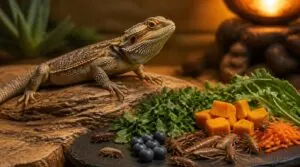
Snake food might fill a belly, but it doesn’t build a healthy dragon. Your bearded dragon thrives on a different formula altogether, one built around live prey and fresh produce. Here are the staples worth stocking instead.
Crickets and Dubia Roaches
Live feeder insects beat any snake food option, hands down. Commercial crickets and dubia roaches, properly gut loaded, deliver far better nutrient transfer than rodent-based diets ever could.
Match cricket size to your dragon’s bite. Dubia roaches offer softer exoskeletons and easier containment—no escape artists hopping around your home, just steady, dependable nutrition.
Hornworms and Silkworms
Watch how a hornworm wriggles—it’s pure movement stimulation that triggers natural hunting instincts. These plump feeders run 85-90% water, making them excellent for hydration benefits. Silkworms, around 75% moisture, offer firmer texture and higher protein.
Check the calcium-phosphorus ratios: silkworms hover near 1:1.4, hornworms closer to 1:3. Size scaling matters too—hornworms reach 10cm, so trim portions for hatchlings.
Leafy Greens and Vegetables
Salad isn’t filler—it’s where your dragon’s nutrient density comes from. Rotate romaine lettuce, mustard greens, dandelion greens, collard greens, and kale; darker pigmentation levels generally mean richer antioxidant benefits.
Top picks:
- Collard greens
- Kale
- Dandelion greens
- Mustard greens
Greens also deliver probiotic fiber for gut health. Buy fresh—perishability factors mean wilted greens lose nutritional punch fast.
Limited Fruits Only
Fruit makes a fine occasional treat, but it shouldn’t anchor a bearded dragon food plan. Sugar concentration runs high in most fruit, raising digestive transit issues like loose stools.
Fruit also falls short on protein, fat, and calcium-to-phosphorus balance, creating nutritional imbalances if it crowds out insects and greens. Keep portions under 5% of total intake—a true reptile diet stays omnivorous, not fruit-heavy.
Commercial Dragon Diets
Pelleted diets won’t replace live prey, but they’re a solid backbone for daily feeding. Choose protein formula based on age—juvenile blends run higher protein, adult versions lower, matching life-stage needs.
Always practice moistening pellet texture before serving; dry pellets risk choking and offer less hydration. Continue supplementation with pellets, since calcium and D3 dusting still matters even with commercial dragon diets in rotation.
Feeding by Bearded Dragon Age
Your dragon’s nutritional needs shift as it grows, and feeding the same way at every age can backfire. Hatchlings, juveniles, and adults each need different meal frequencies, protein levels, and portion sizes. Here’s what to adjust at each life stage.
Hatchling Meal Frequency
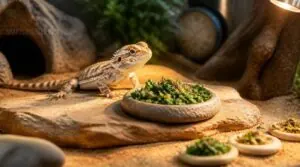
Hatchlings burn energy fast, so daily feeding matters during this growth stage. Most keepers offer multiple small meals daily, spaced to match appetite cues rather than one large sitting.
Track body condition weekly. Steady weight gain signals proper intake; a rounded abdomen means portions are too large. Daily feeding rhythms shift to every other day as growth slows—always guided by weight tracking, not a fixed calendar.
Juvenile Protein Needs
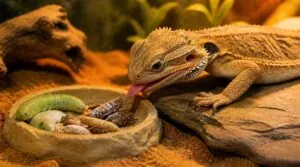
Once feeding frequency settles into a rhythm, protein quality becomes the priority. Juvenile growth rate demands more animal prey than adults need, since muscle and skeletal development require steady nutrient density.
Rotate crickets, dubia roaches, hornworms, and silkworms rather than relying on one insect. This protein rotation provides broader nutrient coverage and reduces skeletal growth risks tied to nutritional imbalances—calcium support still matters alongside every protein-rich meal.
Adult Salad Ratios
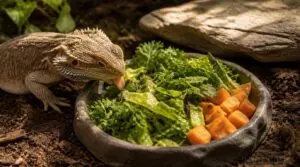
Once growth slows, the diet flips: greens now make up 70–80% of daily intake, with vegetables filling the rest. Offer salad in the morning, watch portions disappear within 15 minutes, and rotate romaine, dandelion greens, and squash for texture variety.
Skip iceberg and limit goitrogens to protect calcium-phosphorus balance—this omnivorous diet shift prevents nutritional imbalances as your dragon matures.
Senior Dragon Adjustments

Once your dragon enters its senior years, metabolic slowing means fewer calories burned, so trim insect frequency to avoid weight gain.
Soften prey for dental health and digestion support—older jaws tire faster. Mobility nutrition matters too: keep calcium steady for joint and bone strength.
Senior hydration needs special attention; offer soaking water daily to prevent dehydration and support overall reptile health maintenance.
Proper Prey Size
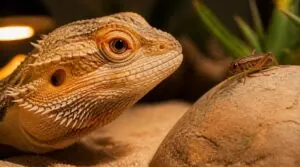
Size matters as much as species. The Head Width Rule is simple: prey shouldn’t exceed the space between your dragon’s eyes, reducing swallowing safety risks.
Oversized feeders slow digestion speed and raise impaction odds. Watch for regurgitation warning signs after meals.
- Measure prey against eye width
- Scale portions with growth based scaling
- Adjust monthly as your bearded dragon matures
Good reptile husbandry means revisiting prey size often during live prey feeding sessions.
Supplements With Any Feeder Prey
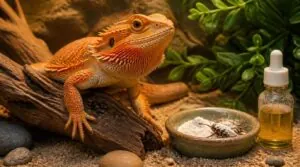
Feeder insects alone won’t cover every nutritional gap your bearded dragon has. A few key supplements close those gaps and keep your dragon’s bones, organs, and energy levels in good shape. Here’s what every feeding routine should include.
Calcium With D3
Calcium alone can’t do the job. Your dragon needs vitamin D3 to move that calcium from the gut into the bloodstream, where it helps maintain bone density and muscle signaling.
Dust feeder insects with calcium-D3 powder before every meal. Skip UVB and even good supplements fall short—or worse, oversupplementing without sunlight balance risks hypercalcemia. This pairing prevents Metabolic Bone Disease when dosed correctly.
Weekly Multivitamin Dusting
Once a week, dust feeder insects with a reptile-specific multivitamin instead of calcium. This rotation prevents micronutrient overdose—too much vitamin A or zinc causes real harm. Always check the product label for dosing frequency, since potency varies by brand.
Apply a light, even coat right before feeding. Watch your dragon’s appetite and stool for signs the routine needs adjusting.
Gut-Loaded Insects
Feeding an empty cricket to your dragon is like serving a plate with no meal on it—nutrition has to come from somewhere first.
- Best Loading Windows: 24–48 hours before feeding
- Gut-Load Ingredient Selection: kale, collards, carrots
- Nutrient Density boosts via calcium-balanced formulas
- Hydration Method Safety: gel sources over water
- Preventing Food Spoilage: remove uneaten produce daily
Gutloaded crickets retain nutrients only briefly, so timing matters.
UVB for Calcium Absorption
UV light isn’t optional—it’s what turns dietary calcium into usable calcium. UVB wavelengths near 295–315nm trigger vitamin D synthesis, enabling intestinal calcium uptake. Standard glass blocks this, so mesh-screened enclosures matter.
| UVB Factor | Effect | Husbandry Note |
|---|---|---|
| Wavelength | D3 synthesis | 280–315nm needed |
| Glass | Blocks UVB | Use mesh tops |
| Distance | Lowers dose | Stay basking-close |
Without adequate UVB, even calcium supplements won’t absorb properly.
Hydration and Humidity Checks
Good nutrition only works if your dragon is properly hydrated, so don’t skip this step.
Offer drinking water in a shallow, easy-access bowl, refreshed daily. Watch for dehydration warning signs: sunken eyes, wrinkled skin, or lethargy. Use a hygrometer to track humidity, keeping it moderate.
- A shallow water dish your dragon won’t tumble into
- Brief, scheduled misting that dries before bedtime
- Supervised soaks that loosen stubborn shed
Frequently Asked Questions (FAQs)
What is the best food for bearded dragons?
A balanced mix of gut-loaded feeder insects, leafy greens, and limited vegetables gives bearded dragons the best nutrient ratios.
Crickets and Dubia roaches supply protein and nutrient density, while rotating greens and proper hydration feeding methods round out healthy, species-appropriate exotic pet nutrition.
What is the most common cause of death in bearded dragons?
Inflammatory disease drives most deaths, often paired with chronic degenerative patterns affecting the hepatobiliary system.
Pathology data shows hepatic fatty change and systemic organ dysfunction frequently causing decline—proof that proper reptile diet and nutrient density matter for what bearded dragons eat daily.
Is snake plant safe for bearded dragons?
The name sounds gentle; the chemistry isn’t. Snake plant is not considered safe for bearded dragons to eat, despite its enclosure-friendly appearance. It carries plant toxicity risks, so stick with verified enrichment plant alternatives instead.
What is a live prey for bearded dragons?
Live prey means gut-loaded feeder insects like crickets, dubia roaches, hornworms, and silkworms.
These invertebrate prey items trigger natural hunting instincts, can be tweezer-fed or chased, and must match proper prey size for safe lizard diets.
How do bearded dragons eat?
Like a tiny dragon on patrol, your pet relies on sharp hunting instincts, snapping up live prey or grazing on greens, sometimes accepting feeding tweezers, while balancing prey sizing and hydration sources for proper, lifelong dietary requirements.
Do bearded dragons eat acid?
No, not on purpose. Citrus acid risks and oxalic acid impact disrupt gut health, irritate the digestive tract, and bind calcium. Stick to gut-loaded feeder insects and safe greens — proper dietary requirements skip acidic fruit entirely.
Do bearded dragons eat salad?
Yes — salad is a daily staple, not optional. Bearded dragons eat nutrient-dense greens like collard, mustard, and dandelion, avoiding iceberg lettuce and oxalate-rich spinach.
Daily vegetable ratios should hit 70–80% greens, chopped to size, reflecting natural feeding habits.
Can bearded dragons eat fruit?
Sweetness can heal or harm in the same bite. Bearded dragons eat fruit safely only as an occasional treat, never a staple. Stick to fruit portion limits around 5–10%, choose safe options, and skip toxic fruits like avocado or citrus.
Can bearded dragons eat bugs?
Bugs are essential. Bearded dragons eat feeder insects like crickets and roaches to satisfy their insectivore instincts, supporting hydration and natural hunting behavior. Stick to safe insect sourcing—wild bugs risk toxicity and parasites that can cause real harm.
Can bearded dragons eat frozen vegetables?
Frozen and fresh vegetables both have a place in your dragon’s bowl—the difference lies in thawing safety protocols, not nutrition.
Thaw fully to room temperature first, since freezing actually preserves nutrient retention better than wilted, days-old fresh produce sitting in your fridge.
Conclusion
Feed your dragon nothing but mice, and you might as well hand it a stick of butter every meal. That’s the danger hiding behind casual snake food for bearded dragon swaps. Your dragon’s body wasn’t built for that kind of fat load.
Pinkies stay a rare treat, never a staple. Lean on gut-loaded insects, leafy greens, and proper dusting instead. Get the ratios right, and your dragon won’t just survive. It’ll thrive for years, scales bright and appetite steady.