
This site is supported by our readers. We may earn a commission, at no cost to you, if you purchase through links.

Your ball python used to prowl the enclosure every evening, tongue flicking, nosing along the glass. Now it lies tucked in its hide, ignoring everything you do.
A snake losing interest in surroundings can worry you, and your concern makes sense. Sometimes the cause is harmless, like digestion, a new home, or a seasonal slowdown. Other times, a quiet snake is quietly telling you something’s wrong with its health or setup.
Telling the two apart takes a close look at your snake’s habits, its enclosure, and a few physical clues. Here’s how to read them.
Table Of Contents
Key Takeaways
- A quiet snake isn’t always a sick one, since digestion, a new home, breeding or seasonal cycles, pregnancy, and age can all slow it down, so compare what you’re seeing against your own snake’s normal habits and weigh it monthly to spot real trends.
- Check your setup first, because incorrect temperatures or humidity, an inconsistent light cycle, hides that are too roomy, and too much handling can all make your snake stop exploring, and these are all fixable.
- Warning signs like open-mouth breathing, wheezing, bubbles at the nose, sunken eyes, visible spine, regurgitation, or tremors suggest a health problem rather than a simple slowdown.
- Get to a reptile vet the same day or the next if your snake is lethargic along with breathing trouble, weight loss, regurgitation, or weakness, but if it’s only mildly quiet and alert, you can fix its enclosure and watch it for 12 to 24 hours.
How to Tell if Your Snake Is Less Active
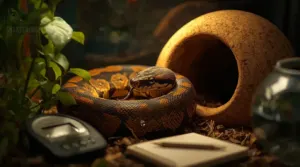
How can you tell a quiet snake from one that’s struggling? Start with your own snake’s baseline, since every animal settles into its own routine. Decreased activity levels matter most when they last, not when you see a single lazy day. Ball pythons are naturally crepuscular and may stay motionless all day, and they can also fast for months during breeding season or seasonal cycles without being sick.
Watch the tongue. Healthy snakes flick it often to sample the air, so reduced tongue-flicking can mean weakness. Also notice how your snake reacts when you approach. A well snake coils or tightens up, while a sick one may lie limp.
If your snake’s tongue-flicking or alertness seems off, this guide to the signs of a sick snake can help you judge what’s normal.
Weigh your snake monthly and jot it down. Steady weight loss alongside decreased mobility or a clear loss of interest in surroundings deserves attention, and any reptile behavioral changes that drift toward terminal lethargy need prompt veterinary care.
Why Do Snakes Sometimes Explore Less?
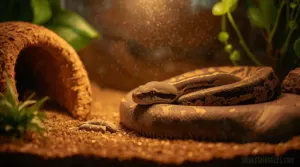
A snake that’s exploring less isn’t always unwell. Often, the cause is a normal body process, and knowing the usual ones can ease your worry.
Here are the common, non-illness reasons you may notice decreased activity levels:
Checking your enclosure’s temperatures is a good first step, and this guide to snake lethargy causes and solutions walks through what to adjust.
- Digestion after a meal: larger prey can leave your snake sluggish for several days.
- Brumation or breeding season: falling temperature and daylight, or mating drive, can pause feeding and roaming.
- Gravid females: they often refuse food and stay put near heat throughout gestation.
- A new home: most snakes hide for one to four weeks while they map the scent of their space.
- Age and weight: older or overweight snakes simply move less.
Chronic stress can dull curiosity, so keep watching for lasting patterns.
Enclosure Problems That Reduce Snake Activity
Sometimes the cause of a quiet snake is the enclosure itself, and that’s good news because setup problems are fixable. A few common issues can make your snake feel unsafe, chilly, or uncomfortable enough to stop exploring. Let’s walk through the ones worth checking first.
Temperature and humidity checks
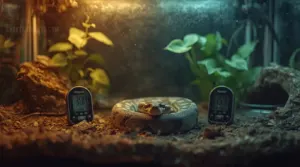
You might think a quiet snake just needs time, but your setup is worth checking first. As an ectothermic animal, your snake relies on a proper temperature gradient for thermoregulation.
Use digital thermometers on both sides, placed at snake level, since dial types can be off by 20°F. Check humidity levels too; ball pythons need 60–80%.
Even small drifts matter.
Lighting and day-night cycles
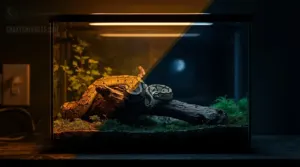
Once temperatures look right, think about light. Snakes need a consistent day-night signal to keep their internal clock on track, and lights that switch on and off at random times can disrupt it as much as constant darkness.
A steady light cycle also eases adjustment, so check how long to leave a new snake alone before handling while it settles in.
Use a timer for a steady schedule, and make nights truly dark. Cycle your heat and daytime lights together.
Secure hides and handling stress
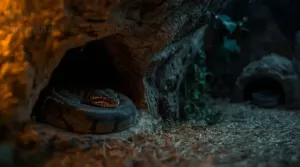
Why might a snake stop exploring? Often it’s because it doesn’t feel safe. Snakes sense security through touch, so a hide that’s snug, with your snake’s coiled body pressing the sides and ceiling, works better than a roomy cave. Offer one at each end of the gradient.
Go easy on handling, too. Longer sessions may suppress activity, so keep them brief.
Health Warning Signs Beyond Reduced Activity
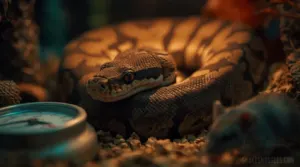
When your snake seems less engaged, how can you tell whether something more serious is going on? Start by watching for symptoms that appear alongside decreased activity levels.
Breathing changes are a major red flag. Open-mouth breathing, wheezing, clicking sounds, or bubbles at the nose and mouth may point to respiratory infections. Cheesy yellow or grey plaques along the gum line, or a snake that strikes and then drops its prey, can suggest mouth infection.
Look at your snake’s body, too. Prominent vertebrae, sunken eyes, and a loss of that round shape often mean weight loss and wasting. Backward head arching, tremors, or a failed righting reflex can indicate a neurological problem. Pink flushing across the belly may signal septicemia.
When to See a Reptile Vet
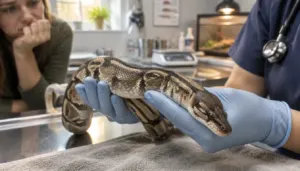
Picture a ball python that’s been curled in her hide for days. She skipped her last meal, and now you notice her spine looks sharper than it did a month ago. When you gently tip her upright, she can barely lift her head. That combination is your cue to act today, not next week.
A snake that sinks into its hide, grows bony, and cannot lift its head needs a vet today, not later
Same-day or next-day care makes sense if your snake is lethargic and also regurgitating food, losing visible weight, or can’t right itself. Open-mouth breathing, wheezing, or bubbles at the nose need immediate attention. A gravid female who turns weak or unresponsive can’t wait either, since egg binding may become dangerous within hours.
If your snake is only mildly quiet, still alert, or heading into a shed, you can watch for 12 to 24 hours while you fix any enclosure issues. Book a visit if nothing improves or a new sign appears.
Frequently Asked Questions (FAQs)
What enrichment ideas keep a snake mentally stimulated?
A bare enclosure is a book with blank pages. Fill it with variety: multiple hides, climbing branches, and mixed substrates. Scatter food to prompt foraging, rotate items weekly, and add changes gradually, keeping stress low.
Why is my snake not interested in food?
Snakes in blue can refuse meals for 7 to 14 days, so a skipped meal isn’t always alarming. Check your warm end with a probe thermometer, since a cool spot can shut appetite down completely.
How long can a snake safely go without eating?
It depends on your snake’s age and health. Healthy adults can often skip meals for weeks, and some species fast for months, while babies and juveniles may need a vet within days.
What are the signs that a snake is dehydrated?
A dehydrated snake often has dry, wrinkled skin that stays tented when gently pinched. Its eyes may look sunken, and urates can turn yellow or hard. Patchy, difficult sheds are common too.
Do pet snakes recognize their owners over time?
Many owners notice their snake stops hiding when they approach. Snakes likely recognize familiar scent, not faces, so your smell and calm handling become recognizable over time. They may flick their tongues toward you often.
Conclusion
So what should you do when you spot a snake losing interest in surroundings it once explored with ease? Start by checking the basics: temperature, humidity, hides, and lighting. Many slowdowns fade once those are right.
But if your snake also refuses meals, loses weight, wheezes, or stays sluggish for weeks, book a reptile vet visit. Acting early can protect your snake’s health, and your calm, careful attention is exactly what it needs right now.