This site is supported by our readers. We may earn a commission, at no cost to you, if you purchase through links.

You walk over to the tank and see a pink, glistening lump bulging from your snake’s vent. Your stomach drops. This is a genuine emergency, and the next few minutes matter more than you think.
Prolapsed tissue can turn from healthy pink to necrotic purple in hours, not days. Snake prolapse emergency care hinges on quick, correct action: keeping tissue moist, controlling temperature, and getting your snake to a reptile-savvy vet before damage becomes permanent.
Here’s exactly what to do right now, and how to recognize, treat, and prevent this crisis from happening again.
Table Of Contents
- Key Takeaways
- Snake Prolapse Emergency Care: What to Do Now
- How to Recognize Prolapse in Snakes
- What Causes Snake Prolapse?
- Veterinary Treatment Options for Snake Prolapse
- Snake Prolapse Recovery and Recurrence Prevention
- Frequently Asked Questions (FAQs)
- What happens when a snake prolapses?
- What causes prolapse in reptiles?
- What is prolapsed hemipenis in snakes?
- What is cloaca prolapse in lizards?
- What happens If cloacal prolapse is not protected?
- What happens if a cloaca is prolapsed?
- How do you assess a prolapsed phallus or hemipene?
- Can prolapse happen multiple times in snakes?
- How long does prolapse recovery typically take?
- What age groups are most prone to prolapse?
- Conclusion
Key Takeaways
- If you spot pink tissue bulging from your snake’s vent, call a reptile vet immediately and keep the tissue moist with sterile saline every 15 minutes until you get there.
- Never try to push the tissue back in, apply household products, or use ice or heat—these mistakes can cause permanent damage that only a vet should manage.
- Tissue color tells you how urgent things are: bright pink means healthy blood flow, while purple or black signals necrosis and a surgical emergency.
- Prolapse usually stems from an underlying issue like dehydration, parasites, egg binding, or metabolic bone disease, so treating the cause is just as important as fixing the prolapse itself.
Snake Prolapse Emergency Care: What to Do Now
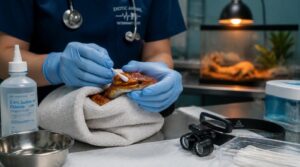
Seeing pink or dark tissue protruding from your snake’s vent is scary, but what you do in the next few minutes matters most. This isn’t a wait-and-see situation—it’s a true emergency that calls for quick, correct action. Here’s exactly what to do right now, step by step.
Prolapses can look different from snake to snake, much like the uneven wounds left by a rattlesnake strike, since both result from sudden, irregular trauma rather than anything predictable.
Before you do anything else, take a look at this step-by-step guide to prolapsed vent care in snakes so you know exactly how to keep the tissue safe until you reach a vet.
Contact a Reptile Veterinarian
Call a reptile veterinarian before doing anything else. Use ARAV FindaVet to find reptile vet options near you, verify credentials, and request species match, since snake experience differs from lizard or turtle care. When evaluating options, ask about reptile-specific clinical experience, including case volume and species comfort, to make sure competent emergency care.
Ask emergency access questions immediately. Prepare medical history while you wait. This is a true veterinary emergency, and minutes matter for tissue survival.
Keep Exposed Tissue Moist
While you wait for the vet callback, keep exposed tissue moist using sterile saline solution or water-based lubricant, reapplied every 15 minutes. Avoid petroleum products.
- Sterile saline or lubricant only
- Damp paper towels underneath
- No rubbing or scrubbing
- Reapply every 15 minutes
Think leaky faucet, not sponge: constant moisture prevents desiccation and preserves tissue viability until surgical evaluation.
Prepare a Clean Transport Container
While saline keeps tissue alive, a secure transport container keeps it safe. Grab a dark, lockable plastic tote with smooth interior walls, no glass. Line the bottom with damp paper towels or a temporary paper towel substrate, add ventilation holes, and pack sterile saline plus water-based lubricant for the ride. Handle gently.
Maintain Safe Species-Appropriate Warmth
Once your snake is secured, temperature regulation becomes your next priority. Set up a thermal gradient inside the container: warm side 75-90°F, cool side 5°F lower. Use a UniHeat pack wrapped in a towel, never bare skin contact. Check both zones every 30 minutes.
Ball pythons need 75°F minimum; king snakes require 85-90°F.
Avoid Dangerous First-Aid Mistakes
When panic sets in, good intentions cause real damage. Do not force tissue back inside; untrained reduction tears delicate membranes. Skip household ointments, butter, or toothpaste entirely. No ice, no heat sources, no soaking in water.
Skip manual reduction yourself. Manual reduction, surgical intervention, tissue debridement, even amputation are your vet’s calls, not yours. Use clean transport only, then get moving.
How to Recognize Prolapse in Snakes
Not every prolapse looks the same, and that’s exactly why misreading one costs precious time. Some cases show up as an obvious pink bulge near the vent, while others hide subtler clues like straining or unusual posture. Here’s what to watch for, tissue by tissue, sign by sign.
Cloacal Prolapse Warning Signs
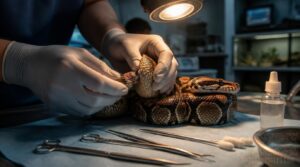
A pink lump bulging from the vent is your clearest red flag, but don’t wait for that alone. Watch for excessive straining, appetite loss, and hiding.
If the exposed tissue starts turning dark or emitting a foul smell, it’s a sign of necrosis, and this guide on treating a prolapsed vent in snakes explains why urgent vet care matters at that point.
Tissue discoloration toward purple or dark shades signals worsening damage. Swelling, sluggish behavior, and repeated pushing motions often precede visible protrusion, so catch these warning signs early.
Hemipene Prolapse in Male Snakes
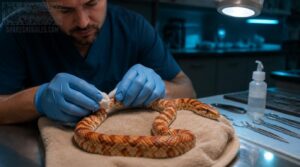
If your male snake shows tubular tissue at the vent, you’re likely looking at hemipene prolapse, not standard cloacal prolapse. Male snakes carry paired hemipenes, normally inverted until mating triggers eversion.
Spontaneous protrusion outside breeding demands emergency evaluation. Keep tissue moist and call your vet immediately. Never attempt manual reduction yourself, damaged erectile tissue needs professional assessment for viability before treatment begins.
Tissue Color and Viability
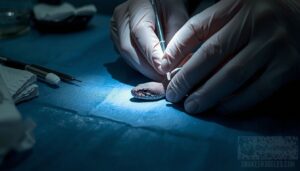
Color tells a story about blood supply, and you need to read it fast. Bright pink tissue signals healthy circulation and a strong chance of successful reduction.
As minutes pass, watch for shifts toward purple or maroon, early warnings of tissue necrosis. Black, darkened tissue means blood flow has failed, requiring surgical debridement rather than manual reduction.
Straining, Swelling, Bleeding, and Lethargy
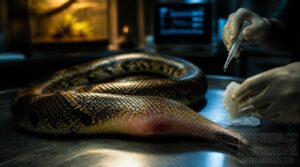
Four signs together mean trouble: straining, swelling, bleeding, lethargy. Repeated straining past 24 hours signals nerve and tissue damage. Swelling that darkens or turns sticky raises infection risk fast.
Any bleeding is an emergency, don’t attempt reduction yourself. Lethargy with poor appetite means your snake’s overall health is declining.
All four together? Get to an exotic-capable emergency clinic immediately.
Signs of Necrosis and Infection
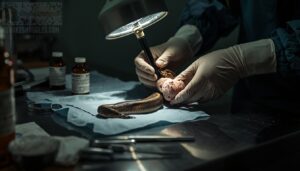
Dead tissue doesn’t heal, it decays. Watch for tissue discoloration turning black or brown, foul odor, or purulent discharge signaling infection has taken hold.
Dead tissue doesn’t heal, it decays—blackened color, foul odor, and discharge mean infection has already taken hold
- Dry, leathery patches or wet slough
- Swelling, edema, warmth around the vent
- Rapid progression over hours, not days
Once cells lose blood supply, necrosis means tissue death, no recovery. This is a surgical emergency requiring antibiotics, not home care.
What Causes Snake Prolapse?
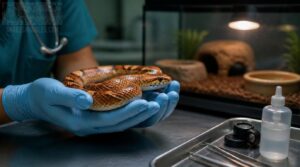
Prolapse doesn’t happen out of nowhere. It’s your snake’s body reacting to something already going wrong inside, whether that’s straining, infection, or structural weakness. Here are the five culprits you need to rule out first.
If you’re seeing shrinkage or dimpling in a clutch rather than prolapse symptoms, check out this guide on why ball python eggs look deflated before assuming the worst.
Chronic shedding trouble is one of those quiet stressors, so it’s worth checking your snake against these signs of incomplete snake shed before assuming the prolapse is purely structural.
Constipation, Dehydration, and Diarrhea
When your snake strains repeatedly, the culprit is often a fluid balance problem, not just diet. Dehydration hardens stool, forcing dangerous straining. Diarrhea flips the script, draining electrolytes and worsening dehydration, which then swings back toward constipation. It’s a vicious stool consistency cycle. Hydration therapy and adequate dietary fiber break that loop before straining triggers prolapse.
Parasites and Cloacal Inflammation
Fluid problems aren’t the only hidden trigger. Intestinal parasites irritate the gut lining, causing straining that mirrors constipation. This parasite-induced inflammation spreads to the cloaca, producing cloacitis and fragile, bleeding-prone tissue.
Dirty substrate compounds fecal contamination risks, letting irritants re-infect the vent. Left unchecked, chronic tissue damage and infection follow. A fecal exam and husbandry review catch these threats early.
Egg Binding and Reproductive Straining
Parasites aren’t the only internal threat. In female snakes, egg binding creates its own prolapse risk when an egg can’t pass through the oviduct.
This oviduct obstruction triggers repeated straining progression, and reproductive pressure builds fast. Untreated, egg retention raises tissue necrosis risk in the oviduct wall, a genuine emergency requiring prompt veterinary assessment.
Trauma, Masses, and Bladder Stones
Physical injury tells a different story than reproductive strain. A pelvic fracture bladder injury can pierce the wall directly, though this happens in under 10% of fractures.
Masses matter too. Uterovaginal prolapse obstruction blocks urine flow, letting minerals concentrate into bladder stone formation. This cloacal prolapse urinary compression demands radiography and often surgical intervention for surgical stone removal.
Metabolic Bone Disease and Weakness
When calcium and phosphorus fall out of balance, the whole skeleton pays the price. Metabolic bone disease causes muscle weakness, poor calcium absorption, and constipation, all of which increase straining and prolapse risk. Vitamin D metabolism problems compound bone density loss.
Watch for these warning signs:
- Soft, rubbery jaw bones
- Tremors or muscle twitching
- Spinal kinks signaling skeletal deformity
Veterinary Treatment Options for Snake Prolapse
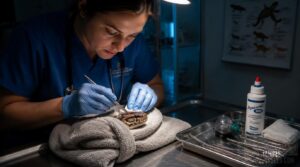
Once your snake is in your vet’s hands, treatment moves fast and follows a clear path. Your vet will assess the tissue, then choose between conservative and surgical options based on what they find. Here’s what that process often looks like, step by step.
If you’re still trying to gauge whether your snake’s behavior warrants a vet visit, this guide on spotting the difference between normal snake lethargy and illness can help you catch problems early.
Once treatment wraps up, staying on top of routine reptile health checkup procedures helps catch any setbacks early and keeps recovery on track.
Physical Exam and Tissue Assessment
Your vet inspects the tissue closely: color, moisture, warmth, swelling, and hemorrhage all matter. Pink means viable; black signals necrosis needing debridement.
| Sign | Healthy | Concerning |
|---|---|---|
| Color | Pink | Black/purple |
| Texture | Moist | Dry, cracked |
| Temp | Warm | Cold, mottled |
This exam decides whether reduction is possible or edema has gone too far.
Sedated Reduction and Retention Sutures
Once tissue looks viable, sedation begins. Vets often use alfaxalone with local anesthesia, or sevoflurane masking at 2-7% for smaller patients.
- Sugar water shrinks swelling first
- Hypertonic saline reduces edema fast
- Lubricant eases gentle manual reduction
- Lateral retention sutures hold tissue
- Sutures stay 3-4 weeks, absorbable
Polydioxanone sutures preserve the vent’s shape, avoiding circumferential tightening that could block defecation.
Surgery for Damaged Tissue
When gray or blackened tissue signals irreversible necrosis, sedated reduction won’t save it. Surgical intervention becomes urgent.
Damaged hemipenes or prolapsed segments are clamped, ligated, then amputated. Coeliotomy anchors colon tissue to ribs with nylon sutures when needed. Tissue debridement removes dead material first.
Radiosurgery controls bleeding given reptiles’ lower blood pressure. Surgery finishes in 30-60 minutes, minimizing anesthesia time and infection risk during wound management.
Antibiotics, Pain Relief, and Fluids
Surgery stops the bleeding, but infection can still kill your snake. Antibiotics like enrofloxacin target contaminated gastrointestinal tissue. NSAIDs plus local anesthesia manage pain by species and weight.
IV fluids correct dehydration and support blood pressure when necrosis risk is high. Post-procedure monitoring tracks eating, defecation, and wound healing over the following weeks.
Testing for Underlying Causes
Fixing the prolapse means nothing if you ignore why it happened. Fecal exams screen for parasites, blood work checks calcium and kidney function, and radiographs reveal bladder stones or egg binding. Cloacal endoscopy inspects tissue directly, while urinalysis flags metabolic imbalances. Skip this testing and you’re just waiting for round two.
Snake Prolapse Recovery and Recurrence Prevention
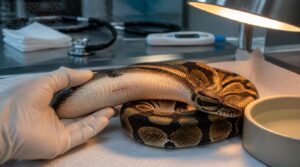
Getting your snake through surgery or manual reduction is only half the battle. What happens over the next few weeks determines whether that prolapse stays gone for good. Here’s what recovery and prevention actually look like, step by step.
Post-Treatment Monitoring and Wound Care
Once your snake is home, wound care determines whether recovery holds or recurs. Follow your vet’s wound cleaning protocol exactly: clean hands, gloved cleansing, sterile dressing changes.
Track healing daily:
- Suture integrity (48-hour post-op check)
- Swelling or discharge changes
- Discoloration signaling necrosis
- Appetite and activity shifts
- Vent cleanliness
Report infection signs immediately. Medication adherence isn’t optional, it’s what preserves tissue viability.
Feeding, Hydration, and Activity Guidance
Wound care sets the stage, but what goes into your snake matters just as much.
Wait 14 days before offering food, then start with a noticeably smaller meal. Skip feeding while bandages stay on.
Keep water fresh daily; add sugar-water for 3-5 days.
Limit handling and weigh weekly, tracking any 5% loss.
Temperature, Humidity, and Substrate Adjustments
Get the enclosure right and healing follows. Warm side: 88-92°F, cool side: 76-80°F, using thermostatic control.
Mix water into substrate for 60-70% humidity; push to 70% during sheds. Paper towel works best now.
- Check probes weekly
- Place a humid hide
- Skip loose substrates
Parasite Control and Follow-Up Testing
Substrate isn’t the only reinfection risk. Fecal testing identifies parasites before you treat blindly.
| Step | Timing |
|---|---|
| Baseline sample | Pre-treatment |
| Deworming | Day 0 |
| Follow-up sample | Day 14 |
| Egg count check | 90-95% reduction expected |
| Retest if needed | If shedding persists |
Clean enclosures during collection prevent contamination. Adjust deworming protocols if reduction testing shows resistance.
Emergency Costs and Payment Planning
When prolapse hits, costs pile up fast. Same-day US veterinary care runs $100-$150 for exam fees, $80-$200 for blood work, and $500-$2,500+ for surgical costs depending on severity.
Ask about payment plans upfront. Pet insurance coverage often reimburses 70-90% when diagnosed properly, so don’t skip supportive first aid while arranging funds. Delayed veterinary care costs far more than emergency bills ever will.
Frequently Asked Questions (FAQs)
What happens when a snake prolapses?
Picture a marshmallow squeezed halfway out of a tube. That’s prolapsed tissue: internal organs pushed through the vent, facing rapid tissue exposure risks, drying, swelling, and potential necrosis progression if cloacal tissue viability isn’t assessed within hours.
What causes prolapse in reptiles?
Age doesn’t protect your snake. Constipation, dehydration, and straining top the list, alongside parasites, egg binding, trauma, and metabolic bone disease. Nutritional deficiencies, environmental stressors, and even genetic predispositions can weaken tissue enough to let organs push through the vent.
What is prolapsed hemipenis in snakes?
Your male snake normally stores his hemipenis inside the tail, everting it only through the cloacal opening during mating. A prolapsed hemipenis stays extruded and won’t retract, risking tissue necrosis, so seek emergency veterinary care for manual reduction and posttreatment monitoring.
What is cloaca prolapse in lizards?
Think of it as a garden hose kinked backward: cloacal prolapse pushes internal tissue through the vent. Bearded dragons and iguanas face higher risk, especially from reproductive straining.
Watch for pink, swollen tissue signaling hidden health issues needing imaging and urgent care.
What happens If cloacal prolapse is not protected?
Unprotected tissue can undergo necrosis within hours, inviting fast-moving infection and sepsis. You risk emergency surgery, amputation, or death as tissue damage spreads to organs and cloacal muscles weaken permanently.
What happens if a cloaca is prolapsed?
Exposed tissue quickly loses circulation, risking necrosis and waste passage disruption. Infection sets in fast without emergency veterinary care, and untreated cases often require manual reduction or surgery once tissue viability declines beyond simple treatment.
How do you assess a prolapsed phallus or hemipene?
Your vet checks tissue color assessment, moisture, temperature, and capillary refill to judge viability. Paired position confirms hemipene prolapse. Mild swelling allows lubricated manual reduction; severe cases need sedation and emergency veterinary care.
Can prolapse happen multiple times in snakes?
Yes, like a leaky pipe that keeps springing the same crack, untreated causes bring prolapse back. Straining triggers, hidden tissue damage, and skipped husbandry corrections drive recurrence, making regular veterinary checkups essential for chronic prolapse management.
How long does prolapse recovery typically take?
Plan on two to six weeks for full recovery. Simple reduction heals fastest; surgery extends postoperative care. Tissue viability, root cause resolution, and infection control all shape your snake’s timeline before recurrence risk truly settles.
What age groups are most prone to prolapse?
Two groups top the risk list: juvenile snakes under a year with weak cloacal muscles, and breeding age snakes, especially adult females straining through repeated egg-laying cycles and hormonal shifts.
Subadults going through rapid growth phases also face elevated susceptibility.
Conclusion
That pink lump is a warning flag, not a death sentence. Snakes are resilient, and tissue that looks dire often heals when you act fast.
Snake prolapse emergency care isn’t complicated, it’s disciplined: keep tissue moist, keep your snake warm, and get to a vet within hours. Skip the guesswork and home remedies.
Your calm, quick response is the difference between a scary Tuesday and a lasting injury. Act now, ask questions later.