This site is supported by our readers. We may earn a commission, at no cost to you, if you purchase through links.

A ball python that refuses food, hides constantly, or develops respiratory issues often has one thing in common: bad substrate. Most keepers focus on lighting, temperatures, or feeding schedules—but ground beneath your snake shapes nearly everything about how it lives.
The right substrate doesn’t just hold moisture. It breathes, it cycles nutrients, and it nourishes the tiny organisms that keep the enclosure clean and stable over time.
Choosing the best snake substrate beddings for bioactive enclosures means thinking beyond what looks good and toward what actually works as a living system.
The options below will help you build something your snake—and its cleanup crew—can thrive in.
Table Of Contents
Key Takeaways
- The substrate beneath your snake isn’t just filler — it’s a living system that controls humidity, breaks down waste, and keeps your cleanup crew (springtails and isopods) alive and working.
- Layering matters: start with a drainage base, add a mesh barrier, then build up with coconut coir, cypress mulch, or organic soil to hit the right moisture balance for your species.
- Cedar, pine, sand, and cat litter are genuinely harmful — they release toxic oils, cause gut impaction, and irritate your snake’s airways, so steer clear of them entirely.
- A bioactive setup practically runs itself once it’s built correctly, but you still need to spot-clean waste within 24 hours, monitor humidity by species, and top up substrate when it starts drying out or smelling off.
Best Bioactive Snake Substrate Types
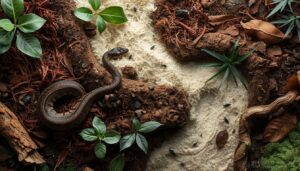
Not all substrates are created equal for bioactive setups. The right mix depends on your snake’s humidity needs, burrowing habits, and how well it provides for the tiny cleanup crew living in the soil.
Getting the balance right takes some research, so diving into a solid bioactive substrate guide for snakes can save you a lot of trial and error with your mix.
Here are the best bioactive substrate types to review.
Coconut Coir and Fiber Blends
Coconut coir is one of the most reliable foundations for a bioactive enclosure. It holds moisture steadily, nurtures live plants, and keeps beneficial bugs like springtails thriving. ZooMed Eco Earth Loose Coconut Fiber Substrate is a popular go-to for good reason.
Key benefits include:
- Fiber Blend Aeration keeps roots and microfauna breathing
- pH Buffering stabilizes the soil environment naturally
- Nutrient Distribution feeds your bioactive layers evenly
- Long-Term Decomposition means less frequent full replacements
The substrate benefits from the natural lignin content of brown coir, which enhances durability.
Cypress Mulch for Humidity Control
Cypress mulch works like a slow release sponge for humidity. Its capillary action pulls moisture deep into each fiber, then releases it gradually — keeping your enclosure steady between mistings. That humidity stability is a real win for tropical species.
| Feature | Benefit | Best For |
|---|---|---|
| Moisture Buffer | Reduces humidity swings | Sensitive tropical snakes |
| Slow Release | Hours-long moisture output | Reducing misting frequency |
| Decomposition Impact | Feeds microfauna gradually | Bioactive terrarium setups |
A 2–3‑inch layer maintains moisture retention in snake enclosures surprisingly well.
Organic Soil and Bioactive Mixes
Mulch gives you humidity control, but organic soil takes your setup further. Soil-based substrates enable real Microbial Nutrient Cycling — meaning waste breaks down naturally through living biology.
Here’s what a solid mix delivers:
- A Humus Layer benefits your enclosure by stabilizing moisture and improving Organic Matter Balance
- Soil pH Optimization (around 6.0–6.8) keeps plants, microbes, and Fauna Population Dynamics in check
- Bioactive terrarium setups thrive when organic topsoil, coconut fiber, and cypress mulch are layered together
Orchid Bark for Airflow
Soil gives your setup life — but orchid bark gives it breath. Its Porous Structure creates Air Pocket Formation throughout the substrate, supporting enclosure ventilation naturally. Root Oxygenation stays steady, which keeps live plants thriving.
| Feature | Benefit | Best For |
|---|---|---|
| Particle Size Tuning | Controls airflow balance | Humidity-sensitive species |
| Bark Longevity | Resists breakdown | Long-term bioactive terrarium design and setup |
| Chunky texture | Prevents compaction | Active burrowing snakes |
Mix orchid bark into your snake substrate for better ventilation and airflow in terrariums.
Leaf Litter for Microfauna Support
Think of leaf litter as the engine room of your bioactive terrarium. It drives Decomposition Rate, boosts Microbial Diversity, and creates Microhabitat Complexity — tiny crevices where springtails and isopods thrive.
Leaf litter is the engine room of any bioactive terrarium, driving decomposition and creating microhabitats where springtails and isopods thrive
Your cleanup crew needs this layer to do its job.
It also manages Moisture Buffering between misting sessions and maintains steady Nutrient Cycling, feeding your plants and keeping the whole system balanced.
Keeping this balance going strong is simple—daily snake terrarium cleaning tips help you maintain the substrate without disrupting the moisture and nutrient cycles your setup depends on.
Drainage Layers and Mesh Barriers
solid drainage layer is the foundation that your bioactive terrarium design and setup actually depends on. HDPE core choice at the bottom, then add a geotextile filtration design layer above it to filter water without clogging.
edge securing techniques and angle it slightly — drainage slope angling keeps moisture moving. This protects your coconut coir, cypress mulch, and the microfauna living above.
Top 5 Bioactive Bedding Products
Once you know what makes a good bioactive substrate, picking the right product gets a lot easier. These five options are well-tested, widely available, and work well for a range of snake species.
Here’s what each one brings to the table.
1. Josh Frogs Tropical Bioactive Substrate
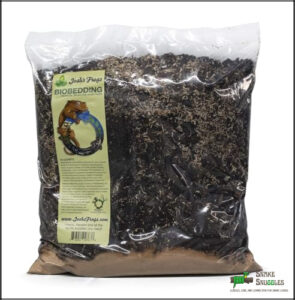
Josh’s Frogs Tropical Bioactive Substrate is one of those ready-to-use mixes that actually earn its price tag.
At $34.99 for 10 quarts, it’s built to support live plants, a clean-up crew of springtails and isopods, and the natural burrowing behavior your snake needs.
The organic blend retains moisture steadily, helping you maintain tropical humidity without constant misting.
Just re-moisten it with dechlorinated water before use, and you’re set for months of low-maintenance, self-sustaining enclosure life.
| Best For | Reptile and amphibian keepers who want a natural, low-maintenance setup for humidity-loving species like tree frogs, geckos, and arboreal tarantulas. |
|---|---|
| Material Type | Organic soil mix |
| Humidity Support | High retention |
| Dust Level | Low |
| Ease of Cleaning | Moderate |
| Enclosure Fit | All sizes, multi-bag |
| Eco Friendly | Yes |
| Additional Features |
|
- Supports a self-sustaining bioactive cycle with live plants and a clean-up crew, so you’re not constantly cleaning the enclosure yourself.
- Holds moisture well, making it easy to maintain the tropical humidity levels your animals actually need.
- Works long-term without needing to be replaced, which makes the price easier to justify over time.
- Arrives dry and needs to be re-moistened with dechlorinated water before it’s ready to use.
- May come with hitchhiker organisms like tiny snails — not a big deal for everyone, but worth knowing upfront.
- One bag likely won’t cut it for larger enclosures, so budget for multiple bags depending on your setup.
2. Zoo Med Forest Floor Bedding
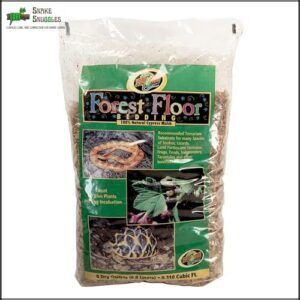
Zoo Med Forest Floor Bedding keeps things refreshingly simple. It’s 100% natural cypress mulch — no dyes, no fragrances, just clean ground cover that holds humidity steadily for tropical and moisture-loving species.
It sits flat enough to spot-clean easily, resists mold better than most wood-based options, and gives burrowing snakes a soft, natural surface to explore.
At 8 quarts per bag, it’s a solid everyday substrate you can also blend with coconut fiber if you want a little extra moisture retention.
| Best For | Tropical and moisture-loving reptiles and amphibians — especially burrowing snakes, frogs, and tortoises that need a stable, humid environment. |
|---|---|
| Material Type | Cypress mulch |
| Humidity Support | Moderate retention |
| Dust Level | Low |
| Ease of Cleaning | Moderate |
| Enclosure Fit | All sizes, multi-bag |
| Eco Friendly | Yes |
| Additional Features |
|
- 100% natural cypress mulch with no dyes or fragrances, so it’s safe and clean for sensitive species
- Holds humidity well and resists mold better than most wood-based substrates
- Low dust and easy to spot-clean, making daily maintenance pretty painless
- Pricier per volume than some alternatives, which adds up fast for larger enclosures
- Occasional oversized mulch pieces that you may need to pick out by hand
- Risk of pest contamination means some owners bake it before use, which is an extra step most people don’t want to deal with
3. Zoo Med Eco Earth Coconut Substrate
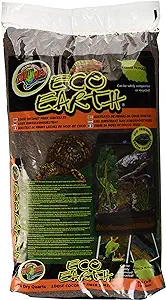
Coconut fiber doesn’t get enough credit in the bioactive world. Zoo Med’s Eco Earth packs a surprising 24 quarts into one bag — plenty to build real depth for burrowing species like ball pythons.
It’s low-dust, soft on skin, and releases moisture slowly, which helps keep humidity stable without constant misting.
You can use it dry for desert setups or dampen it for tropical builds.
It’s also chemical-free and compostable, making cleanup easy on your conscience.
| Best For | Reptile and amphibian owners who want a natural, eco-friendly substrate that works for both tropical and desert setups. |
|---|---|
| Material Type | Coconut husk fiber |
| Humidity Support | Moderate retention |
| Dust Level | Low |
| Ease of Cleaning | Easy |
| Enclosure Fit | All sizes, multi-bag |
| Eco Friendly | Yes |
| Additional Features |
|
- Packs 24 quarts into one bag — enough depth for burrowing species like ball pythons and leopard geckos
- Low-dust and soft on skin, which is gentler on both your pets and your lungs
- Chemical-free and compostable, so disposing of it doesn’t feel wasteful
- Doesn’t raise humidity much on its own — you’ll still need to mist or add a water source for high-humidity species
- The bag isn’t resealable, so you’ll want a container handy if you’re not using it all at once
- Substrate can stick to feeder prey, which means you may need to feed your pet outside the enclosure
4. Zilla Reptile Terrarium Liner
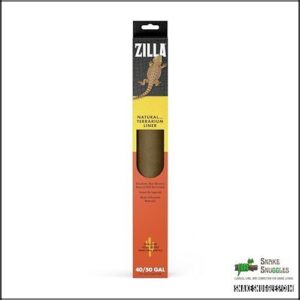
Not every snake keeper wants to manage a full bioactive system — and that’s completely fine. The Zilla Reptile Terrarium Liner is a practical middle ground, especially for beginners or quarantine setups.
It’s enzyme-treated to control odors, non-ingestable, and won’t cause the impaction risks that loose substrates can.
You can rinse it clean and have it dry within hours.
Cut it to fit any tank, keep a second one on rotation, and hygiene becomes almost simple.
| Best For | Beginner reptile keepers or anyone running quarantine setups who want a low-fuss, safe substrate without the hassle of loose materials. |
|---|---|
| Material Type | Synthetic fiber |
| Humidity Support | Low retention |
| Dust Level | None |
| Ease of Cleaning | Very easy |
| Enclosure Fit | Cut-to-size |
| Eco Friendly | No |
| Additional Features |
|
- Enzyme-treated to keep odors down, so your setup stays fresher between cleanings
- Super easy to clean — just rinse, let it dry, and it’s ready to go again
- Cuts to fit any tank size, and keeping a second liner on rotation makes turnover a breeze
- Doesn’t look very natural — if you want that sand or bark aesthetic, this won’t deliver
- Can snag reptile nails if they’re not trimmed regularly
- Some buyers have received gray instead of brown, so color consistency isn’t guaranteed
5. Bryco Goods Brown Kraft Packing Paper
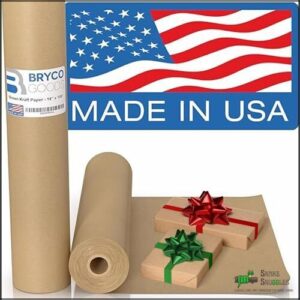
Sometimes the simplest option is the right one. Bryco Goods Brown Kraft Paper is exactly that — a no‑frills, paper‑based substrate that works well for quarantine tanks, sick animals, or new snakes you’re still getting to know.
It’s 18 inches wide, 100 feet long, and easy to cut to size. Humidity stays low, cleanup takes seconds, and you won’t stress about impaction.
It won’t support a bioactive setup, but for basic, safe, short‑term housing, it gets the job done.
| Best For | Snake keepers who need a quick, no-mess substrate for quarantine setups, sick animals, or new arrivals they’re still figuring out. |
|---|---|
| Material Type | Recycled kraft paper |
| Humidity Support | Minimal retention |
| Dust Level | None |
| Ease of Cleaning | Very easy |
| Enclosure Fit | Cut-to-size |
| Eco Friendly | Yes |
| Additional Features |
|
- 100 feet of paper means you’re set for a long time — easy to cut, easy to swap out
- Cleanup is genuinely fast, which matters when you’re monitoring a sick or stressed animal
- Made from recycled materials and built in the USA, so it’s a decent low-guilt choice
- Only 18 inches wide, so larger enclosures will need pieced-together sheets or you’ll deal with waste
- Not built for anything wet-heavy — thick watercolor washes or high-humidity setups will wreck it
- A little pricier than bulk kraft paper options, and rough handling can cause tearing
How to Build Substrate Layers
Building a bioactive substrate isn’t complicated once you know the right order of steps. Each layer has a specific job, and getting them right makes a real difference for your snake’s health and comfort.
Here’s how to put it all together.
Bottom Drainage Layer Setup
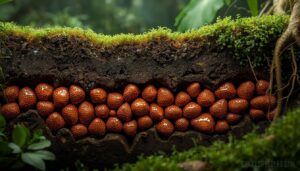
Think of the drainage layer as your enclosure’s foundation — get it right, and everything above it thrives. Start with 2–4 cm of expanded clay or hydroton, since their natural porosity selection keeps water moving freely without substrate compaction.
Capacity calculation matters here: enough reservoir space to handle misting without waterlogging. These reusable media rinse clean easily, supporting long-term bioactive terrarium design and moisture retention goals.
Mesh Barrier Placement
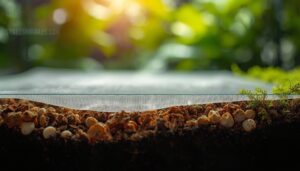
Once your drainage layer is set, the mesh barrier is what keeps everything from mixing together. Place it flat across the full enclosure width — barrier alignment tips matter here. Seal every seam using seam sealing methods that prevent substrate slipping through gaps.
- Orient smooth edges downward
- Press edges firmly against tank walls
- Choose pore size selection that allows drainage but blocks soil
- Confirm moisture cycle compatibility before layering
- Use non-toxic, flexible mesh — not enclosure liners like Zilla Reptile Terrarium Liners or paper, which aren’t suited for bioactive terrarium design and setup
Main Substrate Depth for Snakes
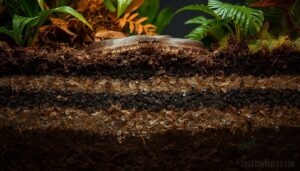
With your mesh barrier in place, it’s time to think about depth.
Burrowing Depth Guidelines suggest four to six inches for active diggers like ball pythons. Non-Burrowing Depth Basics call for just one to two inches. Species Depth Needs vary, so match depth to your snake’s natural environment. Right depth also maintains Humidity Depth Balance between misting sessions.
Moisture-retaining Top Layer Choices
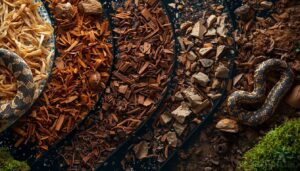
Once your substrate layers are in place, the top layer is where moisture retention really happens. Choose wisely, because this is what keeps your snake’s humidity stable day-to-day.
Top layer options worth considering:
- Coconut coir – retains up to 40% of its weight in water, supporting 60–80% RH
- Cypress mulch – natural humidity buffering keeps daily RH swings under 10%
- Organic bioactive mixes – maintain surface gradients around 65–75% RH
- Orchid bark chips – layer porosity allows airflow while holding moderate surface moisture
- Leaf litter – slow water release prevents sudden humidity drops between mistings
Burrowing Support for Active Species
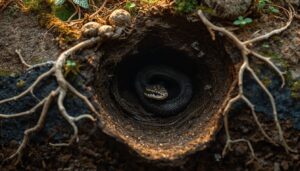
Active burrowers like corn snakes and sand boas need more than just loose bedding — they need structure. Aim for tunnel depth optimization of 5–15 cm, blending fine and coarse particles for particle size grading that prevents collapse.
Good compaction management keeps tunnels stable without suffocating airflow. Moisture gradient control lets snakes thermoregulate naturally, while ventilation channel design stops gas buildup beneath burrows — burrowing enrichment that truly mirrors their natural environment.
See what snakes burrow in naturally to match substrate texture, depth, and moisture to their instincts.
Adding Springtails and Isopods
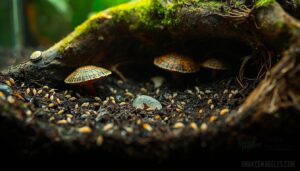
Once your layers are set, it’s time to add your invertebrate cleanup crew. Sprinkle springtails across the surface to kick off Culture Initiation — they’ll colonize the top few centimeters within a week or two.
Nestle isopods a bit deeper for Microhabitat Design that suits both species.
Keep Temperature Control between 70–78°F, practice steady Moisture Management, and watch your Population Monitoring routine catch any imbalances early.
Plant-friendly Substrate Structure
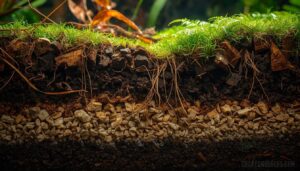
Plants don’t just look good in a bioactive substrate — they pull their weight by stabilizing moisture and supporting microbial activity. Build your structure with these four priorities in mind:
- pH Buffering – Keep soil pH between 6.0 and 7.0 using organic blends
- Root Zone Aeration – Mix coconut fiber benefits for reptile habitats with orchid bark chunks
- Nutrient Cycling – Cypress mulch characteristics for humidity help feed soil-based substrates slowly
- Fiber-Particle Balance – Fine coir plus coarser material enhances Microbial Habitat Design without compaction
Bioactive Bedding Care and Safety
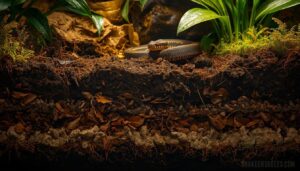
Getting a bioactive setup running is one thing — keeping it healthy is another. The good news is that with a few simple habits, your substrate will stay clean, safe, and stable for months.
Here’s what you need to know to care for it the right way.
Humidity Monitoring by Species
Every snake has its own humidity sweet spot. Ball pythons need 50–60% daily, while water snakes want closer to 70–90%.
Smart species hygrometer placement—multiple spots across the enclosure—gives you microhabitat humidity mapping instead of a misleading reading.
Set your data logger intervals to every 10 minutes and use alarm threshold customization so you’re always ahead of shedding cue tracking before problems start.
Spot-cleaning Waste in Bioactive Setups
Spot cleaning in a bioactive setup doesn’t mean disrupting the whole system.
Within 24 hours of defecation, use blunt-tipped forceps for waste removal timing that protects your microfauna assisted cleanup crew.
Focus on enclosure edge cleaning where waste collects most. Follow tool hygiene protocols — rinse with mild soap, then dechlorinated water.
Your spot clean frequency keeps odor and waste absorption balanced without overworking the substrate.
Preventing Mold and Foul Odors
Mold and foul odors usually mean one thing: too much moisture sitting too long. Keep your humidity between 40 and 60 percent, and make sure Ventilation Flow Management is working — a mesh lid helps a lot.
Mold Resistant Materials like coconut coir and cypress mulch naturally resist buildup. Add Odor Absorbing Additives or Probiotic Cleaning Solutions to maintain a healthy bioactive terrarium setup.
Avoiding Cedar and Pine Bedding
Cedar and pine bedding might look natural, but they’re a real problem for snakes. Both release VOC Emissions and Aromatic Oil Toxicity through their resins — and that Respiratory Irritation adds up fast.
Wood shavings from cedar shavings or pine can also carry Dust Inhalation Risk that irritates airways over time.
Stick to Non-Aromatic Alternatives like aspen or coconut coir instead.
Sand and Impaction Risks
Sand might seem like a natural choice, but it comes with real impaction risks you can’t ignore. Fine particle size means grains get swallowed during feeding contamination or burrowing behavior — and they accumulate quietly in the gut.
Watch for these veterinary signs:
- Refusing food for several days
- Visible bloating or straining
- Regurgitation after meals
Moisture management won’t fix this — skip sand entirely.
When to Top Up or Replace Substrate
Impaction isn’t the only red flag to watch. Your substrate sends signals too.
Use Moisture Gradient Tracking — if the top layer feels crusty or dry, it’s time to top up with 1–2 cm of fresh material.
Persistent smell? That’s your Odor Threshold Indicator.
Run Microfauna Population Checks monthly, and make Seasonal Humidity Adjustments in summer.
Burrow Integrity Assessment confirms everything’s still structurally sound below.
Keeping Substrate Dust-free and Chemical-free
Keeping your bioactive terrarium substrate clean doesn’t have to be complicated. Stick to these three basics:
- Low-Dust Fiber Selection — Choose low‑dust non‑toxic substrates like coconut coir that won’t kick up particles during handling.
- Chemical-Free Cleaning — Skip sprays and deodorizers; rely on invertebrate waste processing through springtails and isopods instead.
- Dust Monitoring Techniques — Spot‑check weekly for dust reduction and respiratory safety.
Frequently Asked Questions (FAQs)
What not to use for snake bedding?
Skip cedar, pine, sand, walnut shells, cat litter, and corn cob. These cause dusty substrate irritation, granular substrate impaction, and corn cob mold — real threats to your snake’s health.
What should I put at the bottom of my snake enclosure?
Start with a drainage layer — plastic liner tray, ceramic tile base, or foam insulation pad work well.
Then add bioactive bedding like coconut coir, cypress mulch, or ZooMed Forest Floor Bedding topped with springtails.
How do temperature gradients affect substrate moisture levels?
Heat pulls moisture upward and away from warm zones, creating dry patches near your basking spot while cooler areas stay damp.
A heat mat below speeds this vertical moisture migration, so watch your humidity levels closely.
Which live plants thrive best in snake enclosures?
The right plant in the right place."
Pothos and spider plants thrive best — they handle low light levels, need minimal water, and naturally purify the air in your snake’s bioactive vivarium.
How does enclosure size impact substrate layer ratios?
Your enclosure size directly shapes your substrate layer ratios.
Larger setups allow deeper Enclosure Size Gradient layers supporting Volume‑to‑Surface Balance, while smaller tanks need Layer Proportion Adjustments to avoid compaction and moisture buildup.
Conclusion
The difference between a thriving bioactive setup and a failing one can come down to a single handful of substrate. When you choose the right snake substrate beddings for bioactive enclosures, you’re not just filling a tank—you’re building a living foundation that works around the clock.
Get the layers right, support your cleanup crew, and match moisture levels to your species. Do that, and your enclosure practically runs itself.