This site is supported by our readers. We may earn a commission, at no cost to you, if you purchase through links.
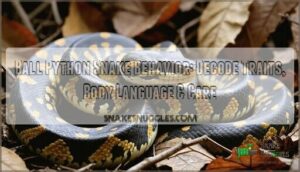
Few sights unsettle a keeper faster than a ball python pulled into a tight, motionless coil. That posture looks calm from a distance, but it often signals the opposite.
Stressed snake tucks its head, locks its body, and waits for danger to pass, whether the trigger is rough handling, cold temperatures, poor hides, or vibration near the enclosure.
Understanding ball python stress ball posture helps you read the difference between normal caution and a problem that needs action. Once you know what the coil is telling you, you can adjust the setup, handling, and checks before stress turns chronic.
Table Of Contents
- Key Takeaways
- What Ball Python Stress Ball Posture Actually Means
- Stress Signals That Escalate Beyond The Ball
- Environmental Factors That Trigger Stress Ball Posture
- Handling Techniques That Reduce Defensive Balling
- When Stress Ball Posture Signals a Health Problem
- Frequently Asked Questions (FAQs)
- How to tell if your ball python is stressed out?
- What are signs of overfeeding a ball python?
- Can balling behavior affect long-term growth?
- Do juvenile ball pythons ball more often?
- Is stress ball posture linked to breeding season?
- Can enrichment items reduce defensive balling frequency?
- Does balling posture impact digestion or feeding response?
- Conclusion
Key Takeaways
- tight, motionless coil signals defensive stress triggered by environmental factors, handling, or sudden disturbances.
- Proper enclosure setup, stable hides, and gentle handling techniques help reduce stress and prevent chronic defensive balling behavior.
- Persistent stress signals like hissing, glass surfing, and abnormal shedding may indicate health issues that require veterinary attention.
- Consistent routines, ideal temperature and humidity, and enrichment items foster a calm, secure environment and support healthy behavior.
What Ball Python Stress Ball Posture Actually Means
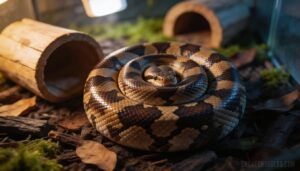
When your ball python tucks itself into a tight sphere, it’s not being dramatic — it’s doing exactly what millions of years of evolution trained it to do. Understanding what drives that behavior makes you a better keeper.
If you’re curious about the reasons behind this classic balling-up pose, this guide to ball python body language and stress signals breaks it down with practical tips for owners.
When a ball python coils into a tight sphere, it’s obeying an ancient survival instinct—not putting on a show
Here’s what that defensive posture actually means.
The Defensive Balling Response Explained
When your ball python senses danger, it doesn’t run — it locks down. This defensive balling is a hardwired freeze‑vs‑flight decision driven by stress hormone release and sensory cue integration from its environment.
Coil tightness levels vary by threat intensity, and head tucking mechanics pull the most vulnerable areas inward fast. It’s not attitude — it’s survival instinct.
How Ball Formation Protects Head and Vital Organs
That lock-down posture isn’t random — it’s engineering. Tight coiling triggers coil muscle tension that pulls the head inward through precise head tucking mechanics, keeping the neck shielded from the first point of contact.
Vertebral alignment stabilizes this defensive coil into a near-sphere, reducing surface area reduction exposure considerably.
The result? Essential organ shielding that puts layers of muscle and bone between your snake’s most vulnerable structures and any perceived threat.
Distinguishing Defensive Balling From Normal Resting
Neck tension and coil tightness tell you a lot. A defensive ball has the head tucked deep with a rigid, locked-in feel — corticosterone levels are elevated, and the snake isn’t moving.
normal resting shows a looser coil, relaxed head position, and activity timing that follows dusk.
defensive balling behavior in ball pythons happens suddenly, usually after a disturbance.
Resting just… settles in quietly.
They generally exhibit nocturnal activity patterns(https://snakesnuggles.com/ball-python-behavior-patterns/) after sunset.
How Long Balling Typically Lasts
Once you recognize that rigid, tucked posture, the next question is: how long does it last? Defensive balling behavior in ball pythons often breaks within the first minute balling begins — if you stay still and keep a calm, steady hold.
The unballing trigger threshold is simply stability. Cumulative stress build‑up from repeated disturbances can stretch that recovery timeframe post‑stress considerably.
Handling pace effect matters: slower always wins.
For more tips on reducing stress from vibrations and movement, check out these escape-proof enclosure strategies for sensitive snakes.
Stress Signals That Escalate Beyond The Ball

Balling is just the beginning — your snake has more to say if you know what to look for. stress builds past a certain point, the signals get louder and harder to miss.
key warning signs that tell you things have escalated beyond a simple defensive coil.
Hissing, Musking, and Striking as Warning Signs
When your ball python moves beyond balling, it’s sending a clear warning. Loud hissing is the first auditory threat cue — air forced through the glottis telling you to back off. If that doesn’t work, chemical defense release through musking follows.
Then comes pre-strike posture: an S-curve hold. This escalation hierarchy means signal combination effects intensify fast. Recognize these ball python stress signals and stop handling immediately.
Rapid Tongue Flicking and Head Weaving
Watch your snake closely — rapid tongue flicking and head weaving are two of the clearest ball python stress signals you’ll see before things escalate. Sensory sampling frequency spikes sharply with enclosure novelty response, thermal gradient influence, or vibration sensitivity.
Head weaving’s stimulus detection mechanics help your python locate threats.
These defensive postures and stress indicators demand immediate attention before your snake’s behavior intensifies further.
Glass Surfing and Persistent Hiding
Glass surfing and frequent hiding are classic stress indicators that often appear together. Your snake repeatedly presses against the glass because it’s searching for escape routes — a coping pattern tied to poor enclosure layout, reflective surfaces, or limited vertical space.
Barrier placement and hide placement both matter here.
When balling, hiding, and boundary pacing combine, your snake is telling you something needs to change.
Environmental Factors That Trigger Stress Ball Posture

Your ball python’s environment does most of the talking before you ever pick it up. When something’s off in the enclosure, the stress ball posture is often the first response you’ll see.
Here are the main habitat factors that push a ball python into that defensive curl.
Temperature and Humidity Outside Optimal Range
Your enclosure’s climate is the foundation of your ball python’s comfort. Gradient imbalance effects and microclimate fluctuations can push even a calm snake into defensive behaviors quickly.
Watch for these thermal stress behaviors and humidity-induced shedding issues:
- Temperature drops below 75°F disrupt digestion and trigger repeated coiling.
- Humidity levels outside 50–60% cause patchy, incomplete sheds.
- Overheating sends them flattening toward cooler zones.
- Respiratory moisture challenges arise when damp, warm air irritates airways.
- Unstable temperature and humidity management in enclosures causes constant repositioning and escalating stress signals.
Insufficient or Poorly Placed Hides
A hide that doesn’t fit right is just as stressful as having none at all. Hide Size Mismatch and Hide Placement Gaps are two of the most overlooked environmental triggers.
Inadequate hides force your snake into exposed areas, while Entrance Obstruction and Orientation Exposure prevent quick retreats.
Prioritize proper hides on both thermal zones — Thermal Zoning Issues, and poor hiding behavior and enclosure design decisions keep defensive balling cycles going.
Noise, Vibration, and Lighting Disruptions
Your ball python feels vibrations the way you feel a truck rumbling past — through the floor, through the walls, all around. Enclosure vibration impact from slamming doors or nearby appliances keeps your snake in a heightened state.
Audible startle cues, flash lighting effects, shadow pattern stress, and heat lamp flicker all qualify as environmental triggers. These vibrational and noise stressors for snakes quietly fuel defensive balling behavior without obvious warning.
Frequent Enclosure Changes and Scent Map Disruption
Your snake builds a mental map using smell — every hide, every corner has a scent signature.
Frequent substrate swaps cause Scent Trail Reset and Odor Anchor Loss, forcing constant Reorientation Stress.
Hide Scent Consistency matters too; replacing hides erases familiar odor cues.
Substrate Odor Variability from brand changes adds more uncertainty.
Keep the layout stable to support environmental stability and reduce defensive stress signals.
Handling Techniques That Reduce Defensive Balling
How you handle your ball python can make a big difference in its stress levels. Simple changes in your approach often help prevent defensive balling.
Here’s what to focus on during each interaction.
Proper Lifting and Mid-Body Support
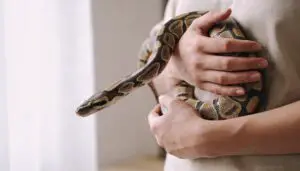
When you use the Mid-body Hug Grip and Two-Point Hand Support, you create Neutral Spine Alignment and Stable Lift Motion. Carrying close to your body prevents tight gripping and stress signals.
This handling technique for snakes keeps the midbody lifting steady, reduces balling behavior, and helps your python feel secure. Consistent, gentle support builds trust and confidence with every session.
Avoiding Overhead Approaches and Sudden Movements
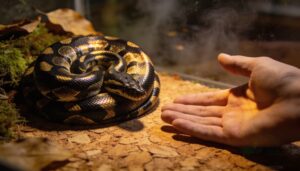
Steady support matters, but how you approach is just as important. Low Hand Approach with Side Entry Technique gives your python time to process movement.
Avoid overhead approach and sudden movements, which trigger defensive balling and stress signals.
Gradual Hand Motion and Steady Visual Cues create a Predictable Transfer Method—handling techniques for ball pythons that foster calm, confident interactions.
Session Length and Frequency Guidelines

After a calm approach, focus on Ideal Session Duration—limit handling to 15–30 minutes, then observe Recovery Time Indicators. Handling Interval Timing matters; wait for relaxed posture before your next session.
Adjust Frequency Adjustment Strategies if defensive balling persists. Always respect Calming Window Length, especially during Preshed Handling Limits and Postfeeding Rest Period, as these handling techniques for ball pythons support stress reduction strategies for captive snakes.
Building Trust Through Consistent Routine

When you establish a Predictable Feeding Schedule and maintain Consistent Hide Locations, your ball python reads these cues as stability.
Pair Routine Light Cycle and Regular Handling Timing with spot cleaning that preserves a Stable Scent Map.
These consistent routine benefits for snake health help reduce ball python defensive behaviors, making trust building easier and minimizing behavioral indicators of reptile stress during handling techniques.
When Stress Ball Posture Signals a Health Problem
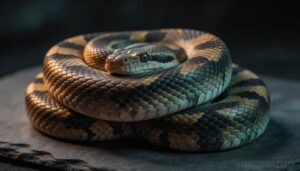
Sometimes, stress ball posture isn’t just about feeling nervous—it can point to deeper health issues.
You’ll want to watch for a few key warning signs that go beyond normal behavior.
Here’s what to look for if you suspect your snake’s stress might be linked to illness.
Respiratory Signs and Open-Mouth Breathing
Open-Mouth Breathing is a red flag in ball python health. If you notice wheezing audible signs, throat coloration changes, or rapid breathing rate paired with body bracing patterns, your snake may be facing respiratory infection. Stress signals like open-mouth breathing and noisy airflow shouldn’t be ignored.
Immediate veterinary attention is necessary when these respiratory infection signs and treatment needs appear.
Persistent Feeding Refusal and Weight Loss
When your ball python repeatedly refuses prey, you’ll notice weight loss over several weigh-ins. This pattern signals a health problem, often tied to environmental causes of stress or elevated stress hormone impact.
For instance, metabolic rate drops and hydration status suffers as intake falls. Persistent feeding refusal paired with declining body condition means it’s time to review Prey Type and seek veterinary guidance.
Abnormal Shedding or Skin Discoloration
Ever notice patchy shed patterns or rough scale texture changes after a stressful week?
Abnormal shedding and skin discoloration often trace back to molting stress factors, retained eye caps, or skin irritation causes. These issues reflect environmental causes of stress—like poor temperature and humidity management—and can disrupt your snake’s shedding cycle.
Identifying stress indicators in snakes helps you spot trouble before it escalates.
When to Consult a Reptile Vet
How do you know when stress crosses the line into ball python health problems? You should call a vet if you see early stress signals or behavioral changes preceding health issues.
Key vet considerations for stressed ball pythons include:
- Routine health exams
- Juvenile vet schedule
- Senior reptile assessment
- Parasite screening
- Weight loss evaluation
Don’t wait—timely action prevents complications.
Frequently Asked Questions (FAQs)
How to tell if your ball python is stressed out?
Sometimes calm hides real tension. Watch for coiling tightness, frequent hide selection, sudden movement speed variance, tail twitching, and subtle eye coloration changes.
These ball python stress signals mark the stress escalation ladder in defensive balling behavior and snake body language.
What are signs of overfeeding a ball python?
Signs of overfeeding include visible body fat buildup, a prolonged post‑feeding bulge, slowed movement, digestive sluggishness, regurgitation incidents, inconsistent feeding behavior, appetite changes, and poor feeding response.
Adjust your feeding schedule to restore feeding consistency.
Can balling behavior affect long-term growth?
Picture a plant wilting from a lack of sunlight—defensive balling behavior in ball pythons acts the same way.
Metabolic stress diverts energy allocation, lowers digestive efficiency, and impacts nutrient utilization, leading to a slowed growth rate and possible weight loss.
Do juvenile ball pythons ball more often?
Juvenile ball pythons show defensive balling behavior more often due to age sensitivity, limited handling experience, and the acclimation period.
As stress habituation improves with growth stage impact, ball formation frequency decreases and stress signals lessen.
Is stress ball posture linked to breeding season?
Imagine dusk in the enclosure—your python coils tightly, sensing invisible shifts.
Hormonal Surge during mating season stress amplifies breeding sensitivity, leading to more defensive balling behavior.
Seasonal Reactivity and hormone balling reflect reptile stress indicators from captive breeding impact.
Can enrichment items reduce defensive balling frequency?
Interactive Objects and environmental enrichment—like stress-reducing toys, hiding options, and Novelty Rotation—add Environmental Complexity and Choice Provision.
These improvements in enclosure design can shift behavior, lowering defensive balling frequency by offering safe spaces and reducing perceived threats.
Does balling posture impact digestion or feeding response?
You’d think snake’s stress balling behavior is just about defense, but it actually triggers digestive slowdown.
Stress signals shift appetite hormones, lower digestive enzyme secretion, alter gut motility, and cause feeding latency—clear stress-induced metabolic impacts on feeding response.
Conclusion
Ironically, the primary goal of understanding ball python stress ball posture is to see less of it. By recognizing triggers and adjusting your approach, you create a calm environment where your snake thrives.
A stress-free ball python is a happy ball python. Regular checks, proper handling, and a well-designed enclosure all contribute to a harmonious relationship.
With patience and practice, you’ll become fluent in snake body language, ensuring a long, healthy partnership with your scaly friend.