This site is supported by our readers. We may earn a commission, at no cost to you, if you purchase through links.
Overfeeding sends more pet snakes to the vet clinic than underfeeding ever does. It sounds backward, but a chubby ball python with fat deposits along its spine faces real health risks, while a slightly lean corn snake usually thrives. Age, species, and metabolism all pull your feeding calendar in different directions, and copying a schedule from an online forum won’t cut it.
That’s where a best snake feeding schedule earns its value. Get the timing right, and you’ll watch steady growth, clean sheds, and a snake that stays curious and alert between meals. Get it wrong, and you’re troubleshooting refusals or regurgitation for months. Ahead, you’ll find the numbers, by age and species, that take the guesswork out of your feeding routine.
Table Of Contents
- Key Takeaways
- How Often Should You Feed a Snake?
- Snake Feeding Schedule by Life Stage
- Feeding Schedules for Popular Snake Species
- How to Adjust Your Snake’s Schedule
- Choose Prey and Feed Safely
- Frequently Asked Questions (FAQs)
- How frequently should you feed a snake?
- How to tell when a snake is hungry?
- Is it better to feed a snake in the morning or at night?
- Can I feed my snake 2 days in a row?
- How often should I Feed my snake?
- How do you feed a snake a healthy diet?
- When is the best time to feed a snake?
- Do snakes need a balanced feeding schedule?
- Can a snake go 2 weeks without food?
- How often should you feed a snake?
- Conclusion
Key Takeaways
- Overfeeding, not underfeeding, is the bigger health risk for pet snakes, so a slightly lean snake is safer than a chubby one.
- Feeding frequency should follow your snake’s age, species, and temperature rather than a copied online schedule, with hatchlings eating weekly and adults stretching to 2-3 weeks.
- Tracking weight, body condition, and feeding records regularly helps you catch problems early and adjust the schedule before issues like obesity or refusals develop.
- Matching prey size to your snake’s girth, using frozen-thawed prey, and waiting at least 48 hours before handling after meals all reduce injury and regurgitation risks.
For a full breakdown of these care essentials, the Palmetto corn snake care guide walks through feeding schedules and handling tips in helpful detail.
How Often Should You Feed a Snake?

There’s no single answer to how often a snake should eat, and that trips up a lot of new keepers. Age, species, temperature, and health all pull the schedule in different directions, sometimes at once. Here’s what actually shapes that timing, one factor at a time.
If you want the full breakdown of how these factors interact, this step-by-step guide to feeding your snake properly walks through building a schedule tailored to your snake’s specific needs.
Feeding Frequency at a Glance
Rarely does one schedule fit every snake. As a rule of thumb, adults eat every 1 to 2 weeks, hatchlings feed weekly or more, and larger constrictors can skip meals for several weeks between feedings.
Warm conditions speed digestion, sometimes shortening intervals to 5–7 days. Healthy snakes hold steady feeding gaps with no unusual weight swings beyond normal seasonal shifts. Keeping a data-centered feeding record can help you notice changes in appetite, weight, and digestion.
Age and Growth Rate
Age drives appetite more than almost anything else. Hatchlings grow fastest, gaining length weekly, so they eat every 5 to 7 days.
Juvenile snakes keep steady monthly weight gains through 18 months, needing meals every 5 to 10 days.
Subadults slow down, eating every 10 to 14 days.
Adult snakes settle into 14 to 21 day intervals, with slower shedding frequency signaling reduced growth rate.
Species and Metabolic Rate
Once you’ve got age dialed in, species enters the picture, since metabolic scaling patterns vary widely. A ball python’s ambush lifestyle allows 14–21 day meals, while a corn snake’s active foraging demands feeding every 7–10 days. Boa constrictors sit somewhere between, built for longer gaps thanks to slower species rate variation.
Body size matters too: smaller snakes burn energy faster, gram for gram, than their larger cousins.
Temperature and Digestion Speed
Body size and species set the baseline, but your enclosure’s thermal gradient decides how fast digestion actually happens. A warm zone near 88–92°F speeds gut motility and enzyme activity; drop below that, and meals sit longer, slowing metabolic rate. Meal size matters too, since larger prey need more heat to digest efficiently. Keep zones stable, feeding schedules stay predictable.
Health, Stress, and Activity
Watch your snake’s behavior, not just the calendar. Feeding refusal, hiding, or restlessness after meals often signals stress rather than hunger.
Three checks matter most:
- Body condition weekly
- Post-meal activity levels
- Regurgitation patterns
Repeated regurgitation or refusals need a vet’s attention. Keep temperature gradients stable and handling minimal after feeding, since disturbance during digestion raises regurgitation risk a lot.
Snake Feeding Schedule by Life Stage

Your snake’s age tells you almost everything about how often it should eat. As snakes grow, their metabolism, appetite, and calorie needs shift in fairly predictable stages. Here’s what to expect at each one, from hatchling to senior.
For a closer look at how much and how often to feed at every life stage, this boa constrictor feeding schedule by age and size breaks it down clearly.
Hatchlings Under Six Months
Small bodies, small margins for error, that’s the hatchling reality. Feed every 5 to 7 days, offering prey at 10-15% of body weight. Choose frozen-thawed over live prey; unsupervised live rodents can injure a hatchling fast.
| Check | Frequency |
|---|---|
| Feeding | Every 5-7 days |
| Weight | Weekly |
| Prey size | 10-15% body weight |
Juveniles Six to Eighteen Months
Once your snake hits six months, growth kicks into a faster gear, and appetite follows. Feed juveniles every 7 to 10 days, adjusting size as they grow.
Ball pythons take small to medium mice every 7-12 days; corn snakes eat every 7-10 days. During growth spurts, tighten intervals by 1-2 days to support steady weight gain.
Subadults Eighteen to Thirty-Six Months
Growth slows here, but it doesn’t stop. Feed subadults every 7 to 14 days, sizing prey at 20-40% of girth. Expect 4-12% length gains and 10-20% girth increases annually.
Track weight trends monthly (aim for 5-10% gains in fast growers) and score body condition regularly. Steady heat and consistent feeding keep growth on pace.
Adult Snake Feeding Intervals
Once growth plateaus, your snake settles into adult feeding intervals of every 7 to 14 days. Smaller adults like corn snakes do well at 7 to 10 days, while bulkier boas often stretch to 10 to 14.
Match prey to 8 to 12% of body length, and track weight monthly to catch drift before it becomes obesity.
Senior Snake Schedule Adjustments
Aging changes everything about how your snake eats. Metabolic slowdown means seniors need 15-30% fewer calories, so stretch intervals to 14-28 days and cut prey by 50-75%.
- Weigh weekly, tracking within 5%
- Offer smaller, softer prey
- Try warm evenings, their preferred feeding window
Watch body condition closely; seasonal appetite dips are normal, not alarming.
Feeding Schedules for Popular Snake Species
General life-stage rules only get you so far, since every species carries its own metabolic quirks. Ball pythons, corn snakes, and boas don’t follow identical clocks, even at the same age. Here’s how five popular species actually stack up.
Ball Python Feeding Schedule
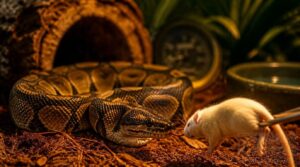
Popularity aside, the ball python runs on its own clock, and it’s a forgiving one.
Hatchlings eat every 5-7 days, juveniles every 7-10 days, adults stretch to 3-6 weeks. Size prey at 10-15% body weight for growing snakes, 7-10% once mature.
African house snakes, one of the best snake species for a 20 gallon tank, adapt well to these feeding schedules and rarely refuse meals.
For a deeper look at sizing and species-specific options, this guide to common snake prey types helps you match the right mammal to your snake’s age and appetite.
Winter often brings seasonal fasting. Keep warm-side temps steady, log every meal, and let those weight trends guide your feeding schedule adjustment.
Corn Snake Feeding Schedule
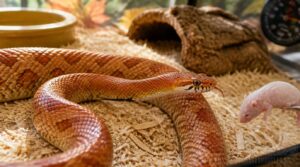
Where the ball python bends its schedule with the seasons, the corn snake stays steady, a dependable feeder with a quick metabolism to match its active nature.
- Hatchlings eat every 5-7 days
- Juveniles need meals every 7-10 days
- Adults hold that same 7-10 day rhythm with larger prey
Size prey to the snake’s thickest point. Skip handling for 48-72 hours post-meal, and expect steady appetite through winter, unlike more seasonal species.
Boa Constrictor Feeding Schedule

Boas take a slower approach than corn snakes. Juveniles eat every 7–14 days; adults settle into 3–4 week intervals as growth stage matching kicks in.
Match prey size to girth, not just age. Warmer enclosures speed digestion, so temperature effect matters here too.
Boas tolerate fasting well. Skip handling for 48–72 hours post-meal, and keep weight logs current.
Small Active Colubrid Schedules

Corn snakes and other small colubrids run on a faster metabolism, so feeding frequency stays tighter: juveniles every 7–10 days, adults holding the same interval. Prey size ratio matters more than age here, staying near 1–2% of body weight.
These snakes thrive on enrichment and activity, so pair feedings with growth stage matching and a feeding log template. Wait 48 hours before handling.
Large Constrictor Feeding Intervals
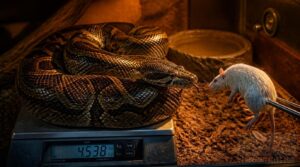
Weigh in, then wait. Large constrictors like boas and Burmese pythons stretch to every 2 to 6 weeks, with prey mass near 8 to 25% of body weight. Bigger meals mean longer digestion, so temperature and life stage shift timing further.
Log each feeding, track body condition, and let fasting tolerance guide you rather than the calendar.
How to Adjust Your Snake’s Schedule

No feeding chart survives contact with a real, living snake. Yours will refuse meals, slow down, or pack on weight, and the schedule needs to bend when that happens. Here’s how to read those signals and adjust with confidence.
No feeding chart survives contact with a real, living snake—be ready to read its signals and adjust
Track Weight and Feeding Records
Numbers don’t lie, and your snake’s scale is the best early warning system you own. Weigh at the same time each day, in grams, and log it with feeding and shedding notes.
Flag any 5% change within 30 days, and back up records weekly. A simple feeding log beats memory every time.
Monitor Body Condition Regularly
Run your hands along the body every few months, feeling for the upside-down U shape that marks healthy condition. Ribs should be palpable but padded, scoring 2.5-3 on the BCS scale.
Adults need checks every 2-3 months, juveniles monthly. Photograph each session. Pair palpation with your weight logs, since body condition scoring catches fat changes numbers alone might miss.
Adjust for Seasonal Appetite Changes
Cold weather changes everything. Shorter daylight and dropping temperatures slow digestion speed, so:
- Cut prey size temporarily
- Space feedings 7-14 days apart
- Track weight monitoring trends monthly
- Cut handling during slowdowns
Seasonal light effects trigger hunger hormones too. Watch body condition, not just the calendar, before resuming normal feeding frequency.
Manage Refusals and Fasting
A refusal isn’t always a red flag. Shedding fasts run 5-14 days, breeding season can stretch 30-120 days, and hide access stress pauses feeding for a week or more.
Log each attempt, tracking temperature and prey type. See a vet past 60 days of refusal, or if weight loss tops 5% monthly.
Prevent Overfeeding and Obesity
A chubby snake isn’t cute, it’s a warning sign. Use body condition scoring (1-9 scale) every 2-3 weeks; scores of 6-7 mean cutting frequency now.
Adjust prey size ratio downward, log each weight, and don’t restart full feedings until scores return near 5. Consistent weight monitoring beats guesswork every time.
Choose Prey and Feed Safely

Knowing when to feed is only half the job, choosing the right prey matters just as much. Size, texture, and handling all play a role in keeping your snake safe and well-fed. Here’s what to keep in mind before the next meal goes in the enclosure.
Use this python feeding schedule by age and weight to pair appropriate prey sizes with your snake’s changing needs.
Match Prey to Snake Girth
Girth, not length, decides if a meal is safe. Measure your snake’s widest neck region with a flexible tape, then match prey circumference to get a 0.8 to 1.0 ratio.
Ball pythons tolerate necks 1.5–2x prey width; boas handle thicker meals; colubrids need closer neck-to-prey fit. Reassess after every shed.
Use Weight-Based Prey Sizing
Numbers back up your eyeballing. Use weight-based sizing: prey weight equals 0.8 times snake girth (mm) in grams. Cap meals at 15% above girth, and target 1.5–2.0% of body weight per feeding for growing snakes.
- Weigh prey monthly, adjusting 0.1–0.2x as girth grows
- Log date, prey weight, snake weight
- Cross-check against body condition scores
Prefer Frozen-Thawed Prey
Once weight-based sizing is dialed in, prey type matters just as much. Frozen-thawed prey beats live every time, whether you keep a ball python or a corn snake. Thaw in cold water or the fridge, never at room temperature, to limit bacterial growth. Warm the exterior briefly for better palatability, and feed within 30 minutes for a steady feeding frequency.
Reduce Live-Prey Injury Risks
Sometimes frozen-thawed isn’t an option, and live prey becomes necessary. If so, never leave prey unattended with your snake. Use blunt-tipped tongs for calm presentation, keep prey in a secure transport container, and feed in a separate feeding tub. Unattended live prey can cause fatal bites within minutes, so stay present the entire time.
Wait Before Post-Meal Handling
Once feeding’s done, resist the urge to pick your snake up. Wait a minimum of 48 hours, longer for corn snakes or after large meals. Ball pythons need 24-72 hours depending on meal size.
Watch for a flattened bulge and relaxed body before handling. Early handling doubles regurgitation risk, damaging your snake’s digestive lining.
Frequently Asked Questions (FAQs)
How frequently should you feed a snake?
Your snake’s age and species set the baseline, adults eat every 1 to 2 weeks. Track digestive efficiency, prey acceptance, and weight monitoring together, then adjust feeding frequency as growth slows or metabolism shifts with the seasons.
How to tell when a snake is hungry?
Ever wonder why your snake’s pacing the glass? That’s increased activity, tongue flicking, and a hunting stance toward you. Watch for jaw readiness, scent tracking, and genuine prey interest, all reliable hunger signs worth logging.
Is it better to feed a snake in the morning or at night?
Either works, but match your species. Evening feeding suits natural hunting instincts as temperatures drop, while morning feeding pairs well with rising heat for faster digestion. Keep the chosen time consistent to reduce stress and support healthy appetite.
Can I feed my snake 2 days in a row?
Back-to-back meals aren’t ideal for most snakes. Digestion takes time, and stacking feedings risks incomplete processing. Age, species, and temperature all affect metabolism, so check your snake’s normal interval before feeding again so soon.
How often should I Feed my snake?
Your feeding interval depends on age and species: hatchlings eat every 5-7 days, juveniles every 7-10, adults every 14- Match frequency to growth rate, temperature, and body condition rather than a fixed calendar date.
During shedding, many snakes skip meals entirely, so reviewing snake feeding and aggression cues during the blue phase helps you adjust your schedule without misreading defensive behavior as hunger.
How do you feed a snake a healthy diet?
Think of it as building a plate, not just tossing food in a bowl. Offer appropriately sized whole prey, keep water fresh, match portions to body girth, and log every meal for consistent, trackable growth.
When is the best time to feed a snake?
Evening feeding timing works best for the best feeding time, matching natural snake activity. Offer prey once temperatures peak and light dims, then respect a 48–72 hour handling wait for calm, stress-free digestion afterward.
Do snakes need a balanced feeding schedule?
A rigid calendar versus a living animal, that’s the tension. Yes, a balanced feeding schedule matters: it tracks growth rate, helps nutritional balance, and guides weight monitoring, while staying flexible enough for seasonal fasting and prey variety.
Can a snake go 2 weeks without food?
Yes. Most adult snakes handle a two-week fast easily, since metabolic rate can drop up to 70%. Track weight weekly and watch for lethargy or sunken eyes, signs that warrant a vet check.
How often should you feed a snake?
Most snakes need feeding every 7 to 21 days, but the right interval hinges on age, species, and temperature. Hatchlings eat weekly, adults stretch to three weeks, and body condition should guide every adjustment you make.
Conclusion
A skinny hatchling and a soft, rounded adult tell two different stories, one of growth, one of risk. The best snake feeding schedule isn’t a fixed calendar. It’s a response to what your snake shows you: weight, shed quality, muscle tone. Weigh monthly, track body condition, and adjust before problems start. Skip a meal sometimes. Your snake won’t complain, and its liver will thank you.