This site is supported by our readers. We may earn a commission, at no cost to you, if you purchase through links.

A 20-gallon tank sounds roomy until you picture a snake stretched across it. A corn snake can hit 5 feet, meaning its body would span that tank twice over. Yet plenty of snakes thrive in exactly this size enclosure, and a few even prefer it.
The trick is matching the snake to the space, not the other way around. Smaller males, burrowing species, and laid-back eaters all fit the bill. Picking the wrong one means shelling out for a bigger setup later, or worse, stressing your snake.
Here are four species that genuinely do well in 20 gallons, plus the setup details that keep them healthy and secure.
Table Of Contents
- Key Takeaways
- Four Snakes That May Fit 20-Gallon Tanks
- Compare Adult Size and Activity
- Build a Safe 20-Gallon Snake Habitat
- Compare Temperament, Feeding, and Lifespan
- Snakes Likely to Outgrow 20 Gallons
- Frequently Asked Questions (FAQs)
- What kind of snake can live in a 10 gallon tank?
- Can a milk snake live in a 20 gallon tank?
- Can a king snake live in a 20 gallon tank?
- What animal can live in a 20 gallon long tank?
- How often should I clean and disinfect the 20-gallon enclosure?
- What substrates work well for snakes in a 20-gallon tank?
- How can I make a 20-gallon enclosure more enriching and comfortable for my snake?
- Can two snakes share a 20-gallon tank?
- How often should I feed my snake?
- What lighting does a 20-gallon snake tank need?
- Conclusion
Key Takeaways
- Only four species genuinely fit a 20-gallon long tank long-term: male Kenyan sand boas (12–18 inches), male western hognose snakes (under 24 inches), African house snakes (2–3 feet), and smaller male garter snakes (12–18 inches).
- Sex matters more than species when choosing—males stay noticeably smaller than females, so always confirm the individual snake’s expected adult size before buying.
- A 20-gallon long tank (30 inches of floor space) works best when set up with a temperature gradient (90–95°F basking down to 75–80°F), two snug hides, 2–4 inches of burrowing substrate, and a locking screen lid to prevent escapes.
- Popular beginner snakes like corn snakes, kingsnakes, milk snakes, and rosy boas will outgrow a 20-gallon tank, so plan for a 40-gallon upgrade or choose a different species from the start.
Four Snakes That May Fit 20-Gallon Tanks
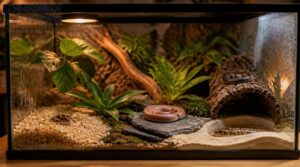
Not every small snake is a good match for a 20-gallon tank, and that surprises a lot of new keepers.
A corn snake, for example, will happily outgrow that 20-gallon starter setup by the time it reaches about 18 inches, so it’s worth comparing beginner corn snake kits before committing to a tank.
The trick is picking species that stay small their whole lives, not just as babies.
Here are four snakes that can genuinely call a 20-gallon enclosure home, plus one important step to double-check before you buy.
Male Kenyan Sand Boas
The male Kenyan sand boa might be the easiest fit here. These little guys reach 12 to 18 inches as adults, so a 20 gallon tank gives them room to spare. Their calm, slow-moving nature makes them great for beginners, and they tolerate handling well once settled. In the wild, these snakes use their dorsally positioned eyes to watch for prey while staying buried in loose sand.
A few things to keep in mind:
- Males stay smaller than females, so sex matters when choosing your snake
- Give them deep substrate, since they burrow most of the day
- Watch substrate safety during feeding to avoid swallowed sand
- Provide a temperature gradient with warm and cool ends
With a locking lid for enclosure security, these boas thrive in modest setups.
Male Western Hognose Snakes
Next up is the male western hognose snake, another great small option. Most adults reach 20 to 34 inches, but males stay on the smaller end, usually under 24 inches. That makes a 20 gallon tank a comfortable fit.
Give them 2 to 4 inches of loose substrate for digging, since their upturned snouts are built for burrowing. Just add a proper temperature gradient and two snug hides.
Small African House Snakes
African house snakes are another overlooked gem for a 20 gallon tank. Adults reach 2 to 3 feet, so most stay a comfortable fit. They’re shy burrowers, hiding under substrate much of the day, which means their enclosure setup should include:
- Deep aspen substrate
- Warm side of 84 to 88°F
- Cool side near 78 to 82°F
- Two snug hides
This beginner snake lives 15 to 20 years, so plan for the long haul.
Smaller Male Garter Snakes
Garter snakes carry a "too wild" reputation, but smaller male garter snakes can genuinely work in a 20 gallon tank. Males top out at 12 to 18 inches, keeping your enclosure setup refreshingly simple.
| Trait | Detail | Care Note |
|---|---|---|
| Adult length | 12–18 inches | Fits a 20-gal long |
| Weight | 15–40 grams | Easy to handle gently |
| Temperature gradient | 75–85°F warm side | Cool side near 70–72°F |
| Feeding schedule | Every 5–7 days | Earthworms, tadpoles, insects |
| Humidity range | 40–60% | Light misting works fine |
Their calm nature makes this a solid beginner snake pick, especially with short, consistent handling sessions.
For more guidance on which species tolerate handling well, check out this guide to handleable snake types.
Confirm Individual Adult Size
Size varies more than you’d expect, even within the same species. Captive-bred specimens often grow differently based on sex, diet, and feeding history.
Before finalizing your species selection, confirm the individual’s adult size:
- Males stay smaller and fit a 20-gallon tank more easily
- Females grow noticeably longer and need more enclosure size
- Feeding history directly shapes the final adult length
Compare Adult Size and Activity
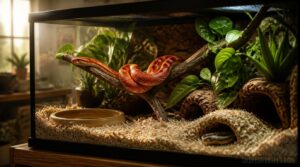
Not every snake that fits today will still fit in a year or two. Size and behavior work together, and both matter when you’re deciding if a 20-gallon tank is a real long-term home or just a starting point. Here’s what to look at before you commit.
Body Length Versus Tank Length
Think of a 20-gallon long tank as about 30 inches of usable floor space. Your snake needs to straighten its full body length without pressing either end. A cramped enclosure restricts turning and builds stress.
A 20-gallon long tank offers about 30 inches of floor space, and your snake should stretch its full body without touching either end
That’s why horizontal space utilization matters most. A species topping out around 24 inches as an adult is a safer match for this enclosure size.
Sex-Based Size Differences
When sizing a snake for a 20-gallon tank, the animal’s sex matters a lot. Males in most species reach a smaller adult size than females.
Male Kenyan Sand Boas top out around 18 inches while females can hit 28. Even Male Corn Snakes run shorter and slimmer than their female counterparts. Sex-based size differences affect head size adaptation too, making males the safer fit overall.
Burrowing Versus Climbing Needs
Not every snake uses its space the same way inside a 20 gallon tank.
- Burrowing species need at least 4 inches of loose substrate
- Temperature gradients should always include a cooler underground zone
- Climbers want vertical fixtures; burrowers want more substrate depth
- Enclosure security keeps diggers from escaping through loose gaps
- Sand Boas and Hognose snakes both show burrowing behavior
Daily Activity and Space Needs
How active your snake is matters as much as its length. Most small snakes in a 20 gallon tank explore in short bursts, then return to a hide. They’re most active at dawn and dusk.
Good temperature gradients encourage movement between warm and cool zones. Add behavioral enrichment like cork bark or plants, and rearrange decor occasionally.
Ground-dwelling species don’t need much room, so a proper enclosure size keeps them content.
Clear Signs to Upgrade
Even a well-planned 20 gallon tank won’t last forever. Watch for these upgrade signs.
If your snake stretches past 60 to 70 percent of the tank length, it’s time. The same goes for constant glass pacing, pressing against the lid, or refusing meals. Poor temperature gradients or hides that no longer fit also count.
Remember, snakes are a longterm commitment. Plan the next enclosure size before your snake’s adult size catches you off guard.
Build a Safe 20-Gallon Snake Habitat
Picking the right snake is only half the job—a safe, well-built habitat is what keeps it healthy for years. The good news is that a 20-gallon tank can work beautifully if you set it up with your snake’s needs in mind. Here are the five essentials to get right before your new pet moves in.
Choose 20-Gallon Long Dimensions
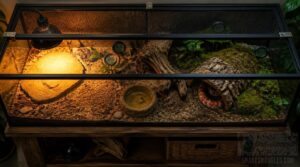
When you shop for a 20 gallon tank, pick the long version, not the tall one. It measures 30 inches long, 12 inches wide, and 12 inches tall. That extra floor space gives burrowers room to roam, and it makes your temperature gradient easier to build. Tall tanks waste vertical space on snakes that never climb.
Expect about 10 to 15 percent less actual water or substrate volume than the label suggests, since glass thickness and substrate depth eat into it. Plan your stand to hold roughly 225 pounds when everything is set up. Secure lids matter too, because snakes are escape artists.
Create Warm and Cool Zones
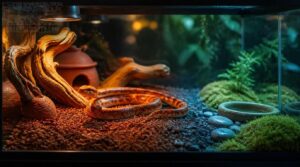
Once your long tank sits level, you’ll want a temperature gradient from a hot side and a cool side. Aim for a basking spot of 90 to 95°F, cooling to 75 to 80°F on the far end.
- Use an under tank heater with a thermostat
- Place probes at substrate level
- Check both zones daily
That thermal gradient lets your snake digest meals properly.
Provide Two Snug Hides
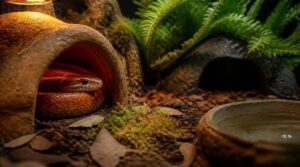
Hides are where your snake feels safe. Place one hide on each end, so the warm and cool zones both offer cover. Each hide should fit snugly, with about 1.5 body diameters of clearance.
| Feature | Why It Matters | Quick Tip |
|---|---|---|
| Size | Snug means secure | Not roomy |
| Entrance | Easy access | Low opening |
| Interior | Grip while moving | Textured walls |
| Material | Holds humidity | Breathable |
Match Substrate and Humidity
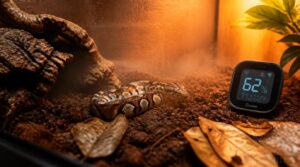
Substrate anchors your humidity. Use aspen or coconut coir, 2 to 3 inches deep, so burrowers like Kenyan sand boas can dig naturally. Aim for 40 to 60 percent humidity, measured with a digital hygrometer near the warm side. Mist lightly, never leaving standing water.
Skip cedar and pine; their oils irritate lungs. Replace the top layer weekly to prevent mold in your 20-gallon tank.
Use a Locking Screen Lid
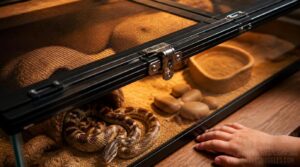
Don’t underestimate a snake’s escape instincts. A locking screen lid is the single best upgrade for your 20 gallon tank, since even a half-inch gap lets a determined sand boa slip out overnight.
Choose lids with spring-loaded hinges and a two-action latch, which resist bumps and curious kids. Good ventilation keeps heat steady while secure lids stay escapeproof.
Compare Temperament, Feeding, and Lifespan
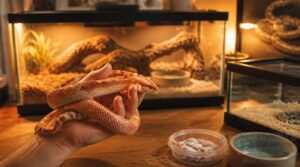
Size and setup only tell part of the story—temperament and daily care matter just as much when you’re picking the right snake. Some species are calm and forgiving with beginners, while others need special prey or more patience.
Here’s how the four best candidates compare on handling, feeding, water needs, lifespan, and where to buy them.
Beginner-Friendly Handling Traits
A calm snake starts with a calm keeper. All four species here have a docile temperament, but your technique matters just as much as their genes. Good handling habits support snake stress reduction and build trust over time.
- Move slowly and stay relaxed, since calm body language keeps your snake settled. For a deeper look at reading your snake’s body language and building handling confidence, snake handling techniques and safety tips walk you through posture cues that signal stress before it escalates.
- Support the chest and tail gently with both hands.
- Keep sessions short, around 5 to 10 minutes at first.
- Handle during daytime, when snake behavioral patterns are predictable.
Watch their handling temperament closely. A flicking tongue and slow movement means they’re comfortable. Hissing or flaring means put them back and try tomorrow.
Prey Types and Feeding Frequency
Feeding these four species is refreshingly simple. All are rodent eaters, so frozen-thawed mice work great. Match prey size to the snake’s head width, and never skip sizes.
| Life Stage | Feeding Intervals |
|---|---|
| Juvenile | Every 5 to 7 days |
| Sub-adult | Every 7 days |
| Adult male sand boa | Every 10 to 14 days |
| Adult hognose | Every 7 to 10 days |
| Adult house snake | Every 7 days |
Hognose snakes occasionally refuse food. Step back a size and retry.
Species-Specific Water Needs
Water needs differ more than you’d expect. Kenyan sand boas drink readily from a shallow water bowl, while hognose snakes enjoy soaking during humid spells. African house snakes often soak after meals to aid digestion, so keep their dish full daily.
Garter snakes drink often and stay hydrated with consistent fresh water. Refresh every bowl a few times weekly, and skip heavy misting for these species.
Expected Adult Lifespans
A 20-gallon snake is a long-term friend. Kenyan sand boas live 20 to 30 years in captivity, while hognose snakes average 12 to 20 years.
African house snakes reach 10 to 20 years, and garter snakes span 6 to 15 years captive. That’s why beginner snakes deserve steady enclosure maintenance and daily temperature monitoring. Good care truly extends lifespan.
Captive-Bred Versus Wild-Caught
Always ask whether a snake is captive-bred or wild-caught before you buy. Captive-bred beginner snakes eat reliably, handle calmly, and arrive parasite-free with health records.
Wild-caught stock often carries parasites, stress, and legal risks, plus needs quarantine before joining your snake enclosure. Buying from reputable breeders keeps your reptile care simple and protects wild populations.
That’s the easy win.
Snakes Likely to Outgrow 20 Gallons
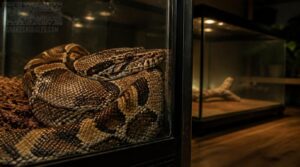
Not every popular pet snake is a good match for a 20-gallon tank, even if it starts out small. Some species grow faster or longer than beginners expect, and a cramped enclosure causes stress and health problems.
Here are five snakes you should plan to upgrade for—or skip for a 20-gallon setup altogether.
Corn Snakes
The corn snake is the classic beginner pet, and for good reason. These calm, nonvenomous constrictors usually reach 3 to 5 feet long. That length is the problem.
A 20 gallon tank works fine for juveniles, but adults need a 40 gallon or larger enclosure with climbing branches and temperature gradients. Provide enrichment and deep substrate, but plan to upgrade.
Rosy Boas
Rosy boas top out at 2 to 3 feet, which sounds manageable, but these snakes are active nocturnal explorers. A 20 gallon tank cramps their movement and limits your ability to create proper temperature gradients. They do best in a 30 to 40 gallon long enclosure with deeper substrate for burrowing comfort.
California Kingsnakes
Like rosy boas, California Kingsnakes quickly outgrow a 20-gallon tank. Adults reach 2.5 to 4 feet, and that length demands more floor space than a standard 20-gallon provides.
There won’t be enough room for proper temperature gradients or meaningful enclosure enrichment, and substrate depth ends up feeling cramped.
A 40-gallon long is the better starting point for this species.
Milk Snakes
Milk snakes top out at 2 to 4 feet, straining any 20-gallon tank. Even Red Milksnakes are no exception. Both need solid temperature gradients, real substrate depth, and enough enclosure size to thrive. A 40-gallon long will fit them better.
- Adults need more enclosure size
- Temperature gradients require floor space
- Substrate depth gets compromised fast
- Red Milksnakes outgrow 20-gallons too
Rough Green Snakes
Rough green snakes reach 22 to 32 inches, so a 20-gallon tank feels cramped fast. Unlike ground-dwelling species, they climb constantly and need vertical space with branches and plants.
Their insectivore diet (crickets, caterpillars) also makes feeding tricky. Proper enclosure enrichment takes height a standard 20-gallon just can’t offer. Give them at least a 30-gallon tall tank instead.
Frequently Asked Questions (FAQs)
What kind of snake can live in a 10 gallon tank?
A 10 gallon tank works only for hatchlings or very small snake species. Most beginner snakes outgrow it fast, so plan a proper enclosure size upgrade before your snake’s habitat setup feels cramped.
Can a milk snake live in a 20 gallon tank?
No, not as a permanent home. Milk snakes reach 2 to 6 feet, so most adults need a 40 gallon breeder or larger. A 20 gallon tank works only for juveniles temporarily.
Can a king snake live in a 20 gallon tank?
Not long-term. Adult kingsnakes hit 3 to 4 feet, so a 20 gallon tank feels cramped. Use one temporarily for juveniles, prioritize escape prevention, then upgrade to 40+ gallons.
What animal can live in a 20 gallon long tank?
A 20 gallon long tank suits male Kenyan sand boas, hognose snakes, African house snakes, and small garter snakes. Avoid corn snakes, king snakes, and milk snakes, which usually outgrow it.
How often should I clean and disinfect the 20-gallon enclosure?
Spot clean daily by removing waste and shedding. Every week, wash décor with hot, soapy water. Do a full disinfection monthly, replacing substrate and rinsing everything thoroughly before returning your snake.
What substrates work well for snakes in a 20-gallon tank?
The wrong substrate can wreck your snake’s lungs overnight, so choose wisely. Aspen shavings suit dry burrowers, while coconut fiber holds 50 to 70 percent humidity. Spot clean daily, replace aspen every 1 to 2 weeks, and use a 2 to 3 inch depth.
How can I make a 20-gallon enclosure more enriching and comfortable for my snake?
Add two snug hides, 2 to 4 inches of burrowing substrate, climbing cork bark, and a damp humidity hide. Keep warm and cool zones steady, check temperatures twice daily, and rotate decor for novelty.
Can two snakes share a 20-gallon tank?
Yes, but rarely. Cohabitation attempts usually fail, causing resource competition and stressrelated health issues.
One 20-gallon tank suits a single snake best. Longterm compatibility demands separate hides, close monitoring, and quick separation if defensive displays appear.
How often should I feed my snake?
Feeding schedules depend on growth stages. Hatchlings eat every 5-7 days, juveniles every 7-10 days, and adults every 10-14 days. Match prey size to your snake’s widest body point.
If your snake turns down thawed meals, you can still offer live prey as a last resort by following these safe live feeding practices for snakes.
Pairing consistent feeding with a proper corn snake enclosure setup ensures your snake stays warm enough to digest each meal effectively.
If you’re unsure whether your setup and feeding routine are on track, our corn snake pet ownership guide walks through the essentials for keeping your snake healthy at every stage.
Keeping your boa on a consistent schedule also reduces stress, which is one of the biggest factors behind defensive behavior — read up on boa constrictor bite prevention and stress signals to better understand what your snake is telling you.
For species-specific guidance, this rainbow boa feeding and care guide breaks down prey sizes and schedules by age in detail.
For more guidance on portion control and timing, top-rated corn snake food brands often come with clear feeding guidelines tailored to each growth stage.
What lighting does a 20-gallon snake tank need?
Some keepers claim snakes need no light at all. That’s not quite true. Provide a 12-hour day cycle and a UVB bulb 6 to 12 inches overhead, placed over the basking spot with a thermostat.
Conclusion
Downsizing isn’t for every snake, but for the right one, a 20-gallon tank becomes a cozy fortress rather than a cramped apartment.
When you ask what snakes can live in a 20 gallon tank, the honest answer starts with a tape measure. Know your species, confirm the sex, and track growth.
A snug snake is a secure snake. Match the animal to the space, and both of you’ll enjoy the arrangement for years.