This site is supported by our readers. We may earn a commission, at no cost to you, if you purchase through links.
Finding a snake curled beside the water heater during a bitter January cold snap can feel impossible. Yet a house can offer the three things a cold snake seeks: steadier temperatures, a dark hiding place, and sometimes a mouse dinner.
Do snakes hibernate in houses? Close, but the better word is brumate. Unlike a hibernating mammal, a brumating snake may wake during a warm spell, shift to another hiding spot, or take a drink.
Knowing where snakes settle and why they came indoors helps you respond more calmly, protect pets, and close the gaps that invited them in the first place.
Table Of Contents
- Key Takeaways
- Yes—Snakes May Brumate in Houses
- How Do Snakes Brumate Indoors?
- Where Do Snakes Hide in Houses?
- Why Do Snakes Enter Houses in Winter?
- What Should You Do About Indoor Snakes?
- Frequently Asked Questions (FAQs)
- How long will a snake stay in your house?
- How do you know if a snake is in your house?
- What smell will keep snakes away from your house?
- What month do snakes go away?
- Can snakes hibernate inside a house?
- Do snakes hibernate in the winter?
- What is snake hibernation?
- Where do snakes go in winter?
- Are snakes more likely to enter homes in winter?
- Do pythons hibernate?
- Conclusion
Key Takeaways
- Snakes can spend winter inside homes, but they usually enter brumation—a low-energy state where they may briefly wake during warmer periods.
- Basements, crawl spaces, wall voids, utility rooms, and cluttered storage areas attract snakes because they offer stable temperatures, cover, moisture, and sometimes rodents.
- If you find a snake indoors, keep people and pets away, don’t handle or trap it yourself, and contact a qualified wildlife removal professional.
- Prevent future visits by sealing gaps around foundations, pipes, vents, doors, and pet doors while reducing rodents, yard debris, and nearby woodpiles.
Yes—Snakes May Brumate in Houses
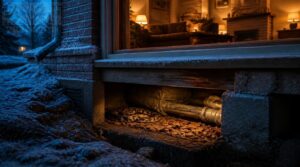
Yes, snakes can spend winter inside a house, especially in sheltered areas with steady temperatures. This is usually brumation, not the deep sleep people often picture as hibernation. Here’s how brumation differs, why a house can appeal to a snake, and how indoor heat may affect it.
For pet corn snakes, secure winter hides for corn snakes help recreate the tight, stable shelters they naturally seek.
Brumation Versus Hibernation
Although people often say snakes “hibernate,” they actually enter brumation. It is a cold-weather slowdown, not a deep mammal-style sleep.
- Metabolism and movement drop
- They may wake briefly
- Body warmth follows surroundings
- Digestion slows sharply
Unlike hibernation, brumation allows occasional drinking or indoor reptile activity. Winter shelter seeking and thermal regulation guide this pattern. Ectothermic dormancy differs because snakes may emerge during warmer winter spells.
Why Houses Provide Winter Shelter
A house can act like an indoor shelter from winter weather. Insulated walls, basements, crawl spaces, and utility areas lose heat slowly, helping snakes conserve energy and regulate body temperature.
Foundation cracks, gaps around pipes, and vents offer easy entry. Once inside, a snake may find quiet cover, moisture, and rodent populations, all without facing freezing outdoor conditions.
Indoor Warmth Interrupts Brumation
Warm rooms can interrupt a snake’s winter rest. Once it reaches a warmer temperature threshold, its metabolic slowdown eases, and it may move around briefly or even digest a small meal.
That doesn’t mean the snake is fully active. An indoor shelter near foundation cracks may simply shorten brumation, with short awakenings between long quiet periods. If you spot one, keep clear and arrange professional removal.
How Do Snakes Brumate Indoors?
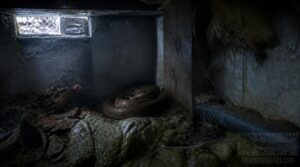
Indoor brumation is usually lighter and less predictable than it is in a natural den. A snake may stay tucked away for long periods, then move when temperatures shift or it needs water. Here’s what that process can look like inside your home.
Reduced Metabolism and Activity
During brumation, a snake’s body runs on low power. This metabolic slowdown is a hibernation alternative: its heart rate, breathing, and movement decline, helping with energy conservation.
- Its metabolic rate drop saves fat.
- Reduced metabolism cools muscles and reactions.
- Body temperature tracks the surrounding space.
- It may barely shift position for days.
- Brief arousal raises circulation, then it settles again.
Eating During Brumation
A dormant snake usually won’t eat. Its metabolic rate drop helps energy conservation, so stored fat carries it through shelter seeking.
During snake blue phase and pre-shed behavior, this fasting response is especially common as vision dulls and hiding feels safer.
| Situation | Likely response |
|---|---|
| Deep brumation | Refuses food |
| Brief indoor warming | May take tiny prey |
A rodent buffet can wake its interest, but large meals may sit undigested. Don’t feed it.
Water Needs During Brumation
In cool indoor shelter, snakes need surprisingly little water. Water conservation improves as their metabolism slows, and fat stores create some metabolic water.
- Keep humidity moderate, not soggy.
- Limit drafts around hiding spots.
- Avoid standing water in cramped spaces.
- Watch for wrinkled skin or weight loss.
- Call a professional, don’t offer water.
Moisture effects matter in hibernation indoors: gentle water absorption may occur, while steady temperature regulation limits dehydration.
Activity During Warm Spells
After two or three sunny, mild days, snakes in houses may briefly stir from brumation. Activity During Warm Spells often peaks late morning through early afternoon, when sun-warmed foundations and wall voids improve temperature regulation.
They may drink, check familiar routes, or seek prey, then slip back into cover before evening. Don’t handle one. Keep pets away and call animal control.
Typical Brumation Duration
Most indoor brumation lasts one to six months, depending on the species, local winter, and how warm the hiding spot stays. A basement thermal refuge may keep a snake only partly inactive, while a colder crawl space allows longer winter survival.
This seasonal behavior change ends when daylight and temperature thresholds rise. Small snakes often wake first because their energy reserves run lower.
Where Do Snakes Hide in Houses?
Snakes usually choose quiet, protected spots that stay fairly stable through winter. They may tuck themselves into areas you rarely check, especially where shelter, moisture, or prey are nearby. Here are the places worth checking first.
Basements and Crawl Spaces
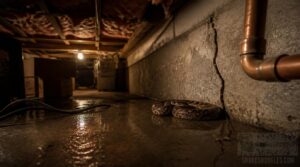
Basements and crawl spaces make handy winter hideouts. They’re dark, quiet, and often damp, with pipes, insulation, and stored boxes offering cover. A snake may settle near a warm utility line or tucked beneath debris.
Check for foundation cracks, loose vents, and unsealed entry points. A sealed crawl space is less inviting. Snakes may use these areas like a small hibernaculum, returning when conditions stay safe.
Attics and Wall Voids
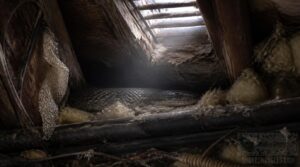
Attics and wall voids can give snakes a quiet, sheltered place to ride out winter. Warm air leaking from living spaces may keep these areas less cold than outdoors, disrupting normal brumation.
Look for shed skin, droppings, or gaps around soffits, pipes, and wiring. Snakes can use wall voids like a small hibernaculum, especially if rodents are present.
Appliances and Utility Rooms
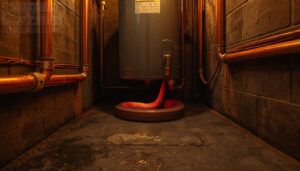
Warmth from furnaces, boilers, washers, dryers, and water heaters can draw a snake into a utility room. It may tuck behind appliances, along pipes, or through utility line gaps, where darkness and steady temperatures feel safe.
Check before moving equipment. Also inspect car engines, storage spaces, and gaps under eaves. Don’t reach blindly; give it room and call an expert.
Cluttered Storage Areas
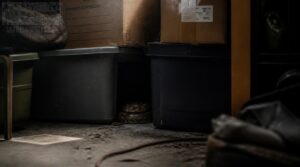
Boxes, bags, and forgotten gear create quiet hiding pockets in storage spaces. Snakes may slip beneath stacked bins in garages, basements, or sheds, especially where cluttered areas stay dark and seldom disturbed.
Keep heavy items low, use clear sealed totes, and leave a two-foot walkway. When sorting, move one item at a time and wear gloves. Never reach into a blind gap.
Porches, Decks, and Foundations
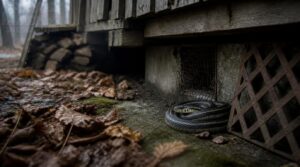
Outside clutter can lead straight to sheltered gaps beneath porches and decks. Snakes may rest along foundations, behind lattice, or near crawl-space vents where the ground stays damp and protected.
Check these common entry points:
- Gaps around pipes or loose skirting
- Unscreened vents
- Cracks beside steps or foundations
Use sturdy mesh for vent sealing, and keep leaves, firewood, and stacked materials away from the house.
Why Do Snakes Enter Houses in Winter?
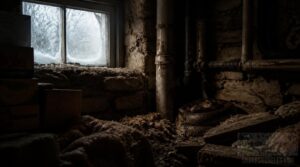
Snakes don’t enter homes in winter because they want to be near people. They’re usually looking for conditions that feel safe, stable, and useful for getting through cold weather. Here are the most common reasons a house can draw them in.
Stable Indoor Temperatures
Stable indoor temperatures can make a house attractive during winter survival. Basements, crawl spaces, and attics often stay less extreme than freezing ground or exposed brush.
| Area | Winter condition |
|---|---|
| Basement | Cool, steady |
| Crawl space | Sheltered |
| Attic | Often warmer |
| Wall void | Protected |
A snake may settle where temperatures change slowly, then become active during a brief warm spell.
Rodents and Other Prey
A quiet rise in rodent activity can draw a snake indoors. Mice and rats find meals in pet food, crumbs, stored grain, and garbage, especially around kitchens, basements, and garages.
When winter brings insect scarcity, prey availability matters more. A snake’s habitat selection follows food as much as shelter. Reducing wildlife intrusion starts with controlling rodents, not chasing the snake.
Damp, Undisturbed Spaces
Damp, undisturbed spaces feel safe to a snake, much like a tucked-away den. Basements, crawl spaces, and sometimes attics can stay cool, humid, and rarely visited.
- Moisture helps prey such as insects.
- Clutter offers cover.
- Low traffic reduces disturbance.
- Damp air slows drying.
Check these areas carefully, especially after wet weather, and keep stored items raised off floors when possible.
Foundation Cracks and Gaps
A tiny crack in your foundation is all a snake needs. Gaps as small as a quarter inch become easy entry points in winter, when snakes are hunting for shelter.
| Crack Type | Risk for Entry | Recommended Action |
|---|---|---|
| Hairline (under 1/8 in.) | Low | Monitor regularly |
| Moderate (1/8–1/4 in.) | Medium | Seal with caulk |
| Wide (over 1/4 in.) | High | Seal and inspect |
| Diagonal or stair-step | Medium-high | Professional check |
| Horizontal | High | Urgent inspection |
A fall foundation inspection helps you catch these gaps early. Plugging them with caulk or hydraulic cement is straightforward habitat sealing and the most effective wildlife exclusion you can do.
Vents, Doors, and Pet Doors
That pet door isn’t just for your dog. Snakes slip through more entry points than you’d expect:
- Unsecured vent openings in walls or attics
- Gaps around door frames and thresholds
- Pet doors left unlatched overnight
- Unscreened crawl space vents
Your foundation inspection should always cover these spots. Screen them off, and you shut down one of winter’s most-used snake highways.
What Should You Do About Indoor Snakes?
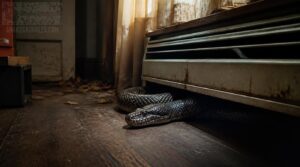
Finding a snake in your house is startling, but panicking won’t help either of you. The good news is there’s a clear, sensible set of steps you can follow to handle the situation safely. Here’s what to do.
Keep People and Pets Away
The moment you spot a snake, keep everyone clear of the area. That means kids, cats, dogs, and curious house guests.
Use baby gates or playpens to block off rooms near likely hiding spots, like cluttered storage areas or crawl spaces. Tell every single household member to stay away, and then wait calmly for a qualified wildlife expert to arrive.
Avoid Handling The Snake
Don’t try to pick up or corner the snake. Even a harmless species may bite when frightened, and a quick ID from across the room can be wrong.
If ophidiophobia makes you panic, step back and breathe. Don’t use brooms, glue boards, humane traps, or household chemicals. An exterminator or wildlife experts can assess it safely and arrange humane relocation.
If fear strikes, step back and let a wildlife professional remove the snake safely and humanely
Contact a Snake Removal Expert
Call a licensed provider experienced in professional wildlife removal. Wildlife experts can identify the likely snake family, choose safe capture methods, and reduce stress for both your household and the animal.
Ask whether they offer:
- State-licensed technicians
- Written estimates
- Humane traps when appropriate
- Humane relocation options
- Clear removal timelines
They can also assess risks around crawl spaces or wiring. Ask whether snake barriers are needed later, but keep the immediate job focused on safe removal.
Seal Potential Entry Points
Once the snake is removed, close the route it used. Inspect basements, attics, crawl spaces, and pipe openings for entry points wider than 1/4 inch.
| Area | Fix |
|---|---|
| Utility gaps | Add foam insulation and sealant |
| Vents | Fit 1/4-inch mesh screens |
Repair window caulk, worn sweeps, and thresholds. Use concrete patch for foundation gaps; have cracks wider than 1/8 inch professionally repaired.
Remove Rodents and Outdoor Clutter
With entry gaps sealed, make the area less inviting. Snakes follow rodent nests, especially in quiet, cluttered areas where mice can feed and hide.
- Seal food and trash tightly.
- Remove pet food after meals.
- Handle yard cleanup regularly.
- Move woodpiles 30 feet away.
- Clear debris removal sites, pallets, and weeds.
This limits prey and shelter, helping snakes avoid your property.
Frequently Asked Questions (FAQs)
How long will a snake stay in your house?
Most indoor snakes leave within six weeks, though some stay days. During brumation, a hibernaculum’s shared warmth and winter hiding spots reduce alertness during dormancy; a warm spell may briefly wake them and prompt departure.
How do you know if a snake is in your house?
Look for shed skin, musky odors, droppings, or wavy tracks in dust. You may hear faint slithering noises at night. Check quiet basements, crawl spaces, attics, and behind appliances carefully, without reaching into hidden areas.
What smell will keep snakes away from your house?
Like an invisible fence, cinnamon and clove oil may discourage some snakes near foundations. Natural snake repellents fade quickly, so prioritize snake fences, lighting deterrents, and reducing habitat encroachment. Ultrasonic repellers have limited proven value.
What month do snakes go away?
In temperate areas, snakes usually go away from regular outdoor activity by November or December, entering brumation. A house hibernaculum may still show shed skin or slithering noises, since reptile behavior shifts during warm spells.
Can snakes hibernate inside a house?
Snug, silent snakes can brumate inside homes, seeking a protected hibernaculum in crawl spaces, attics, or wall voids. Seal gaps and limit rodents to protect your home’s structural integrity and prevent surprise encounters this winter.
Do snakes hibernate in the winter?
Snakes don’t truly undergo mammal-style hibernation. During winter, they enter brumation, slowing down, fasting, and conserving energy in sheltered places such as basements, attics, and woodpiles. Milder days may briefly bring them out for water.
What is snake hibernation?
Snake hibernation, or brumation, is seasonal dormancy. A metabolic rate decrease helps snakes conserve energy in subterranean dens, sometimes in group brumation. They stop eating, breathe slowly, and may briefly stir during warm weather.
Where do snakes go in winter?
When cold arrives, they seek subterranean dens, rock cracks, burrows, and sheltered snake dens. This cold adaptation, called brumation, helps winter preparedness by slowing activity until spring. Some also use dry spaces beneath decks or foundations.
Are snakes more likely to enter homes in winter?
During winter, snakes may enter houses through gaps, seeking steadier temperatures in basements or attics. Rodents make shelter more appealing. For winter preparedness, seal openings and watch for shed skin, though this differs from true hibernation.
Do pythons hibernate?
A python doesn’t truly hibernate. In cooler conditions, it may enter brumation, becoming less active and eating little or nothing. Unlike mammals in hibernation, it can still respond during warm spells, often sheltering in snake dens or houses.
Conclusion
Picture a quiet basement on a freezing night, with a snake tucked behind a furnace like a visitor waiting out the weather.
When you ask, “do snakes hibernate in houses,” remember that brumation is lighter and less predictable than mammal hibernation.
Give the animal space, keep pets back, and call a qualified removal professional if needed.
Then seal gaps and manage rodents, so your home becomes a shelter for your family, not a winter den.