This site is supported by our readers. We may earn a commission, at no cost to you, if you purchase through links.
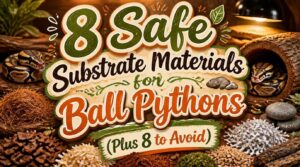
I’ve pulled impacted digestive tracts out of ball pythons that cost their owners upward of $2,000 in emergency surgery, all because of the wrong bedding. Cedar shavings, sand, walnut shells: they look harmless in a pet store bin, but they send snakes into respiratory distress or intestinal blockages within weeks.
Your substrate choice affects humidity, burrowing behavior, and whether your snake breathes clean air or dust-laden particles all day. Picking safe substrate materials for ball pythons isn’t guesswork; it’s chemistry, physics, and a little common sense working together.
Here’s what actually holds up in the enclosure, and what belongs nowhere near it.
Table Of Contents
- Key Takeaways
- Safe Ball Python Substrate Requirements
- Unsafe Substrates to Avoid
- Best Substrate Materials for Ball Pythons
- Top 8 Safe Substrate Products for Ball Pythons
- Ball Python Substrate Setup and Maintenance
- Frequently Asked Questions (FAQs)
- How Often Should I Replace the Substrate for My Ball Python?
- How Do I Know Which Substrate is Best for My Ball Python?
- Are There Any Substrates That Need to Be Avoided for Ball Pythons?
- How Do I Know if My Ball Python is Comfortable in Its Substrate?
- What should I put on the bottom of my ball python tank?
- What not to use for snake bedding?
- What is the best bedding for ball pythons?
- What is the best flooring for a ball python?
- What substrate is good for ball pythons?
- What kind of bedding can I use for my ball python?
- Conclusion
Key Takeaways
- Avoid cedar, pine, sand, gravel, and walnut shells entirely—they cause toxic phenol exposure, respiratory distress, or intestinal impactions that can lead to costly emergency surgery.
- Coconut fiber, cypress mulch, and aspen shavings are your safest bets, each balancing humidity retention, low dust, and burrowing support differently.
- Keep substrate 2 to 4 inches deep, maintain 55-60% humidity (up to 70% during shed), and spot-clean daily to prevent mold and bacteria buildup.
- Do a full substrate replacement every 2 to 3 months, and use a digital hygrometer to catch humidity swings before they cause shedding or respiratory problems.
Safe Ball Python Substrate Requirements
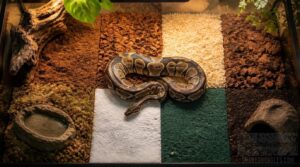
Not every substrate belongs in your ball python’s enclosure, and picking the wrong one can cost you a vet visit down the road. Before you grab whatever’s cheapest at the pet store, you need to know what actually keeps your snake healthy. Here are the five requirements every safe substrate has to meet.
This buyer’s guide to ball python bedding breaks down which materials pass muster and which ones quietly put your snake at risk.
Humidity Retention
Because ball pythons need 55-60% humidity (spiking to 70% during shed), your substrate’s moisture buffering matters more than looks.
Porosity dictates water retention: coconut fiber and sphagnum moss absorb heavily, releasing slowly; cypress mulch buffers steadily; aspen offers modest retention. Balance that against airflow—soggy substrate breeds mold, so pair humidity retention with adequate ventilation, not just water-holding capacity.
Understanding how materials influence moisture retention capacity is key to selecting substrates that support healthy shedding and respiratory function. moisture retention capacity
Non-Toxic Materials
Moisture control means nothing if the substrate itself is poisoning your snake. Stick to nontoxic materials: coconut fiber, aspen shavings, cypress mulch, and paper-based substrates. All resist mold without chemical treatments.
Skip anything dyed, scented, or chemically processed. Natural fiber options stay inert against skin and gut tissue, which matters since your python’s tongue samples everything in that enclosure daily.
Low Dust Levels
Dusty particles irritate lungs fast. Choose low-dust substrates: aspen shavings, coconut fiber, or paper-based options over crumbly loose material.
- Fine powder settling on enclosure glass
- Coughing or wheezing after cage disturbance
- Dust clouds kicked up during digging
- Dry, flaky substrate surface
Spot cleaning and stable humidity limit airborne particles. Damp-cloth surface cleaning beats sweeping. Watch your snake’s breathing—that’s your air quality monitor.
Burrowing Support
Clean air matters, but so does letting your snake dig like one in the wild.
Give it substrate depth of 2 to 4 inches—Fiber Interlock in coconut fiber or cypress mulch creates Tunnel Stability so burrows don’t collapse.
Proper Soil Compaction offers natural burrowing support and real burrowing enrichment, satisfying instinctive burrowing behavior without constant re-digging.
Easy Waste Cleanup
Nobody enjoys scooping waste, so pick substrate that makes it painless. A simple waste catcher setup or contrasting waste zone visuals helps you spot soiled patches fast during daily spot cleaning.
Deep bedding layers let droppings sink below the surface, while waste absorption materials like paper towels handle urine without compaction. Good waste encapsulation means better enclosure hygiene, easy maintenance, and fewer vet bills down the road.
Unsafe Substrates to Avoid
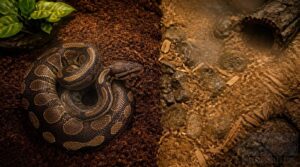
Not every bag on the pet store shelf belongs in your snake’s enclosure. Some materials look harmless but carry real risks, from toxic fumes to gut-blocking impactions. Here are five substrates you should keep far away from your ball python.
Cedar and Pine
That pleasant campfire smell? It’s toxic to your snake. Cedar releases phenolic compounds causing respiratory and neurological damage, while pine resin irritates airways when warmed by heat lamps. Both trigger respiratory irritation and infections in enclosed spaces.
Skip aromatic woods entirely—reach for coconut fiber or aspen instead. Your python’s lungs will thank you, and you’ll avoid costly vet bills.
Sand and Gravel
Loose grains under 2mm might look natural, but they’re an ER visit waiting to happen. Sand ingestion causes life-threatening intestinal impactions—your python can’t digest it. Gravel’s angular particles worsen the risk, damaging digestive tissue on the way down.
Both also generate airborne dust, triggering respiratory irritation. Drainage efficiency doesn’t matter if the substrate itself sends your snake into surgery.
Walnut Shells
Marketed as "natural," walnut shells hide real dangers. Roughly half the shell is lignin, giving it a hard, abrasive texture that scrapes delicate gut lining, raising gastrointestinal impactions risk.
Broken fragments carry sharp edges, worsening ingestion impaction risk and intestinal blockage risk. While not identical to cedar’s toxic phenols, dust exposure still triggers respiratory and mild neurological effects—reason enough to skip this substrate entirely.
Scented Bedding
That pine-fresh smell? It’s a red flag, not a selling point. Fragrance additives and toxic oils irritate your snake’s skin and eyes, sometimes triggering the same phenolic compound reactions seen with cedar shavings, pine shavings, and thujone exposure.
Perfumes disrupt air quality in enclosed tanks, stressing respiratory function. Skip "odor management" through scent—stick with unscented substrates and consistent spot-cleaning instead.
Dusty Substrates
Ever open a bag of substrate and watch a cloud puff out? That’s your warning sign. Fine particles (1–100 μm) stay airborne, irritating airways and raising respiratory infection risk.
Low humidity worsens dust kick-up. Choose dust free aspen shavings over sand or paper-based substrates, dampen bedding before handling, and monitor air quality to keep both you and your snake breathing easy.
Best Substrate Materials for Ball Pythons
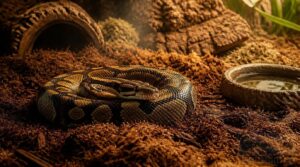
Now that you know what to avoid, let’s talk about what actually works. The right substrate checks every box: safe, absorbent, and built to hold humidity without turning into a mold farm. Here are five materials that consistently earn a spot in healthy ball python enclosures.
Coconut Fiber
Also called coir, this fiber comes from ripe coconut husks and delivers serious humidity retention without waterlogging your enclosure. It resists mold naturally, generates minimal dust, and stays biodegradable.
Damp, not soaked, is the rule—soggy coir invites bacteria and respiratory infections. Mix it into bioactive soil for burrowing support, or use it straight; either way, it’s cost-effective in bulk.
Coconut Husk
Whole husk takes coir one step further, keeping fiber bound in its natural spongy matrix for stronger humidity buffering and denser burrowing texture. High lignin content resists rot and mold, so it holds up longer than loose coir.
Processed correctly, it’s a genuinely low dust option—just check particle size before buying, since coarse chunks can trap waste and complicate cleanup.
Cypress Mulch
Coarser than coir, cypress mulch forms a dense mat that buffers humidity swings and encourages light burrowing behavior—its reddish hue looks sharp in naturalistic setups, too.
Keep substrate depth at 1–2 inches, spot clean daily, and swap the top layer every 2–4 weeks. In humid enclosures, watch closely: poor airflow invites mold fast, so mold prevention means balancing moisture with ventilation, not overloading bedding.
Sphagnum Moss
Sphagnum moss soaks up 20 times its own weight in water, giving your enclosure real humidity control right when shedding season hits.
Sphagnum moss can absorb twenty times its own weight in water, delivering real humidity control right when your snake needs it most for shedding
Its acidity offers natural antimicrobial protection while nudging soil pH downward—handy in bioactive soil setups.
- Fewer stuck-shed vet visits
- Steadier moisture regulation
- Healthier microbial balance
- Less daily misting hassle
Layer it thin; soggy mats invite mold, undoing your humidity retention gains fast.
Aspen Shavings
Kiln-dried and low in aromatic oils, aspen shavings won’t trigger the respiratory infections linked to cedar shavings or pine shavings. That’s real substrate safety, not marketing spin.
Aspen’s fibrous texture resists compaction, allows light burrowing, and dries fast after misting—no soggy zones inviting mold. Budget-friendly and dust-conscious, it’s a smart pick if you skip the fragranced varieties. Check bags for chemical additives before buying.
Top 8 Safe Substrate Products for Ball Pythons
Knowing which materials are safe is one thing, but picking an actual product off the shelf is where most owners get stuck. Prices, textures, and brands vary more than you’d think, and not every bag labeled "reptile bedding" performs the same in your enclosure. Here are eight tried-and-tested options worth your money.
1. Kaytee Aspen Pet Bedding
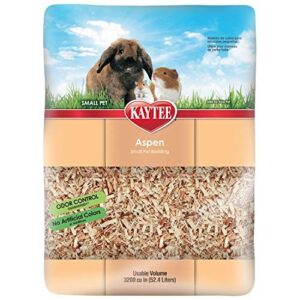
Six and a half pounds of shavings for the price of a fast-food meal—that’s the appeal of Kaytee Aspen Pet Bedding. It’s kiln dried, made from 100% natural aspen with no aromatic oils or inks, and processed to stay 99.9% dust-free, which matters when your snake’s book lungs sit just inches from the substrate surface.
The loose, soft texture lets your ball python push through it and nest the way instinct tells it to. Waste absorption is solid, so spot cleaning stays manageable between full changes.
Here’s the catch: aspen doesn’t hold humidity like coconut fiber or cypress does. You’ll need a reliable hygrometer and possibly a moist hide to keep shed cycles on track, especially in drier climates.
| Best For | Ball python and other snake owners who want an affordable, dust-free, natural bedding and are willing to monitor humidity separately. |
|---|---|
| Material | Aspen shavings |
| Dust Level | 99.9% dust-free |
| Humidity Retention | Low |
| Burrowing Support | Yes |
| Chemical-Free | Yes |
| Reusable Long-Term | Yes |
| Additional Features |
|
- 99.9% dust-free, which is safer for pets with sensitive respiratory systems
- No added aromatic oils or inks, reducing risk of irritation
- Loose, soft texture supports natural burrowing and nesting behavior
- Doesn’t retain humidity well, so shed cycles may need extra monitoring
- Not suitable for pets with known aspen sensitivities
- Bulkiness may not work well in very small or tightly confined enclosures
2. Galapagos Cypress Mulch Bedding
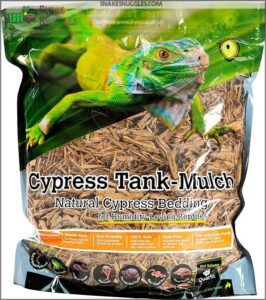
If your enclosure runs dry no matter how often you mist it, cypress mulch earns its keep. Made from 100% sustainable cypress wood, this bag absorbs moisture fast and buffers swings that push scale rot or bad sheds.
Lay it 2 to 3 inches deep and your snake will push through it just fine, since the chunky pieces mimic a real forest floor. Galapagos washes and sieves out the fine dust, so respiratory risk stays low compared to unprocessed mulch.
At $14.99 for 8 quarts, it’s priced like most mid-tier substrates. You’re getting a chemical-free, parasite-free bedding that resists mold better than shavings—though damp conditions still call for regular hygrometer checks and spot-cleaning between full changes.
| Best For | Keepers of humidity-loving reptiles like ball pythons, iguanas, and frogs who need a substrate that holds moisture and supports natural burrowing. |
|---|---|
| Material | Cypress mulch |
| Dust Level | Sieved, low dust |
| Humidity Retention | High |
| Burrowing Support | Yes |
| Chemical-Free | Yes |
| Reusable Long-Term | Yes |
| Additional Features |
|
- Absorbs and buffers humidity swings, helping prevent scale rot and bad sheds
- Washed and sieved to remove fine dust, keeping respiratory risk low
- Chemical-free, salt-free, and parasite-free for safer bedding
- Not suitable for arid or desert species
- Breaks down over time and eventually needs full replacement
- Requires regular hygrometer checks and spot-cleaning to avoid mold in damp setups
3. Zoo Med Aspen Snake Bedding
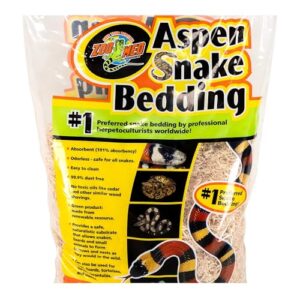
Budget shouldn’t force you into a risky substrate, and Zoo Med Aspen proves it. Made from 100% natural aspen shavings with zero oils or additives, it’s 99.9% dust-free, protecting your snake’s lungs far better than cheap unprocessed wood chips.
At roughly $8 for 8 quarts, you’re paying pennies per day for bedding that absorbs moisture at a 191% rating—handy for soaking up spilled water bowls and waste before bacteria sets in.
Here’s the catch: aspen just doesn’t hold humidity like coconut fiber or cypress does. You’ll be misting daily, sometimes twice, to keep your enclosure in that 55-60% sweet spot. Pair it with a solid hygrometer and you’ll catch dry spells before they cause shedding problems.
| Best For | Budget-conscious owners wanting natural, burrowable bedding |
| Absorbency | 191% |
| Dust Content | 99.9% dust-free |
Best For: Budget-conscious reptile, bird, or invertebrate owners who want a natural, dust-free substrate that supports burrowing without breaking the bank.
| Material | Aspen shavings |
|---|---|
| Dust Level | 99.9% dust-free |
| Humidity Retention | Low |
| Burrowing Support | Yes |
| Chemical-Free | Yes |
| Reusable Long-Term | Yes |
| Additional Features |
|
- 99.9% dust-free formulation helps protect respiratory health
- High 191% absorbency rating keeps enclosures dry and odor-free
- Made from renewable, non-toxic aspen wood safe for a wide range of small pets
- Doesn’t retain humidity well, so it’s a poor fit for species needing moist environments
- Light color shows soiling more easily than darker substrates
- Not safe for animals prone to ingesting substrate, due to impaction risk
4. Zoo Med Forest Floor Bedding
Picture a rainforest floor after a storm, that’s the look Zoo Med is going for here. This 100% cypress mulch comes ground from bark, not heat-treated, so it keeps its natural moisture absorption intact and holds humidity between 55-60% without pooling water at the bottom.
It lays flat rather than clumping, which cuts down on hiding spots for crickets and other live feeders. That’s a small win if you’re free-feeding. Depth-wise, keep it shallow, just enough to cushion your snake without inviting deep excavation.
Dust can be an issue with this one, so shake out a handful before adding it and watch for respiratory irritation. Spot clean daily and you’ll avoid mold before it starts.
| Best For | Reptile and amphibian keepers who need a natural, humidity-holding substrate for tropical species like snakes, lizards, tortoises, and tarantulas. |
|---|---|
| Material | Cypress mulch |
| Dust Level | Can be dusty |
| Humidity Retention | High |
| Burrowing Support | Limited |
| Chemical-Free | Yes |
| Reusable Long-Term | Yes |
| Additional Features |
|
- Holds humidity well without pooling water at the base
- Lays flat instead of clumping, giving feeder insects fewer places to hide
- All-natural cypress mulch gives enclosures an authentic forest-floor look
- Can be dusty out of the bag, which may irritate sensitive respiratory systems
- Needs regular monitoring and spot cleaning to prevent mold
- Not a "set it and forget it" substrate, it requires active upkeep to stay in good shape
5. Zoo Med Coconut Fiber Substrate
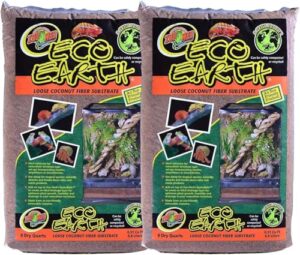
One brick, one bucket of water, and you’ve got a swampy-smelling problem solved. Zoo Med’s compressed coconut fiber expands to roughly seven or eight liters, giving you loose, fluffy bedding that holds humidity in the 55-60% range without turning soggy underfoot.
The husk fibers arrive dust-free, which matters more than you’d think, since chronic dust exposure irritates a snake’s respiratory lining over months of use. You can spot-clean waste pockets without tearing out the whole layer, and the material breaks down odors naturally rather than masking them.
Keep depth around 4 to 6 inches so your python can burrow properly. It suits bioactive setups just as well as bare-bones enclosures, and at 6.36 pounds per pack, it’s light enough to handle during routine changes without straining your back.
| Best For | Reptile, amphibian, and invertebrate owners who need a natural, high-humidity substrate for tropical species like burrowing pythons or hermit crabs. |
|---|---|
| Material | Coconut fiber |
| Dust Level | Dust-free |
| Humidity Retention | High |
| Burrowing Support | Yes |
| Chemical-Free | Yes |
| Reusable Long-Term | Yes |
| Additional Features |
|
- Expands into fluffy, dust-free bedding that holds humidity well without getting soggy
- Naturally breaks down waste and odors instead of just masking them
- Compostable and versatile enough for bioactive setups, drainage layers, or even garden use afterward
- Moisture content can vary between batches, so results aren’t always consistent
- Some packs may arrive drier than expected depending on their age
- Pack counts per order have been reported as inconsistent by some users
6. ReptiChip Coconut Reptile Substrate Bedding
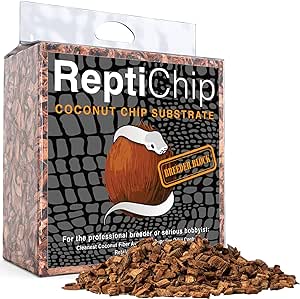
If Zoo Med’s brick felt small, ReptiChip solves that problem with volume. One 12-inch compressed block yields 72 quarts, close to 2.5 cubic feet, once you’ve soaked and broken it apart.
That’s nearly ten pounds of loose coconut chips from a single brick weighing under ten pounds dry, which makes this one of the better cost-per-quart options on the market. The chips hold humidity in that 55-60% range your python needs, and they resist compacting, so burrowing stays easy even after weeks of use.
Dust content stays minimal, protecting airways that are more sensitive than you’d guess. You can re-wet dried patches instead of tossing the whole layer, and the 100% organic composition means accidental ingestion during feeding won’t send you into panic mode.
| Best For | Reptile and amphibian owners keeping humidity-loving species like ball pythons, leopard geckos, bearded dragons, hermit crabs, or tortoises who want an affordable, high-yield substrate for burrowing and breeding setups. |
|---|---|
| Material | Coconut chips |
| Dust Level | Minimal dust |
| Humidity Retention | High |
| Burrowing Support | Yes |
| Chemical-Free | Yes |
| Reusable Long-Term | Yes |
| Additional Features |
|
- Expands from a compact 9.92-lb brick into 2.5 cubic feet (72 quarts) of substrate, offering excellent cost-per-quart value
- Maintains humidity well and resists compacting, making it easy for pets to burrow even after weeks of use
- Minimal dust and 100% organic composition mean safer air quality and less worry if a pet accidentally ingests some during feeding
- Requires soaking and breaking apart before use, which adds prep time compared to ready-to-use substrates
- Can retain too much moisture if overwatered, raising the risk of mold in enclosures with poor ventilation
- Not suitable for desert species, and the organic material will eventually break down and need full replacement
7. Scott Kimberly Clark Shop Towels
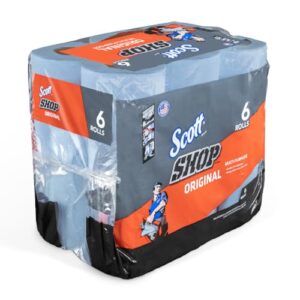
Not every good substrate comes from a pet store shelf. Scott Shop Towels, the blue kind sold at any auto parts counter, earn a spot on this list for a narrow but genuinely useful job: sterile temporary bedding during quarantine, illness, or post-surgical recovery.
Each towel measures roughly 8.75 by 13.25 inches, absorbs oil and grease-level liquids without shredding, and stays intact when soaked. That toughness matters clinically. You need to see feces, urates, and possible parasites clearly, and plain paper towel disintegrates into useless pulp exactly when you need it most.
They’re not cheap for daily use, and they’re not intended for permanent enclosures. But for a snake recovering from surgery or under observation for illness, a flat, tear-resistant, easy-to-monitor surface beats anything decorative you’d normally choose.
| Best For | Reptile keepers who need a sterile, tear-resistant surface for monitoring sick or post-surgical snakes during quarantine and recovery. |
|---|---|
| Material | Cellulose towel |
| Dust Level | N/A |
| Humidity Retention | N/A |
| Burrowing Support | No |
| Chemical-Free | Yes |
| Reusable Long-Term | No |
| Additional Features |
|
- Stays intact even when fully soaked, making it easy to spot feces, urates, and parasites for health checks
- Tear-resistant and heavy-duty, so it won’t shred or disintegrate like standard paper towels
- Convenient roll format makes dispensing and replacing bedding quick and simple
- Not designed for food contact or hygiene use, so it’s strictly a utility product, not a pet-safe item by intended design
- Single-use and disposable, which can add up in cost for regular or long-term use
- Not suitable as permanent enclosure bedding, limiting it to short-term or clinical situations
8. Riare Coconut Husk Reptile Substrate
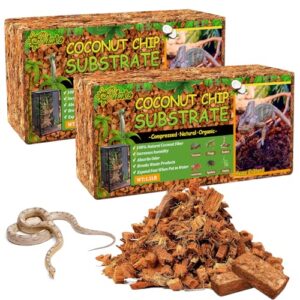
Shop towels handle recovery cases well, but for everyday burrowing behavior, coconut husk still leads the pack. Riare’s version ships as compressed bricks that expand into soft, fibrous bedding after a ten-to-fifteen-minute soak in warm water.
Each brick runs 8.2 by 4.1 by 2.2 inches dry and expands to roughly 30 liters of usable substrate once hydrated—enough volume from two packs to fill a standard enclosure with room to spare. The chunky texture resists compacting, which lets your snake tunnel without the substrate collapsing behind it.
Expect to pick through the expanded material first. Some batches contain stray debris, so a quick sort before placement is worth the five minutes it takes.
Once sorted, this substrate holds moisture well, encourages natural digging, and keeps humidity stable between waterings—making it a solid, budget-conscious option for ball python enclosures.
| Best For | Reptile owners who want a natural, burrow-friendly substrate for snakes, tortoises, frogs, and lizards, especially in humidity-sensitive enclosures like ball python setups. |
|---|---|
| Material | Coconut husk chips |
| Dust Level | Free from dust |
| Humidity Retention | High |
| Burrowing Support | Yes |
| Chemical-Free | Yes |
| Reusable Long-Term | Yes |
| Additional Features |
|
- Chunky texture supports digging and burrowing without collapsing or scratching delicate skin
- Retains moisture and absorbs odors well, helping maintain stable humidity and a cleaner enclosure
- Two packs expand to roughly 30 liters, offering generous coverage for a standard enclosure
- Requires a soak in warm water before use, so it’s not ready straight out of the package
- Needs periodic misting to keep humidity levels where you want them
- Some batches include stray debris, so a quick sort before adding it to the enclosure is recommended
Ball Python Substrate Setup and Maintenance
Picking the right substrate is only half the job—how you set it up and maintain it matters just as much for your snake’s health.
Depth, cleaning frequency, and humidity checks all work together to prevent the respiratory issues and scale rot we talked about earlier.
Here’s what proper setup and upkeep actually look like, day to day.
Proper Substrate Depth
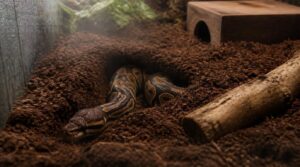
Depth isn’t decorative — it’s functional. Aim for 2 to 4 inches across the enclosure floor, giving your snake real burrowing space and steady humidity retention depth.
Thin layers of aspen shavings dry out fast; coconut fiber or cypress mulch hold moisture better at 3-4 inches.
Keep substrate layer consistency even — uneven patches create dry zones and burrowing headaches.
Spot Cleaning Schedule
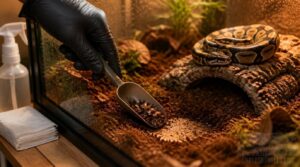
Daily is the rule, not the exception — waste sitting in warm, humid substrate breeds bacteria fast.
Look for cylindrical brown feces and chalky white urates, then scoop with a gloved hand or dedicated tool. Wipe the spot with a reptile-safe cleaner or 70% isopropyl alcohol. Replace only that section to protect humidity stability, and watch for lingering odor or mold.
Full Bedding Changes
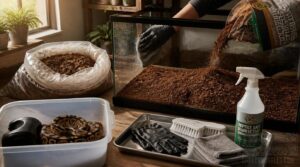
Occasionally, spot cleaning isn’t enough — go full strip-down every 4 to 6 weeks, sooner if odor lingers past 2 days. Remove all substrate, disinfect surfaces, rinse, and dry completely before replacing. Bioactive setups need changes every 2 to 6 weeks.
- Bag and dispose per local waste rules
- Sanitize tools and gloves after
- Layer fresh substrate evenly
- Log date and observations
Humidity Monitoring
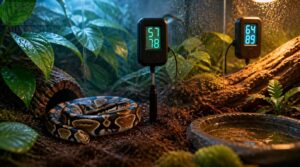
Since substrate humidity drifts fast, a digital hygrometer earns its keep. Place one centrally, another near the basking zone, for true microclimates. Set alert thresholds at 10% deviation, log readings every 5–15 minutes, and recalibrate monthly—accuracy within 5% keeps you honest.
| Sensor Task | Frequency |
|---|---|
| Calibration | Monthly |
| Battery check | Monthly |
| Cross-check | Monthly |
| Probe cleaning | As needed |
| Replacement | 12–18 months |
Mold Prevention
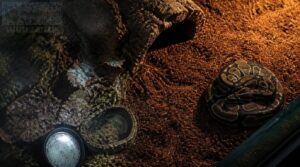
Mold thrives wherever moisture lingers, so moisture control matters as much as humidity retention. Keep humidity at 55–60%, dry spot-clean areas immediately, and make sure air circulation across the enclosure.
Coconut fiber offers natural mold resistance, but any substrate needs surface drying between misting. Watch for musty odors or white fuzz—early signs demand full substrate replacement, not spot treatment.
Frequently Asked Questions (FAQs)
How Often Should I Replace the Substrate for My Ball Python?
Plan on a full substrate replacement every 2 to 3 months, spot cleaning waste every 2 to 3 days. Humidity, enclosure size, and waste buildup all shift that schedule, so let odor, mold, and moisture guide your timing.
How Do I Know Which Substrate is Best for My Ball Python?
Run a quick non-toxic material check, test for dust, and confirm humidity retention. If it allows burrowing, resists mold, and makes waste cleanup easy without triggering respiratory infections, you’ve found the right substrate safety match.
Are There Any Substrates That Need to Be Avoided for Ball Pythons?
Yes. Cedar and pine shavings release toxic phenolic compounds harming lungs. Sand and walnut shells risk deadly impaction. Dusty, aromatic substrates irritate airways and trigger stress. Skip these entirely — your snake’s respiratory and digestive health depend on it.
How Do I Know if My Ball Python is Comfortable in Its Substrate?
Watch for active burrowing and smooth gliding through substrate, calm exploration between hides, normal feeding, and quick, tolerant reactions to spot cleaning—signs of good humidity response, shedding comfort, and healthy substrate depth.
What should I put on the bottom of my ball python tank?
The softest substrate can still cause the hardest problems. Layer coconut fiber or cypress mulch two to four inches deep, mix in sphagnum moss for humidity, and skip loose aspen if you’re worried about impaction risks.
What not to use for snake bedding?
Skip cedar shavings and pine shavings — their phenolic compounds irritate lungs and skin. Avoid sand and walnut shells, both impaction hazards, plus scented or dusty bedding, which trigger respiratory issues and mask early illness signs.
For a closer look at which bedding suits your snake’s species and humidity needs, this guide to choosing the right snake substrate breaks down the safest options.
What is the best bedding for ball pythons?
No single product wins outright. Coconut fiber and cypress mulch excel at humidity retention and natural insulation, while aspen shavings offer a dust-free option with easier cleanup. Match substrate to your snake’s burrowing tendencies and your maintenance schedule.
What is the best flooring for a ball python?
There’s no single "best" flooring — it depends on your goals. Coconut fiber and cypress mulch excel at humidity retention and burrowing, while aspen shavings offer easy waste cleanup and dust reduction for simpler thermal regulation setups.
What substrate is good for ball pythons?
Good ball python substrate holds humidity control between 50-60%, spiking to 70% for sheds. Coconut fiber, cypress mulch, and aspen shavings each support burrowing at a substrate depth of 2-4 inches, matching different budgets and maintenance routines.
What kind of bedding can I use for my ball python?
Reach for coconut fiber, cypress mulch, aspen shavings, sphagnum moss, or plain paper towels. Each holds humidity differently, so match your pick to burrowing needs, dust sensitivity, and how often you’re willing to spot-clean.
Conclusion
Funny thing: the cheapest bag on the shelf usually costs the most in vet bills. Cedar looks cozy; it’s a respiratory emergency waiting to happen. Sand feels natural; it’s an impaction risk with a $2,000 price tag.
Safe substrate materials for ball pythons aren’t flashy—coconut fiber, cypress mulch, aspen shavings—but they let your snake burrow, breathe, and digest without incident. Skip the gimmicks. Your snake doesn’t need Instagram-worthy bedding. It needs substrate that won’t kill it.