This site is supported by our readers. We may earn a commission, at no cost to you, if you purchase through links.

A poorly drained substrate can turn a bioactive tropical enclosure into a bacterial sink within weeks. The organic matter meant to fuel your cleanup crew begins decomposing anaerobically, humidity climbs past safe thresholds, and your snake starts showing early signs of respiratory stress long before anything looks visibly wrong.
Getting a snake enclosure setup for tropical species right means building from the drainage layer up, with each component supporting the next. The dimensions, materials, climate parameters, and bioactive elements all work together, and getting each one right is the difference between a habitat that thrives and one that slowly fails.
Table Of Contents
- Key Takeaways
- Choose a Secure, Properly Sized Tropical Snake Enclosure
- Build The Drainage, Substrate, and Bioactive Habitat Layers
- Set Heat, Humidity, Lighting, and Cycle The Enclosure
- Top 5 Tropical Snake Enclosure Setup Essentials
- Frequently Asked Questions (FAQs)
- What is included in a snake tank setup guide?
- What is a snake enclosure?
- How long should a snake enclosure be?
- How do I choose the right snake enclosure size?
- How to set up a bioactive snake enclosure?
- What not to put in a snake enclosure?
- How to properly set up a snake enclosure?
- What should be in a snake enclosure?
- What is the best way to prevent mites?
- How often should tropical snakes be fed?
- Conclusion
Key Takeaways
- A poorly drained substrate is the single most common cause of enclosure failure, as compacted or anaerobic conditions silently push humidity beyond safe levels and trigger respiratory stress before any visible signs appear.
- Building from the bottom up—drainage layer, mesh separator, bioactive substrate, then leaf litter—is the structural foundation that determines whether a tropical enclosure thrives or slowly collapses.
- A working cleanup crew of isopods and springtails isn’t optional in a bioactive setup; they actively break down waste and mold, reducing how often you need to intervene or replace substrate.
- Every climate variable—heat gradient, humidity, UVB lighting, and day/night cycling—must be dialed in and controlled simultaneously, because tropical snakes rely on the whole system, not any single element, to thermoregulate and stay healthy.
Choose a Secure, Properly Sized Tropical Snake Enclosure
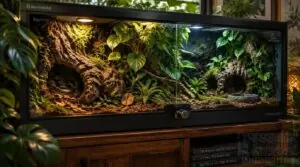
Two factors determine whether your tropical snake enclosure will actually succeed: enclosure size and enclosure security. Get either wrong and you’re managing escapes, chronic stress, or worse.
If you’re moving between states with your snake, boa constrictor enclosures built for traveling keepers solve both problems at once—containment and climate—without compromise.
Size and security are the only two things standing between your tropical snake and disaster
For most tropical species, the enclosure should measure at least 1.5 times the snake’s total length. Arboreal species need significant vertical height as well. PVC vivariums are the strongest material choice because they resist moisture, won’t warp, and clean far more easily than wood alternatives.
A lockable sliding latch and sealed door edges are non-negotiable for solid enclosure security. Tropical snakes apply constant lateral pressure and locate gaps quickly. Add secure hides on both the warm and cool ends so your snake can thermoregulate without feeling exposed or vulnerable anywhere in the enclosure.
Build The Drainage, Substrate, and Bioactive Habitat Layers
Once your enclosure is secure, layer the interior in three distinct sections.
Start with a drainage layer of 5-10 cm of LECA or coarse gravel. Place a fiberglass mesh separator directly on top to stop your substrate composition from sinking into the drainage zone.
On top of the mesh, build your moisture-retentive substrate 8-15 cm deep. A coconut coir, organic topsoil, and orchid bark mix won’t go anaerobic. Aim for 12-20% surface moisture by weight. Pre-blended reptile substrate mixes take the guesswork out of ratios, ensuring consistent texture and moisture retention from the start.
Add your bioactive cleanup crew last to complete the living system: Starting with a quality bioactive cleanup crew kit gives you a balanced mix of isopods and springtails ready to establish quickly.
- Inoculate isopods and springtails at 1-2 adult groups per 10 L of substrate
- Introduce leaf litter at 5-15% of substrate volume to support fungal breakdown
- Monitor microfauna density every few months to prevent overpopulation
Set Heat, Humidity, Lighting, and Cycle The Enclosure
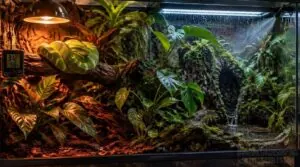
Your layered habitat is built, so now you control the climate inside it. Position thermostat-controlled heat sources under one end to create a basking zone of 28–32°C, keeping the cool side 5–12°C lower. At night, drop temperatures to 21–24°C.
Humidity control comes next. Mist once or twice daily to hold surface moisture near 70–80%, relying on your drainage layer to shed excess water. Keep airflow moving so humidity peaks midday without turning stagnant.
Run UVB lighting at 5–6% for 4–6 hours daily on a 12:12 cycle, with 30–60 minute dawn and dusk ramps. Blackout the enclosure fully at night.
For a deeper look at how lighting fits into your overall setup, the ball python temperature, humidity, and lighting guide covers how to balance all three environmental factors for a thriving enclosure.
Top 5 Tropical Snake Enclosure Setup Essentials
Each layer of your bioactive setup depends on the right materials working together. The five products below cover the essentials: drainage, separation, substrate, leaf litter, and cleanup crew. Choose them in order and you’ll build a stable tropical enclosure from the bottom up.
1. ZeeDix Organic Leca Terrarium Substrate
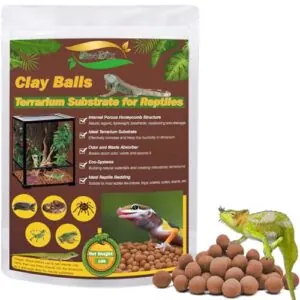
Picture a rainforest floor after a downpour: water vanishes into the earth within minutes, leaving the surface damp but never swampy. ZeeDix Organic Leca recreates that effect inside your snake’s habitat.
These 100% natural clay balls are baked at high temperatures, giving them a hard exterior and a porous honeycomb interior. That structure lets each ball absorb moisture, release it slowly, and keep air moving through the lower substrate where roots and microfauna live. You avoid the stagnant water that breeds mold and bacteria in tropical setups.
Rinse the pebbles two or three times before use; baking and shipping leave dust and soluble residue you don’t want in a humid enclosure. Then build a 2-to-3-inch drainage layer, topped with mesh or filter fabric to keep soil from clogging the voids.
The balls range from 4mm to 16mm, so they’re too coarse for tiny species. They’re reusable, though: rinse, dry completely, and sanitize between uses.
| Best For | Reptile keepers and terrarium builders who want a reusable, natural drainage layer for tropical setups housing tortoises, frogs, snakes, turtles, lizards, or invertebrates. |
|---|---|
| Material Type | Natural clay |
| Enclosure Layer | Drainage layer |
| Pre-Use Prep | Rinse 2–3 times |
| Reusability | Fully reusable |
| Humidity Role | Absorbs and releases slowly |
| Species Compatibility | Reptiles, amphibians, invertebrates |
| Additional Features |
|
- 100% natural clay balls with a porous honeycomb interior that absorbs moisture, releases it slowly, and keeps air moving to prevent stagnant water, mold, and bacteria.
- Lightweight and breathable with a hard, baked exterior, and fully reusable—just rinse, dry, and sanitize between uses.
- Versatile enough to serve as reptile bedding, a growing medium for tropical plants, or a drainage layer that creates an underground water table in naturalistic terrariums.
- Dust and soluble residue from baking and shipping require rinsing two or three times before the substrate is safe for a humid enclosure.
- The 4mm to 16mm ball size is too coarse for tiny species, and some customers have mixed opinions about the quantity in the 10-lb package.
- Needs to be added to a water pump to work as a waterfall filtration system, and requires a mesh or filter fabric topping to keep soil from clogging the drainage layer.
2. TOOLTRIZ Fiberglass Window Screen Mesh
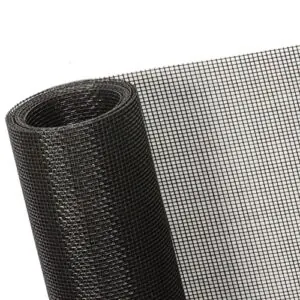
Mesh screen is the barrier that keeps your drainage layer functioning correctly. Without it, substrate gradually sifts down into the clay balls below, compressing drainage channels and creating stagnant wet pockets that damage root systems and microbial colonies.
TOOLTRIZ uses fiberglass construction rated above 320N/inch radial strength, so it holds up under packed substrate without tearing or collapsing. It trims cleanly with scissors and won’t fray at cut edges the way metal screens do. Integrated 75% UV protection means overhead lighting won’t degrade the material over the life of your setup.
One practical caution: the mesh ships folded, which can leave creases that complicate flat installation. Lay it flat for a few hours before trimming, or apply gentle heat to relax the material.
Washable and noncorrosive, it rinses clean during maintenance without needing replacement after each substrate refresh, a practical low-cost choice.
| Best For | Planted tank or vivarium builders who want a reliable, long-lasting mesh layer to separate substrate from drainage without spending much. |
|---|---|
| Material Type | Fiberglass |
| Enclosure Layer | Substrate separator |
| Pre-Use Prep | Flatten before use |
| Reusability | Fully reusable |
| Humidity Role | N/A |
| Species Compatibility | All vivarium species |
| Additional Features |
|
- Cuts cleanly with scissors and won’t fray, making it easy to size for any container shape
- Holds its structure under packed substrate thanks to high radial strength, so drainage channels stay open over time
- UV-resistant and washable, meaning it lasts through multiple substrate refreshes without degrading
- Ships folded, so you’ll need to flatten or gently heat it before installation to avoid fitting problems
- Works best if you’re comfortable using spline tools; less beginner-friendly for unusual frame shapes
- Charcoal/black is the only color option, which may not suit lighter or display-focused builds
3. Josh Frogs Tropical Bioactive Substrate
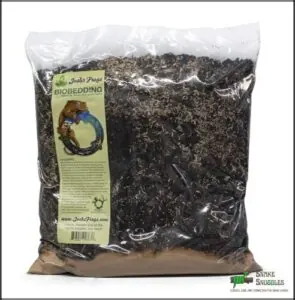
Because tropical snake setups depend on consistent humidity and biological balance, your substrate has to do real work. Josh’s Frogs Tropical BioBedding delivers exactly that, combining organic components, live plant support, and built-in charcoal that prevents compaction and keeps the mix fresh over time.
It arrives completely dry, so rehydrate it thoroughly with dechlorinated water before you place it in the enclosure. Pair it with a false bottom or drainage layer if you run automated misting, which prevents saturation at the base.
The substrate works best when stocked with isopods and springtails. Those cleanup crews break down waste organically, reducing how often you pull and replace the substrate entirely. You’ll still want to turn over 25 to 50 percent of the substrate every six to twelve months to sustain microbial activity.
One caution: inspect each bag before use, since it may occasionally contain stray live invertebrates like snails.
| Best For | Keepers of tropical snakes, geckos, or tarantulas who want a bioactive substrate that supports live plants and a self-sustaining cleanup crew. |
|---|---|
| Material Type | Organic blend |
| Enclosure Layer | Main substrate |
| Pre-Use Prep | Rehydrate fully |
| Reusability | Partial refresh |
| Humidity Role | Retains tropical humidity |
| Species Compatibility | Snakes, geckos, tarantulas |
| Additional Features |
|
- Contains charcoal that prevents packing and keeps the substrate fresh over time
- Supports live plant growth and microfauna like isopods and springtails
- Reduces how often you need to replace the substrate when paired with a cleanup crew
- Arrives bone dry and requires thorough re-moistening before use
- Not recommended for enclosures with mite infestation risks
- May contain stray live invertebrates like snails, so bags need inspection before use
4. XYZReptiles Live Oak Leaf Litter Terrarium Bedding
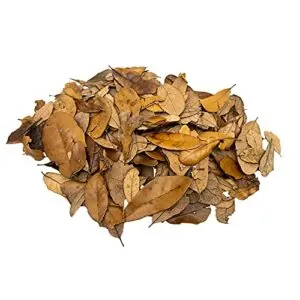
A Brazilian rainbow boa burrowing into a bare substrate bed misses the one thing its forest floor offers: cover. Oak leaf litter supplies that missing layer, and XYZReptiles Live Oak Leaf Litter Terrarium Bedding does it affordably.
The leaves are collected from pesticide- and herbicide-free environments and heat-treated above 110°F, which reduces pathogen risk in a closed system. Each half-gallon package covers roughly 0.75 square feet at 1 inch depth, so plan on multiple bags for a standard 4-foot enclosure.
Spread the leaves 2 to 4 cm deep over your substrate. As they decay, they release tannins, trap humidity, and feed your springtails and isopods, extending the cleanup crew’s food supply.
Rinse the litter before use to cut down dust, a common complaint among buyers, and inspect for sharp fragments. Replace the top layer annually or after heavy mold growth, keeping deeper layers intact for bioactivity.
| Best For | Keepers of bioactive terrariums and vivariums—especially those housing species like Brazilian rainbow boas or isopod colonies—who want an affordable, natural leaf litter layer that feeds cleanup crews and traps humidity. |
|---|---|
| Material Type | Heat-treated oak leaves |
| Enclosure Layer | Top layer |
| Pre-Use Prep | Rinse before use |
| Reusability | Annual replacement |
| Humidity Role | Traps surface humidity |
| Species Compatibility | Tropical snakes, isopod colonies |
| Additional Features |
|
- Collected from pesticide- and herbicide-free environments and heat-treated above 110°F, reducing pathogen risk in closed systems.
- Serves multiple roles: shelter and visual cover for animals, food for springtails and isopods, and a nutrient source as it decays.
- Traps humidity and releases tannins, supporting a naturalistic forest-floor environment.
- Contains significant dust, requiring rinsing before use.
- Some customers have reported mold growth.
- Leaf litter size receives mixed reviews from buyers.
5. Josh Frogs Isopods and Springtails
A ball python keeper I advise added this exact bundle to her 4x2x2 enclosure and saw visible isopod clusters within three weeks. That’s the timeline you should expect when you seed a clean-up crew correctly.
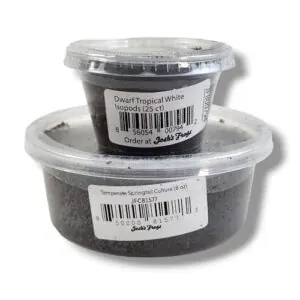
Once your leaf litter is down, Josh’s Frogs dwarf tropical white isopods and springtails turn that forest floor into a working system. Isopods break down feces and larger debris; springtails graze on mold and fine organic waste, keeping the substrate biologically active.
The bundle ships 25+ isopods in a 4 oz container and springtails in an 8 oz container, plus starter substrate, two weeks of food, and a virtual care sheet. You’ll cut setup time considerably.
Inspect the shipment immediately. Reports mention low counts and transit die-offs, especially in warm weather. Acclimate both cultures before release, keep humidity between 60–85%, and monitor populations monthly.
| Best For | Bioactive terrarium keepers — especially those with amphibian or reptile enclosures — who want a self-maintaining cleanup crew to manage waste and mold naturally. |
|---|---|
| Material Type | Live organisms |
| Enclosure Layer | Throughout substrate |
| Pre-Use Prep | N/A |
| Reusability | Self-reproducing |
| Humidity Role | N/A |
| Species Compatibility | Bioactive enclosures, amphibians |
| Additional Features |
|
- Includes both isopods and springtails, covering breakdown of larger waste and fine mold in a single bundle
- Comes with starter substrate, two weeks of food, and a care sheet, so you can get the colony going without hunting down extra supplies
- Visible colony activity can appear within weeks when introduced to a properly set up enclosure
- Multiple buyers report receiving fewer than 25 isopods, meaning actual counts don’t always match what’s listed
- Transit die-offs are a known issue, particularly in warm weather, so arrival condition is inconsistent
- Substrate quality has been called out as little more than dried dirt, and the seller doesn’t accommodate requests for specific carriers
Frequently Asked Questions (FAQs)
What is included in a snake tank setup guide?
A complete snake enclosure setup guide covers enclosure size, secure latching, substrate and drainage, temperature gradient, humidity control, lighting, ventilation, hides, climbing structure, and a cleanup crew, so your snake can thermoregulate, shed, and rest.
What is a snake enclosure?
The idea that any box works for a snake is entirely wrong. A snake enclosure is a purpose-built habitat designed to control heat, humidity, shelter, and safety while enabling your snake’s natural movement and behavior.
How long should a snake enclosure be?
Your enclosure should be at least 1 to 5 times your snake’s adult length. Arboreal species need the upper end of that range so they can climb, stretch, and thermoregulate effectively across the full habitat.
Since a larger setup also means more heating gear and lighting, this snake habitat setup cost breakdown can help you budget before you buy.
Before you buy anything, check your species’ adult size and growth expectations—our large snake enclosure dimensions guide breaks down sizing for popular species.
How do I choose the right snake enclosure size?
Think of it like buying shoes for next year, not today. Your tropical snake enclosure should match what it’ll grow into: at least its adult length, half that in width, extra height for arboreal climbers.
How to set up a bioactive snake enclosure?
Beneath the surface, a living system does the work. Start with a drainage layer, add moist bioactive substrate, leaf litter, and live plants. Introduce springtails and isopods, then cycle for weeks before adding your snake.
What not to put in a snake enclosure?
Don’t use bleach, aerosols, or pesticides near the enclosure; they trigger respiratory infections and poisoning. Scented bedding causes irritation. Compacting sand and dyed gravel risk impaction. Heat rocks cause burns. Stick with vet-confirmed nontoxic materials.
How to properly set up a snake enclosure?
A snake thrives only where its world is built with real intention. Size it for the adult, layer drainage beneath breathable substrate, provide two hides, a gradient, controlled humidity, thermostat-regulated heat, and consistent UVB lighting.
What should be in a snake enclosure?
Your tropical snake enclosure needs secure hides on both the warm and cool ends, a moisture-retentive substrate over drainage, fresh water, stable heat and humidity gradients, UVB lighting, climbing branches, live plants, and bioactive insects.
What is the best way to prevent mites?
Prevention is your strongest line of defense against mites. Keep humidity tightly controlled, maintain proper ventilation, and rely on springtails and isopods in a bioactive terrarium to eliminate the organic debris mites need to thrive.
How often should tropical snakes be fed?
Hatchlings need feeding every 5 to 7 days, juveniles every 7 to 10 days, and adults every 10 to 14 days. From there, adjust the feeding schedule based on body condition, prey size, and appetite.
Conclusion
Most keeper mistakes trace back to the drainage layer, not the animals they chose. A compacted base silently drives humidity past safe thresholds while the rest of the enclosure looks perfectly fine.
A proper snake enclosure setup for tropical species demands that every layer earns its place, from the LECA at the bottom to the leaf litter on top. Build it right, and your cleanup crew, your plants, and your snake will all tell you.