This site is supported by our readers. We may earn a commission, at no cost to you, if you purchase through links.
A one degree rise in enclosure temperature can raise bite risk by 6%. Most keepers never check that number until they’re already nursing a puncture wound. Snakes don’t strike out of malice, they strike because something in their environment or body feels wrong, and your job is to catch the warning signs first.
That coiled S-curve posture, the flattened neck, the hiss that sounds almost like a warning shot across the bow, these aren’t random quirks. They’re a language.
Understanding snake aggression signs means reading pain, stress, and fear before they turn into a strike, and knowing exactly what to do when they do.
Table Of Contents
- Key Takeaways
- Physical Signs a Snake May Strike
- Behavioral Signs of Stress and Defensiveness
- Common Causes of Snake Aggression
- How Aggression Signs Vary by Snake
- How to Respond and Prevent Bites
- Frequently Asked Questions (FAQs)
- How do you know when a snake is angry?
- What are the five warning signs of aggression?
- What is a snake’s body language when aggressive?
- Which snake is most aggressive?
- Can snakes recognize their owners or handlers?
- Do injured snakes become more aggressive?
- How does pregnancy affect snake behavior?
- Are captive snakes less aggressive than wild?
- Do snakes show aggression during shedding cycles?
- Does enclosure size affect a snakes shedding stress?
- Conclusion
Key Takeaways
- Snakes always warn before they strike, so learning to read cues like the S-curve posture, flattened neck, hissing, and tail rattling gives you time to back away safely.
- Environmental factors matter more than most keepers realize: even a 1°C temperature rise can boost bite risk by 6%, and cramped enclosures can raise defensive behavior by up to 50%.
- Aggression is usually a symptom, not a personality trait, since hunger, pain, illness, shedding, and improper husbandry are the real drivers behind most strikes.
- Preventing bites comes down to timing and technique, giving space, waiting after feeding or shedding, washing off prey scent, and building trust through slow, gradual handling sessions.
Physical Signs a Snake May Strike
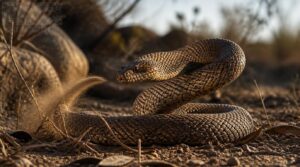
A snake rarely strikes without warning first. Its body gives you clues, from posture to movement, before things escalate. Here are five physical signs worth watching for.
Coiled bodies, flattened necks, and raised tails often signal a warning stage that lines up with the defensive postures venomous snakes use in tropical rainforests.
S-Curve Strike Posture
Watch the neck. When a snake pulls into an S-Curve formation, hindquarters low, forebody arched, it’s building neck tension for a forward strike.
This coiled strike preparation tightens as the head drops toward you, a clear strike readiness signal.
Since a ball python, a boa, and a tree python each coil differently, how snakes coil before striking helps you predict what a given species will do next.
That head positioning curve means one thing: back away now, before defensive body posturing turns into contact.
Rapid Head and Neck Movements
Once the S-curve locks in, the head doesn’t creep forward, it snaps.
Strike initiation timing runs 0.2 to 0.3 seconds, driven by tight neck muscle coordination and sharp head-target alignment. You’ll catch lateral tremors first, then a burst in head velocity metrics as jaw-head synchronization kicks in. That speed alone separates a bluff from a real strike.
Body Flattening or Raised Head
Speed isn’t the only tell. Some snakes go still, pressing their bodies flat against the ground as a body flattening signal, while others choose the opposite: a head elevation display lifted 6-12 inches up, neck muscles taut, scales subtly puffed.
Either defensive body posturing means the same thing:
- The animal feels cornered
- Escape isn’t an option
- Retreat has failed
- A strike may follow
Open-Mouth Display and Hissing
Once flattening or head-raising fails, the mouth opens wide, fangs bared, jaw quivering with heavy breaths. Air forced through the glottis produces a sharp hissing warning, growing louder if you don’t back off.
Understanding the full spectrum—from the relaxed, level-headed calm described in this guide to reading snake body language and mood to an open-mouthed hiss—helps you respond appropriately before tension escalates.
The glottis acts as the hiss’s engine — you can see exactly how in this breakdown of why snakes hiss so loudly and what drives the sound’s intensity.
| Signal | Cause | Meaning |
|---|---|---|
| Wide gape | Fang display | Final warning |
| Loud hiss | Forced exhalation | Persistent threat |
| Jaw quiver | Heavy breathing | High stress |
Tail Rattling and Defensive Shaking
Before a strike, listen closely. Tail rattling vibrates rapidly against surfaces, a warning distinct from body posture. Some rattlesnakes boost this with specialized structures; nonvenomous species may mimic it to bluff predators.
Some snakes also flatten their heads into a triangular shape to fake a rattlesnake’s menace, a survival trick explored in this guide to desert snake defense adaptations.
Defensive shaking tremors the whole body, spreading stress pheromones while speed increases with threat. Either signal means one thing: stop handling, step back, and reassess your enclosure setup.
Behavioral Signs of Stress and Defensiveness

Not every warning sign involves a coiled body or an open mouth. Sometimes stress shows up in smaller, subtler behaviors you might miss if you’re not watching closely. Here are five behavioral cues that tell you your snake is on edge.
Frantic or Repeated Tongue Flicking
That tongue isn’t tasting the air, it’s reading a threat. Frantic tongue flicking relies on chemical sensing, and when flick frequency spikes into rapid bursts, you’re watching a genuine stress indicator.
Watch the head. If it stays fixed on you during handler proximity, treat it as a clear pre-strike warning sign and back off before the environmental threat response escalates further.
Jerky, Erratic Movement Patterns
Smooth locomotion breaks down under stress. You’ll notice jerky, erratic movement patterns: abrupt pauses, quick direction reversals, uneven stride timing. These Movement Instability Triggers often pair with rapid head movements and a sudden fast slither toward your hand, a clear defensive behavior.
Substrate Surface Effects and Temperature Humidity Impact worsen this. Handling Response Patterns and Environmental Stress Indicators together signal genuine agitation, not clumsiness.
Mock Strikes and Sudden Lunges
A snake that lunges without contact is bluffing, but don’t test it twice. Mock strikes warn you before real ones land, often within 1-2 seconds of feeling cornered. Watch for a sudden fast slither toward your hand paired with rapid jerky movements.
Repeated strike attempts mean the threat’s still too close: back off immediately.
Persistent Escape or Hiding
A snake bolting for cover isn’t shy, it’s telling you the space feels unsafe. Look for four patterns: tight crevice wedging, tail-first retreats, tunneling into bedding, or freezing near exit points. This reflects real habitat encroachment and environmental stressors, not stubbornness.
A snake bolting for cover isn’t shy, it’s telling you the space feels unsafe
Give it room. Reducing handling near hiding spots helps stress reduction and lets defensive behavior settle naturally.
Freezing During Human Interaction
Not every stressed snake retreats. Some go still, muscles locked, in what’s called raised defensive postures, head lifted and unmoving before a possible strike. Duration depends on threat level, sometimes seconds, sometimes minutes.
Watch for a motionless coil that suddenly breaks into a sudden fast slither toward your hand. Never grab a frozen snake. Back away, give it space, let it decide when it’s safe.
Common Causes of Snake Aggression
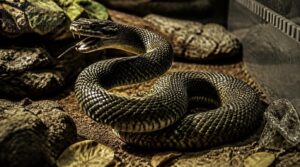
Aggression rarely comes out of nowhere. Most of the time, your snake is reacting to something in its environment or its body that’s gone wrong. Here are the four causes you’re most likely to run into.
Improper Temperature and Humidity
When enclosures run too hot or too cold, snakes feel it fast. A 1°C rise can boost bite risk by 6%, while humidity above 60% breeds mold and respiratory trouble. Sudden swings past 5°C trigger stress and dropped appetite.
Keep gradients at 28-32°C warm, 22-26°C cool, with 30-50% humidity, and check daily with a hygrometer.
Small or Exposed Enclosures
Temperature isn’t the only stressor working against your snake. Cage size matters just as much, since over half of pet snakes live in enclosures shorter than their own body length.
That cramped setup blocks natural stretching, limits thermoregulation choices, and raises defensive behavior by up to 50%. Add at least two hiding spots, this alone cuts stress-related aggression 35-50%.
Hunger and Feeding Responses
A hungry snake reads the world differently. Hunger increases defensive strikes by 25%, so watch for rapid tongue flicking, tighter coils, and a head aimed straight at your hand.
Feeding schedule matters too. Weekly feeding cuts aggression 17% versus biweekly. Prey scent on your skin can trigger a mistaken strike, so wash up before handling.
Pain, Illness, or Injury
Not all defensiveness comes from stress. Sometimes it’s a pain response: oral disorders drive biting in 61% of cases, respiratory illness pushes strikes past 43%.
Watch for:
- Guarded posture near a sore spot
- Swollen tissue or discoloration
- Neurologic impairment like head tremors
- Respiratory discomfort, open-mouth breathing
Veterinary care resolves aggression within 48-96 hours for most snakes.
How Aggression Signs Vary by Snake

Not every snake sends the same warning signals, and reading them correctly starts with knowing who you’re dealing with. Age, species, and even the time of year all shape how a snake shows stress. Here’s what changes, and why it matters for keeping you both safe.
Venomous Versus Nonvenomous Displays
Not all threat displays end the same way. Venomous species pair fang display with strike readiness, while nonvenomous snakes rely on nonvenom constriction and bluff. Fang structure itself offers a clue, since venomous fang delivery systems differ markedly from the fixed teeth of nonvenomous species.
| Signal | Venomous | Nonvenomous |
|---|---|---|
| Head posture | Raised, angled | Flattened, wide |
| Strike goal | Venom delivery | Grip and coil |
| Tail rattle | Common warning | Less consistent |
Juvenile Versus Adult Defensiveness
Watch a juvenile bolt and an adult stand firm, and you’re seeing two survival strategies. Young snakes favor rapid retreat with zigzag fleeing; adults hold rigid defensive coils, head raised, tension lingering after threats leave.
- Juveniles twist free during handling
- Adults resume displays if pressure returns
- Young snakes react to shadows instantly
- Adults tolerate brief handling pauses
- Juveniles flee; adults posture and assess
Species-Specific Temperament Differences
Ask ten keepers about their favorite species, and you’ll get ten different temperament stories. King cobras flash dramatic hood displays; ball pythons usually just curl tight and hide their heads.
Corn snakes tolerate handling well but strike if cornered. Green tree pythons stay defensive by nature. Individual personality matters too, some rosy boas stay calm for life, others never fully relax.
Seasonal Behavior Changes
Your snake’s mood shifts with the calendar. Warmer months bring higher activity and shorter tempers, especially during mating cycles when males patrol territory and females coil defensively.
Shedding cycles peak in warm weather too, and temperature shifts near hibernation periods slow metabolism, dulling responses. Watch feeding frequency drop after breeding season, since energy shifts toward reproduction rather than food.
Day and Night Activity
Circadian rhythms shape more than sleep, they shape bite risk. Diurnal species show sharper daytime aggression as light and warmth peak; nocturnal snakes strike more during dark hours when heat-sensing pits guide crepuscular hunts.
Temperature-driven activity means dusk and dawn bring ambush behavior and basking wind-down. Handle nocturnal species by day, diurnal ones by evening, when their circadian rhythm naturally lowers defensiveness.
How to Respond and Prevent Bites
Spotting the warning signs is only half the job. What you do next determines whether that tension fades or turns into a strike. Here are five practical steps to keep both you and your snake safe.
If you’re unsure whether a snake is just nervous or truly about to strike, this guide to aggressive snake warning signals shows what to watch for.
Pause Handling and Give Space

The best move when you spot warning signals? Stop. Pause handling immediately, lower your hands slowly, keep palms open, and hold still for 60 seconds.
Give space within two arm lengths, make sure clear escape routes, and avoid shadows or sudden noise. Resume only after calm body language holds for 30 seconds straight.
Remove Prey Scents Before Handling

Once you’ve given space, check your hands and gear. Rodents leave scent trails that trigger feeding responses, even mistaken strikes.
Wash hands for 20 seconds, swap prey-handling tools for clean ones, and wipe enclosure surfaces. Adjust cleaning frequency if odors linger, and monitor scent before resuming contact.
Wait After Feeding or Shedding
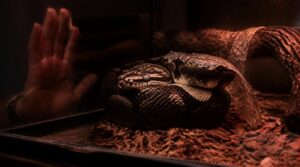
Clean hands aren’t enough. Timing matters too.
Give your snake a post-feeding calm period of 24 to 72 hours before handling, since digestion slows movement and raises defensiveness. The same handling moratorium applies during the shedding cycle, when cloudy eyes signal irritability. Watch for stress signals like curling or dulled color before touching again.
Use Gradual, Low-Stress Handling
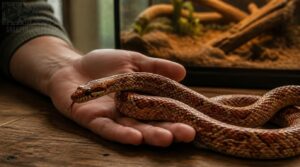
Trust builds slowly, not through one calm session but many.
Once your hognose stops bluffing and starts relaxing in your hands, you’ll see why the hognose snake’s quirky personality traits make patience worth it.
Use a gentle touch approach: slow movements, low posture, and steady body support along the midline. Respect the flight zone and retreat if it coils defensively. Pair this handling approach with a properly set up habitat, since a snake that feels secure in its low-stress enclosure is far more likely to stay calm during sessions.
- Start with 5-minute sessions
- Increase gradually as tolerance grows
- Track handling duration weekly
- Keep routines predictable
This gradual training cuts defensive strikes by 60% within a month.
Seek Veterinary or Expert Help

Sometimes gradual conditioning isn’t enough, and that’s your cue to call in a herpetology-savvy vet.
Watch for sudden aggression, weight loss over 10%, or lethargy.
| Sign | Possible Cause | Action |
|---|---|---|
| Sudden strikes | Illness/pain | Vet visit |
| No improvement | Behavioral | Second opinion |
| Swelling | Infection | Specialist referral |
Bring feeding logs and photos. Prompt veterinary intervention resolves most cases within 96 hours.
Frequently Asked Questions (FAQs)
How do you know when a snake is angry?
You’ll spot it through defensive body language: a tight S-curve coil, a raised head, hissing with an open mouth, and rapid head movements. These pre-strike warnings signal stress, not true anger, and mean it’s time to back off.
What are the five warning signs of aggression?
Watch for coiling into an S-curve, head raising with jaw gaping, hissing paired with scale raising, sudden mock strikes, and tail vibration. Each signals rising arousal, and together they mean you should back off now.
What is a snake’s body language when aggressive?
An aggressive snake coils into an S-curve strike posture, head raised, neck kinked. Expect hissing, an open-mouth threat response, and rapid tail shaking, all pre-strike indicators signaling defensive posture and imminent strike behavior.
Which snake is most aggressive?
Picture a coiled fury that could strike faster than your eye can follow: that’s the black mamba. With rapid, repeated strikes and potent neurotoxic venom, its species temperament and strike frequency make it herpetology’s standard for defensive aggression.
Can snakes recognize their owners or handlers?
Yes, through scent recognition, not affection. Your snake’s tongue flicking samples your scent via its vomeronasal organ, building familiarity through consistent handling routines. Familiar handlers trigger calmer body language and fewer defensive behaviors than strangers do.
Do injured snakes become more aggressive?
It’s not just pain talking, it’s survival instinct. Pain sensitivity spikes vulnerability, so injured snakes lean hard into defensive posturing, coiling tight and striking fast. Species variation matters too, but expect stress signals and heightened aggression triggers until healing progresses.
How does pregnancy affect snake behavior?
Gravid females shift dramatically: hormonal surges drive pregnancy defensiveness, reduced feeding, and picky nesting site selection. Expect heightened gestation aggression, stronger egg guarding instincts, and less tolerance for handling until she lays her clutch.
Are captive snakes less aggressive than wild?
Like a house cat versus a stray, environment shapes temperament.
Captive-bred snakes show lower stress comparison scores thanks to routine stability, reduced predator exposure, and consistent handling frequency, resulting in calmer defensive behavior and fewer threat displays than wild counterparts.
Do snakes show aggression during shedding cycles?
Your usually calm roommate suddenly acts like you’re the enemy. Cloudy eyes mean poor vision, so defensive strikes spike during the blue phase. Skip handling, respect this shedding discomfort, and let body language guide you until eyes clear.
Does enclosure size affect a snakes shedding stress?
Think of a cramped enclosure like a too-small raincoat: nothing fits right, and stress builds.
Enclosure size shedding stress connects directly, cramped tanks disrupt thermal gradients and humidity stability, while adequate hiding spots ease the shedding process considerably.
Conclusion
You checked the thermostat the same week your snake started striking, and that’s no coincidence. Temperature, hunger, and stress speak through posture long before teeth do.
Understanding snake aggression signs turns guesswork into real observation, you start noticing the flattened neck, the frantic tongue flicks, the freeze before the lunge. Respect that language and give space when it’s spoken. Your snake isn’t out to get you. It’s asking, plainly, to be left alone.