This site is supported by our readers. We may earn a commission, at no cost to you, if you purchase through links.

Your ball python refuses another frozen-thawed mouse, and now you’re scrambling to find live prey before feeding day slips away. It happens to most keepers eventually: a stubborn eater, a picky corn snake, a rescue that only knows live movement. Knowing where to buy live mice for snakes matters just as much as knowing how to feed them safely.
Local shops carry pinkies through jumbos on any given day, but breeders and online suppliers offer stronger biosecurity and consistent sizing you can plan around. Prices swing wildly too, from $8 at a shop to bulk rates that cut costs by 20% or more. Get the sourcing right, and feeding day stops being a scramble.
Table Of Contents
- Key Takeaways
- Buy Live Mice From Reptile Shops, Breeders, and Expos
- Compare Online Live Feeder Mouse Suppliers
- Compare Feeder Mouse Sizes, Prices, and Availability
- Choose Healthy, Ethically Sourced Feeder Mice
- Consider Safety and Frozen Feeder Alternatives
- Frequently Asked Questions (FAQs)
- How much do live mice cost for snakes?
- Does Petsmart sell live mice for snakes?
- Where do I get mice for my snake?
- How much does a mouse cost for a snake?
- Does PetSmart sell live feeder mice?
- Can you give a snake a live mouse?
- Can you ship live mice?
- What are the pickup times for live mice?
- Can I request a specific size range for live mice?
- Are there alternative options to buy live mice?
- Conclusion
Key Takeaways
- Local shops, breeders, expos, and herpetological society referrals each offer different tradeoffs in price, quality, and biosecurity, so your best source depends on how much sizing consistency and health screening you need.
- Chain stores like PetSmart and Petco won’t sell live feeders due to corporate policy, so you’ll need to rely on independent shops, breeders, or online suppliers if live prey is what your snake needs.
- Buying in bulk (50-500+ mice depending on the source) can cut your per-mouse cost by 10-40%, but shipping fees for live mice (around $48-60 with insulated packaging) can eat into those savings on smaller orders.
- Before feeding, always check for healthy signs like bright eyes and smooth coats, confirm the supplier follows a 14-day quarantine protocol, and avoid wild-caught mice since they can carry parasites and bacteria straight to your snake.
Buy Live Mice From Reptile Shops, Breeders, and Expos

Finding a reliable feeder mouse source takes more than a quick trip to the nearest pet aisle. Your best options range from neighborhood reptile shops to breeders you’ll meet face-to-face at expos, each with its own tradeoffs in price, quality, and biosecurity. Here’s how to weigh them against each other.
If you’re still narrowing down feeding choices for your own snake, this guide to choosing the best food for ball pythons breaks down how prey size and type affect long-term health.
Local Reptile Shops
Your neighborhood reptile shop is often the fastest fix. Most run daily rodent stock, pinkies through small adults, with hours usually 9 am–7 pm weekdays.
- Prices posted in-store or online
- Curbside/on-site pickup available
- Some partner with local breeders for age-matched mice
Ask about wholesale pricing if you’re feeding multiple snakes regularly. Shops that maintain ethical captive-bred sources through vetted breeders tend to offer healthier, more reliably sized feeder mice.
Independent Feeder Breeders
When a shop can’t cover what you need, local breeders shipping direct fill the gap. Independent feeder breeders run smaller operations focused solely on feeder mice, offering weekly delivery windows and stronger biosecurity.
Look for breeder health guarantees and documented rodent quarantine, that’s your real feeder quality assessment. Humane breeding practices and clean housing standards separate ethical breeder practices from operations cutting corners.
Reptile Expos and Shows
If breeders can’t cover your volume, expos let you compare dozens at once. With 196 annual shows across North America, arrive at opening hour, bring cash, and check:
- Vendor guarantees and refund policies
- Health standards (no visible injury)
- Clean, appropriately sized enclosures
- Care sheets for husbandry details
Ethical sourcing means asking questions before buying.
Herpetological Society Referrals
Not sure which vendor to trust after a show floor blur of tables? Herpetological societies solve that with verified supplier lists and member directories linking you to breeders using proper quarantine protocols. These referral networks bridge local-national connections, offering humane handling guidance you won’t find scrolling ads.
Ethical sourcing starts with knowing who’s actually behind the mice you’re feeding your snake.
Chain Store Availability
Since PetSmart and Petco run over 1,660 and 1,500 locations, you’d expect easy access, but both prohibit live feeder sales, pushing you toward frozen-thawed options instead.
Petsense sometimes stocks live mice, though restock frequency and regional availability vary widely, with suburban stores faring better than rural ones.
Expect cash or card minimums and no reliable bulk discounts, so verify chain store availability before driving out.
Compare Online Live Feeder Mouse Suppliers

When local shops and expos aren’t an option, ordering online opens up a wider network of established feeder suppliers. But not every company controls shipping, guarantees, or customer service the same way. Here’s what to look for before you place that order.
Before you buy, check that the supplier lists prey sizes clearly, since getting this wrong is a common mistake covered in this baby snake feeding guide.
Reputable Feeder Suppliers
Not all online sellers deserve your trust. Supplier reputation tracking matters: RodentPro, Great Lakes Rodent, Perfect Prey, American Rodent Supply, and East Coast Exotics have earned it through consistent health certification checks and biosecurity standards.
- Verified breeder credentials
- Documented quarantine protocols
- Transparent shipping policies
- Established customer track records
- Clear ethical sourcing criteria
Run your own breeder verification process before ordering; reputation isn’t guesswork.
Live Shipping Availability
Placing an order before the daily cutoff matters more than most keepers realize, since same-day dispatch keeps live mice fresh and viable during transit.
Most online rodent suppliers ship Monday through Thursday only, avoiding weekend carrier delays.
Check real-time stock updates before ordering; litter availability shifts constantly, and a pet store’s rigid schedule can’t match that flexibility.
Carrier and Weather Restrictions
Weather controls your delivery window more than any supplier promise can.
- Heat warnings delay or cancel shipments above safe thresholds
- Freezing temps trigger mandatory insulated packaging
- Humidity compromises crate integrity
- UPS, FedEx, USPS prohibit standard live rodent shipping
- Costs run $48 plus $12 for insulated packaging
Seasonal restrictions tighten in summer and winter alike, so check your region’s forecast before ordering live mice.
Arrival Guarantees and Refunds
A dead mouse on arrival isn’t a dealbreaker if you know the policy.
Most suppliers require photo evidence within 24 hours to trigger a claim. Replacements often ship within one business day; refunds often post as store credit first, cash back to your original payment method within 5-10 days.
| Condition | Outcome |
|---|---|
| DOA, photo submitted | Replacement or refund |
| Weather reroute | Guarantee voided |
| No photo, 24hrs+ | Claim denied |
Customer Reviews and Ratings
Reviews reveal what specs can’t: most vendors deliver problem-free, but read closely before ordering.
Verified buyers consistently rank animal health and delivery speed above price, most shops averaging two to three days for live mice. Look for feedback on packaging quality and sizing accuracy.
Responsive seller communication separates trustworthy suppliers from risky ones; quick fixes after mix-ups build loyalty. Compare this to Petco or PetSmart’s in-store consistency before committing to any single online vendor.
Compare Feeder Mouse Sizes, Prices, and Availability
Picking the right feeder mouse isn’t just about availability—it’s about matching size to your snake’s needs while keeping costs manageable.
Prices shift depending on whether you’re buying one mouse or ordering in bulk, and shipping fees can change the math entirely.
Here’s what you need to know before placing your next order.
Pinky Through Jumbo Sizes
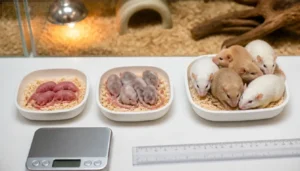
Every colony follows a size progression timeline, from fragile neonate pinkies to full jumbos:
- Pinkies (11–14 days, 2–6g)
- Hoppers (14–19 days, 7–13g)
- Jumbos (90+ days)
Weight-to-length ratio matters too; weaned pinkies stretch 3–4 inches. Batch-to-batch variation exists, so confirm weight, not just age, before buying live or frozen mice.
Matching Prey to Snake Size

Knowing sizes matters little if you can’t match them to your snake’s gape. A prey-to-snake ratio near 1:1 girth prevents choking and struggle.
| Snake Size | Prey Stage | Body Width Match |
|---|---|---|
| Hatchling | Pinkie | Slim, easy swallow |
| Juvenile | Hopper | Moderate girth |
| Adult | Jumbo | Full gape width |
Oversized prey stresses your snake and lowers feeding success, mirroring wild feeding instincts.
Single Versus Bulk Pricing
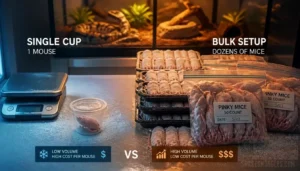
Once prey size matches your snake, cost efficiency becomes the next variable worth managing. Single pinkies run $8-14 at local shops, but bulk purchasing collapses per unit pricing fast:
- 50+ mice unlocks 10-20% shop discounts
- Breeders break tiers at 100+ units
- Expos bundle 50 mice at flat rates
- Online suppliers drop pricing at 200-500 units
Loyalty programs and seasonal offers stack further savings onto quantity price breaks.
Total Cost With Shipping

Bulk purchasing shrinks per-mouse pricing, but shipping costs can eat those savings fast. Overnight delivery runs about $48, plus a $12 packaging surcharge for insulated boxes maintaining temperature guarantee terms.
| Order Size | Shipping Cost Impact |
|---|---|
| Small (10) | High per-unit cost |
| Bulk (200+) | Cost per mouse drops sharply |
Always calculate live mice versus frozen mice totals before ordering.
Choose Healthy, Ethically Sourced Feeder Mice

Not every mouse that looks fine at a glance actually is, and your snake’s health depends on you knowing the difference. Sourcing quality matters just as much as sourcing convenience, especially when zoonotic risks and biosecurity gaps are on the line. Here’s what to check before you buy.
Signs of Healthy Mice
A sick feeder mouse can pass illness straight to your snake, so inspection matters before purchase.
- Bright, alert eyes, clear of discharge
- Smooth, glossy coat with normal grooming
- Clean ears, free of wax or crusting
- Even, unlabored breathing, no wheezing
- Active movement, quick response to touch
Skip mice that seem lethargic or underweight; body balance and activity level reveal overall condition fast.
Quarantine and Health Testing
A biosecurity buffer separates healthy stock from hidden pathogens: reputable breeders quarantine mice 14 days, tracking weight and appetite while screening for illness.
| Check | Purpose | Frequency |
|---|---|---|
| Weight | Detect metabolic issues | Daily |
| Appetite | Spot early illness | Daily |
| Pathogen screen | Confirm disease-free stock | Pre-sale |
Any red flags warrant isolation and vet consultation before mice ever reach your snake’s enclosure.
Clean Housing Conditions
Ask any breeder about their setup before buying, since clean housing conditions reveal more than a health certificate ever could.
Look for facilities running proper ventilation standards, controlled humidity, and daily bedding replacement. Cage sanitation between batches and temperature gradients matter too.
These details, paired with strict quarantine protocols, keep biosecurity risks low and prevent pathogen introduction into your snake’s feeding line.
Avoiding Wild-Caught Mice
Trapping your own feeders might sound thrifty, but wild rodents carry parasites and bacteria that transfer straight to your snake through handling and feeding contact.
Trapping your own feeders may seem thrifty, but wild rodents can carry parasites and bacteria straight to your snake
Reputable suppliers verify origin, offering documentation confirming captive-bred sourcing over trapping. This ethical approach avoids wild population mortality while giving you health guarantees, veterinarian oversight, and dramatically lower disease exposure risk for both you and your reptile.
Consider Safety and Frozen Feeder Alternatives

Buying the mouse is only half the job; keeping your snake safe while feeding is the part too many keepers overlook. A live rodent can bite, scratch, or even injure your snake if left unsupervised, which is exactly why frozen-thawed feeders have become the go-to choice for experienced keepers.
Here’s what you need to know about making the switch safely.
Live Versus Frozen Feeders
Live or frozen? The choice shapes safety, nutrition, and cost. Frozen feeders eliminate bite risk and lower zoonotic exposure, while matching live prey’s nutrition when sourced well.
Live mice often win on acceptance, especially with picky feeders, but demand tongs, secure containers, and closer supervision.
Frozen options offer predictable storage and bulk savings; live sourcing costs more but suits reptiles resistant to thawed prey.
Preventing Live Prey Injuries
A defensive bite isn’t the only risk here; a stressed mouse can injure your snake too. Match prey size to your snake’s girth, feed at appropriate intervals, and never leave live mice unattended.
- Use padded, secure containers
- Handle gently, minimize agitation
- Supervise every feeding session
Gentle prey interaction and a calm setup prevent most injuries entirely.
Frozen Mouse Buying Options
Once injury prevention is handled, switching to frozen-thawed prey removes the risk entirely.
Suppliers sell pinky, hopper, and weanling sizes in single packs or bulk pricing tiers, often with cold pack shipping guarantees. Frozen feeder bundles improve cost-effective feeding, and product pages usually list storage duration tips alongside smart thawing methods, though shipping costs and carrier restrictions still vary by region.
Safe Storage and Thawing
Freezer storage keeps frozen mice fresh for months, so buy in bulk and save trips. Label containers with purchase date and size.
Thaw in a sealed bag submerged in warm water, never a microwave, checking body condition before feeding. Keep your freezer separate from human food storage to control odor and prevent cross-contamination.
Hygiene and Disease Prevention
Once mice are thawed, hygiene takes over as your main defense against zoonosis risk. Wash hands before and after handling, disinfect tongs and bowls, and dispose of waste promptly.
Watch feeders for lethargy or discharge; isolate anything questionable. These habits, paired with quarantine protocols for new stock, keep your colony and snake healthy long term.
Frequently Asked Questions (FAQs)
How much do live mice cost for snakes?
Your wallet feels the pinch differently depending on size: pinky mice run $2 to $4 each, weaned mice $3 to $6, while bulk orders drop to $50 to $3 per mouse, plus regional and supplier price swings.
Does Petsmart sell live mice for snakes?
Rarely, and policy enforcement varies by store. Most locations restrict live feeder mice, promoting frozen alternatives instead.
Call ahead, since regional availability shifts, and if declined, nearby reptile shops or independent breeders usually stock live feeder mice reliably.
Where do I get mice for my snake?
Your best bets are local reptile shops, breeder direct sources, and reptile expos.
Since PetSmart and Petco restrict live sales, skip chain stores.
Check herpetological society referral networks for vetted expo vendor access and trustworthy suppliers near you.
How much does a mouse cost for a snake?
Think of it as a sliding scale, not a fixed price: pinky mice run $75-$25, adults hit $50-$99, and bulk or breeder-direct orders often cut costs by 20-40%.
Does PetSmart sell live feeder mice?
PetSmart’s corporate policy prohibits live feeder sales, though store-level practices vary by region.
Staff often exercise discretion, redirecting you toward frozen mice and pointing snake owners to independent pet stores that still stock live feeders.
Can you give a snake a live mouse?
Technically, yes, it’s like handing your snake a loaded dice roll. Live prey stress and defensive bites risk infection, so most keepers favor frozen prey benefits over the ethical feeding debate surrounding live mice.
Can you ship live mice?
Yes, but live rodent shipping restrictions complicate it. Suppliers use temperature control and insulated packaging standards with health verification, though carrier policies limit windows and delivery guarantees, which is why frozen feeder mice often win out over shipping live mice.
What are the pickup times for live mice?
Like a milkman’s route, pickup times follow set rhythms: local reptile shops run 11am to 6pm, breeders confirm same-day slots, expos track booth hours, and online cutoffs demand orders before noon for pickup.
Can I request a specific size range for live mice?
Absolutely, most breeders and suppliers let you request exact gram ranges, matching pinkies, hoppers, or adults to your snake’s girth, since proper prey size matching prevents regurgitation and helps digestion during feeding.
Are there alternative options to buy live mice?
Live prey isn’t the only key that opens the door. Frozen feeders, hobbyist club sources, and local breeders offer safer alternatives, while PetSmart, PETCO, and reptile expos support responsible ownership through health-tested, ethically sourced options.
Conclusion
Every seasoned keeper knows the early bird catches the worm, and that’s exactly how feeding day should feel: planned, not panicked.
Once you know where to buy live mice for snakes, sourcing stops being guesswork and becomes routine.
Verify biosecurity, match prey size to your snake, and keep quarantine protocols tight.
A reliable supplier turns a stressful scramble into a simple checklist.
Master your sourcing, and your snake’s health, and your peace of mind, follow close behind.