This site is supported by our readers. We may earn a commission, at no cost to you, if you purchase through links.

Pine bark looks rugged enough for any enclosure, until it starts weeping resin at 80% humidity and gumming up your snake’s scales. That’s the trap most keepers fall into: judging a branch by how it looks dry, not how it performs after weeks of daily misting.
Wood behaves differently once moisture enters the equation. Suberin in cork bark blocks water penetration outright, while porous woods swell, warp, and eventually mold from the inside out. Choosing climbing branches for humid habitats means understanding grain density, tannin content, and load capacity, not just aesthetics.
Get the material right, and the rest, diameter, anchoring, upkeep, falls into place fast.
Table Of Contents
- Key Takeaways
- 10 Best Climbing Branches for Humid Habitats
- 1. Exo Terra Forest Branch Small Natural Wood
- 2. Majoywoo Natural Large Driftwood Aquarium Decor
- 3. Natural Grape Wood Reptile Climbing Branches
- 4. Reptile Corner Climbing Branch
- 5. Coolrunner 8ft Reptile Vines With Leaves
- 6. Fhiny Resin Reptile Climbing Branches
- 7. Natural Driftwood for Aquarium and Reptile Decor
- 8. Natural Reptile Branch Terrarium Decoration
- 9. Duspro 10FT Reptile Moss Vine
- 10. SubstrateSource Natural Cholla Wood 4 Inch 3 Pack
- Humidity-Safe Branch Materials Compared
- Choosing Safe Branches for Snakes
- Installing Stable Climbing Frameworks
- Preventing Mold, Rot, and Damage
- Frequently Asked Questions (FAQs)
- What is the best wood for a humid terrarium?
- What branches are safe for reptiles?
- What is the best thing for a bearded dragon to climb on?
- Can I use tree branches in my vivarium?
- How often should climbing branches be rearranged for enrichment?
- Can different branch materials be combined in one enclosure?
- Are painted or varnished branches safe for reptiles?
- Conclusion
Key Takeaways
- Cork bark and spider wood hold up best in humid enclosures because suberin and dense grain block water penetration, while porous woods like grape wood swell, warp, and mold if humidity climbs above 50% RH.
- Match branch diameter to two-thirds of the trunk’s width and to your reptile’s actual body weight (not species averages), since anything under 1.5 cm or undersized for a growing animal risks snapping.
- Secure every branch with corrosion-resistant hardware like stainless steel eye bolts, maintain a 5-to-1 safety margin between rated load and expected weight, and inspect anchors monthly for pitting or loosening.
- Stay ahead of rot and mold with daily wipe-downs, regular moisture meter checks (danger sets in past 15% wood moisture), and prompt replacement at the first signs of cracking, musty odor, or soft spots.
10 Best Climbing Branches for Humid Habitats
Humidity punishes the wrong branch fast, softening wood and breeding mold within weeks. The right material shrugs off daily misting instead of fighting it. Here are ten climbing branches built to hold up in a wet enclosure.
For a closer look at how each option handles moisture, weight, and species-specific needs, check out this guide to choosing climbing branches for bioactive enclosures.
1. Exo Terra Forest Branch Small Natural Wood
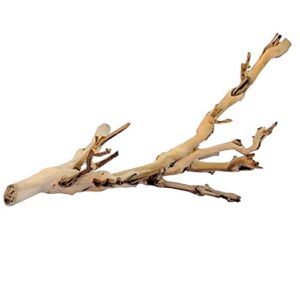
Pick this branch up and you’ll notice the bark texture first, rough, irregular, made for claws. Heat treatment keeps mold at bay in humid tanks, but check the specs before buying: 10 x 6 x 5 inches and 4.23 ounces, smaller than photos suggest.
It suits juvenile snakes and small lizards, not adult bearded dragons needing real climbing acreage. One branch, no fancy forks. Budget accordingly if your setup needs multiple grip points.
| Best For | Owners of small reptiles and amphibians, like juvenile snakes, geckos, and lizards, who need a compact climbing and basking accessory for rainforest or desert terrariums. |
|---|---|
| Material | Heat-treated wood |
| Mounting Type | Freestanding |
| Target Species | Geckos, lizards, snakes |
| Humidity Suitability | Rainforest and desert |
| Setup Effort | Low |
| Size Range | 10x6x5 in |
| Additional Features |
|
- Made from real heat-treated wood that resists mold in humid enclosures while mimicking a natural branch look and feel
- Sturdy enough to support climbing and basking, encouraging natural exploration behavior in arboreal and fossorial species
- Compact 10 x 6 x 5 inch size fits neatly into smaller tanks or hamster enclosures without overwhelming the space
- Runs smaller than expected, so it may not match the scale shown in product photos
- Single-branch design only, with no forks or multiple grip points for added climbing complexity
- Not suitable for larger arboreal reptiles that need more extensive climbing structures
2. Majoywoo Natural Large Driftwood Aquarium Decor
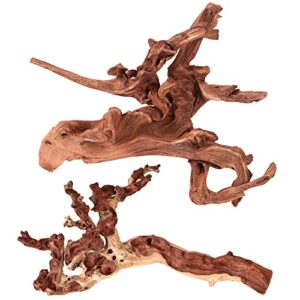
Scale up from that Exo Terra branch and you land on Majoywoo’s driftwood, twisted trunks with lateral branches built for adult reptiles, not hatchlings.
Each piece measures roughly 3.8"D x 8.8"W x 6.8"H, dark brown, unique from every angle. Expect tannin release early on, boil or soak it first, three cycles reduces staining and helps pieces sink if you’re running paludariums.
Works dry too. Sturdy enough for daily climbing, though shapes vary piece to piece, so don’t expect an exact photo match.
| Best For | Aquarium and terrarium owners with 20+ gallon setups who want a one-of-a-kind centerpiece for reptiles, climbing fish, or moss tree projects. |
|---|---|
| Material | Natural wood |
| Mounting Type | Freestanding |
| Target Species | Fish, reptiles |
| Humidity Suitability | Aquatic/humid |
| Setup Effort | Moderate soaking needed |
| Size Range | 9-14 in |
| Additional Features |
|
- Unique, natural shape from every angle adds real visual interest to any setup
- Versatile enough for aquariums, terrariums, paludariums, and moss tree builds
- Releases beneficial tannins that help condition water for certain species
- May take extended soaking or boiling before it sinks properly
- Tannin release can require more frequent water changes early on
- Piece quality and shape vary, so what you receive may not match photos exactly
3. Natural Grape Wood Reptile Climbing Branches
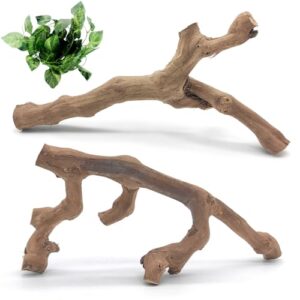
Grape wood sits at the opposite end from that driftwood: VCEPJH’s two-pack runs 12.2 to 14.96 inches per branch, 100% natural and untreated, with a ridged surface that gives geckos and chameleons real micro footholds.
The catch? Keep humidity at or below 50% RH. This wood wants 8-12% moisture content, and skipping the clean, sand, and sun-dry prep step before installation invites mold fast.
| Best For | Reptile keepers with chameleons, bearded dragons, geckos, or snakes who want a natural, texture-rich branch for climbing and enrichment in a low-humidity enclosure. |
|---|---|
| Material | Grape wood |
| Mounting Type | Freestanding |
| Target Species | Chameleons, dragons, geckos |
| Humidity Suitability | Not for high humidity |
| Setup Effort | Low, rinse bark |
| Size Range | 12.2-14.96 in |
| Additional Features |
|
- 100% natural, untreated grape wood with a realistic look and ridged texture that gives good grip for climbing species
- Trimmable branches (12.2–14.96 inches) make it easy to customize the fit for different enclosure sizes
- Adds vertical space and variety, encouraging natural climbing, hiding, and resting behaviors
- Not suited for high-humidity setups, since excess moisture can lead to mold
- Bark may flake and typically needs rinsing or cleaning before use
- Branch shape and diameter can vary, so some selection is needed to match your enclosure
4. Reptile Corner Climbing Branch
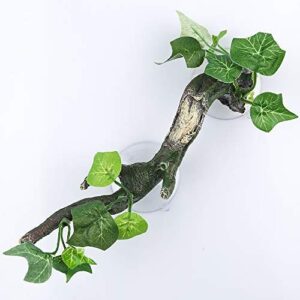
AQUA KT’s corner branch swaps prep work for convenience: two suction cups mount straight to glass, no silicone or wedging required.
At $12.99, resin construction experiences both heat and constant humidity without degrading, and the corner shape reclaims dead tank space real branches waste.
The tradeoff is real. Suction cups need spotless glass to hold their rated grip, and the fixed corner angle won’t work in every layout. Fine for tree frogs and small lizards, undersized for adult bearded dragons.
| Best For | Reptile and amphibian keepers with glass terrariums who want a low-hassle, natural-looking climbing branch for smaller animals like tree frogs and small lizards. |
|---|---|
| Material | Resin |
| Mounting Type | Suction cups |
| Target Species | Frogs, snakes, lizards |
| Humidity Suitability | Humid-tolerant |
| Setup Effort | Low, suction mount |
| Size Range | Corner-fit |
| Additional Features |
|
- Installs in seconds with two suction cups—no glue or wedging needed
- Resin build handles heat and constant humidity without breaking down
- Corner shape makes use of tank space that a real branch would waste
- Suction cups only grip clean, smooth glass—won’t work on other tank materials
- Fixed corner angle limits placement options in some tank layouts
- Too small for larger or heavier animals like adult bearded dragons or white’s tree frogs
5. Coolrunner 8ft Reptile Vines With Leaves
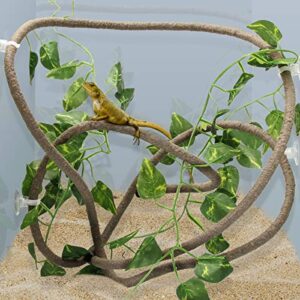
When rigid branches won’t bend to your layout, vines solve the puzzle. Coolrunner’s 8ft and 6ft sections combine a bendable metal center with PU exterior, letting you route pathways around existing decor instead of the other way around.
For pairing with rigid supports, check out these textured branches designed for secure snake grip that keep pathways stable during climbing.
The rattan-style texture gives geckos and chameleons real grip, and the non-porous build resists mold in humid tanks. Suction cups need occasional reinforcement, and the leafed section can detach under a determined chew. Fine tradeoffs for the flexibility gained.
| Best For | Reptile owners with chameleons, geckos, iguanas, or other arboreal pets who want to design a flexible, naturalistic climbing layout in their terrarium. |
|---|---|
| Material | PU/metal core |
| Mounting Type | Suction cups |
| Target Species | Chameleons, geckos, iguanas |
| Humidity Suitability | Humid-tolerant |
| Setup Effort | Low, suction mount |
| Size Range | 8-6 ft vines |
| Additional Features |
|
- Bendable metal core lets you shape and reshape pathways around existing decor
- Textured, rattan-style PU surface gives reptiles reliable grip for climbing
- Two-piece set (8ft and 6ft) offers plenty of length for larger or multi-level enclosures
- Suction cups can lose grip over time and may need extra reinforcement
- Leafed vine section can detach and may get chewed or damaged by some reptiles
- PU material may tear or lose shape if bent too sharply or repositioned often
6. Fhiny Resin Reptile Climbing Branches
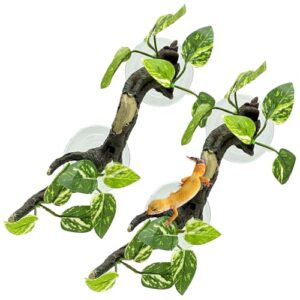
When glass tanks are your only mounting surface, resin solves the anchoring problem outright. Fhiny’s branches use two suction cups per piece, rated to hold on clean, smooth glass or acrylic without the epoxy or dowel work bark demands.
Non-porous resin resists mold in humid enclosures and wipes clean with mild soap. Bark texture and soft leaves give geckos and chameleons grip, though heavier dragons risk detachment. Fine for corn snakes and small chameleons; skip it for anything pushing suction limits.
| Best For | Reptile owners with small to mid-sized climbing species like corn snakes, geckos, and chameleons who have clean glass or acrylic tanks for secure suction mounting. |
|---|---|
| Material | Resin/plastic |
| Mounting Type | Suction cups |
| Target Species | Snakes, dragons, geckos |
| Humidity Suitability | Humid-tolerant |
| Setup Effort | Low, suction mount |
| Size Range | 8.66 in |
| Additional Features |
|
- Two suction cups per branch offer secure, tool-free attachment to glass or acrylic without epoxy or dowels
- Non-porous resin resists mold and wipes clean easily, making upkeep simple in humid setups
- Lifelike bark texture and soft leaves give climbing species grip while adding natural-looking decor
- Not recommended for larger or heavier reptiles, as suction cups may detach under extra weight
- Needs a perfectly clean, smooth surface for the suction cups to hold properly
- Leaves and stems may look less realistic and feel less durable over extended use
7. Natural Driftwood for Aquarium and Reptile Decor
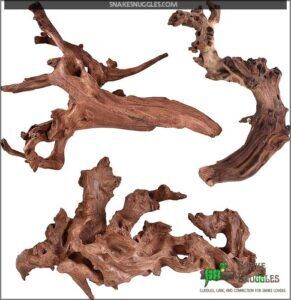
Pull this piece straight from an aquarium tank and it works just as well perched in a terrarium. That’s the appeal of true driftwood: it doesn’t care whether it’s wet or dry.
Boil and soak before use, though, since raw pieces bleed tannins that stain water and shift pH. Some chunks float until fully saturated, so weight or tether them down.
Rinse thoroughly first. Surface debris and hitchhiking pests have no business near your reptile.
| Best For | This driftwood is best for aquarium and terrarium owners who want a natural, multi-use piece for aquascaping, moss trees, or reptile climbing decor. |
|---|---|
| Material | Natural wood |
| Mounting Type | Freestanding |
| Target Species | Turtles, fish |
| Humidity Suitability | Aquatic/humid |
| Setup Effort | Moderate soak/boil |
| Size Range | 6-10 in |
| Additional Features |
|
- Versatile enough to move between aquariums, terrariums, and standalone home decor
- Sturdy and durable, holding up well underwater or in dry setups
- Gives fish and reptiles functional hiding, grazing, climbing, and basking spots
- Releases tannins that can discolor water and require more frequent water changes
- May float at first, so it needs weighting or tethering until fully saturated
- Actual shape and size can vary noticeably from the product images
8. Natural Reptile Branch Terrarium Decoration
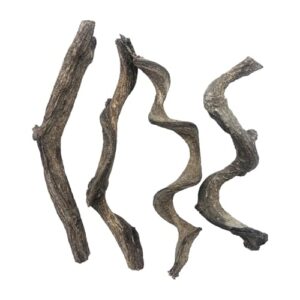
Vine-shaped and unbranded, this style shows up under a dozen labels, but the traits stay consistent: kiln dried, mold spore free, moisture stabilized to 12-14% before shipping. That range matters. Push past it and warping shows up within weeks in a humid enclosure.
Edges come sanded smooth, so climbing claws won’t snag or split skin. Mount with stainless hardware, not adhesive alone, since generic vine branches vary in density and won’t hold rated weight the same way twice.
| Best For | Reptile owners with lizards, bearded dragons, geckos, chameleons, snakes, or frogs who want natural-looking climbing decor for desert or tropical glass enclosures. |
|---|---|
| Material | Vine wood |
| Mounting Type | Freestanding |
| Target Species | Lizards, dragons, geckos |
| Humidity Suitability | Prone to mold in humidity |
| Setup Effort | Low |
| Size Range | 12.99 in |
| Additional Features |
|
- Natural vine branch shapes give reptiles varied, textured surfaces for climbing
- Versatile enough to suit a range of species and both desert and tropical enclosure styles
- Compact size (about 12.99 inches long) fits easily into most standard terrariums
- Natural variation means width and length differ from branch to branch, so it’s hard to know exactly what you’ll get
- Can develop mold in humid terrariums that lack good ventilation
- Too thin to serve as a primary basking spot for larger or heavy-bodied snakes
9. Duspro 10FT Reptile Moss Vine
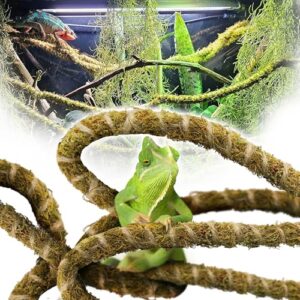
Ten feet of moss vine sounds excessive until you’re layering a tall bioactive build. Duspro’s version bends into coils, arches, and spirals without cracking, giving you vertical complexity most single branches can’t match.
Keep it dry, though. This isn’t misting-friendly like cork bark; wet conditions invite mold fast. Anchor it to existing branches rather than relying on it alone, since it holds shape but not structural weight. Best used as connective tissue between sturdier climbing points.
| Best For | Reptile and amphibian keepers building tall, bioactive terrariums who want flexible, natural-looking climbing structures for arboreal species like crested geckos, gargoyle geckos, and tree frogs. |
|---|---|
| Material | Natural moss |
| Mounting Type | Accessories separate |
| Target Species | Snakes, lizards, geckos |
| Humidity Suitability | Requires dry conditions |
| Setup Effort | Low, needs mounts |
| Size Range | 118 in |
| Additional Features |
|
- Bends into coils, arches, and spirals for creative, vertical layouts without cracking
- Made from 100% natural, chemical-free moss for an authentic jungle look
- Versatile enough to combine with rocks, plants, and hides for layered habitat design
- Doesn’t include mounting hardware like hooks or suction cups, so you’ll need to buy those separately
- Can shed small moss particles when handled or bent
- Must stay dry, since misting or wet substrate can lead to mold
10. SubstrateSource Natural Cholla Wood 4 Inch 3 Pack
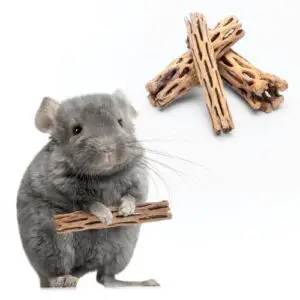
Skeleton-like and hollow, cholla wood looks fragile but holds up fine for lightweight climbers, hermit crabs, and shrimp grazing on biofilm. Each 4-inch piece runs 0.5 to 1.5 inches thick, three per pack.
Boil or soak before use; this pulls tannins that otherwise tint water light brown. It floats until saturated, so weight it down or anchor it to heavier decor. Not a load-bearer, but perfect for humid corners needing texture, hiding spots, and moss attachment points.
| Best For | Aquarium and reptile keepers who want a natural, budget-friendly way to give shrimp, hermit crabs, and small fish extra grazing surfaces and hiding spots. |
|---|---|
| Material | Cholla wood |
| Mounting Type | Freestanding |
| Target Species | Shrimp, fish, crabs |
| Humidity Suitability | Aquatic/humid |
| Setup Effort | Moderate soak/boil |
| Size Range | 4 in |
| Additional Features |
|
- Creates natural hiding spots and grazing surfaces for shrimp, small fish, and hermit crabs
- Versatile enough for aquariums, reptile habitats, or as chew material for small pets like chinchillas
- Compact and lightweight, making it easy to arrange or combine with other decor
- Floats until fully waterlogged, so it needs to be weighted down or anchored
- Releases tannins that can tint water light brown, even after boiling
- Thinner pieces may not stay submerged on their own without extra support
Humidity-Safe Branch Materials Compared
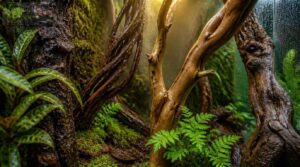
Not every branch experiences moisture the same way, and picking wrong means mold, warping, or a collapse you didn’t see coming. Some materials shrug off daily misting; others need bone-dry conditions to survive. Here’s how the top contenders stack up against each other.
If you’re weighing snake bites alongside moisture concerns, this guide on materials that resist snake fang penetration breaks down which fabrics hold up best when layered for real protection.
Cork Bark
Cork oak bark earns its reputation in rainforest builds for one reason: structural integrity holds firm up to 85% RH, daily misting included. Suberin blocks water penetration, resisting mold and wood rot far longer than untreated woods.
That granular surface gives excellent natural grip texture, even when damp. Wedge pieces tightly or add non-toxic silicone for secure anchoring; loose bark under climbing weight is asking for trouble. This property is discussed in detail in the article on cork biology suberin blocks water.
Spider Wood
Waterlogged origins give spider wood a dense, gnarled grain that grips like a rock face, ideal for arboreal snakes under moderate loads.
Its moisture resistance beats softwoods, resisting warping under daily misting, though microcracks can widen if humidity swings hard.
Buy non-toxic certified, cured pieces only, and secure hardscape anchoring tight; loose limbs under climbing weight invite mold and wood rot fast.
Natural Driftwood
Grip is one thing, but water chemistry is another headache spider wood doesn’t hand you.
Freshwater driftwood from maple or pine leaches tannins, staining water or misting runoff amber over weeks. Soak and scrub off any salt residue before install, then check for cracks confirming structural integrity. Biofilm forms in humid crevices; wipe it down rather than scrub bare, since light growth actually helps grip.
Resin Branches
No tannins, no soaking, no water chemistry to babysit. Resin branches simulate wood without the maintenance headache, holding shape through repeated misting cycles without warping or cracking.
- Wipe clean in seconds, no scrubbing biofilm
- Non-porous surface resists mold colonization
- Drill or tie for secure anchoring
- Grain and bark texture look convincingly real
Woods to Avoid
Not every branch belongs in your enclosure. Toxic wood types like oleander and yew cause real poisoning risks, while cedar or pine off-gas oils triggering respiratory issues in humid air.
| Wood | Risk | Fix |
|---|---|---|
| Cedar/Pine | Oils | Avoid |
| Oleander | Toxic | Discard |
| Saltwater driftwood | Salt residue | Soak/test |
Chemical treatments and saltwater risks demand moisture testing before installation.
Choosing Safe Branches for Snakes
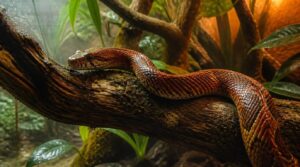
Not every branch that looks sturdy can actually hold a snake safely. Weight, diameter, texture, toxicity, and enclosure fit all decide whether that piece of wood becomes a climbing feature or a hazard waiting to happen. Here’s what to check before you commit to a branch.
For a deeper look at matching sizes and securing your setup, choosing climbing branches for arboreal snakes walks you through what actually works in practice.
Snake Size and Weight
A 40-gram hatchling and a 45-kilogram Burmese python have nothing in common structurally, so match branch capacity to actual body weight, not species reputation.
Juveniles grow fast; a 25mm limb holding 600g works fine now but won’t in eight months. Track weight monthly, factor in maturity gains, and upgrade before girth outpaces your setup, not after.
Branch Diameter
Two thirds of trunk diameter, that’s the ratio to hold as branches fork off your main support limb, since anything thinner snaps under sudden weight shifts.
Under 1.5cm fails outright. A 25mm cork bark piece controls 600g fine, but climb structures above 10cm need dedicated anchoring, more force means more stress on every joint.
Texture and Grip
Smooth bark looks tidy but betrays your snake the moment humidity spikes. Porous surface grip beats sealed wood every time, since trapped micro droplets and capillary action hold claws steady.
- Rough bark texture for secure footholds
- Mixed textures engaging different skin receptors
- Directional grooves for lateral stability
- Sanded sections for quick directional shifts
Uniform bark from base to tip keeps grip predictable, and that’s grip security you can count on.
Material Toxicity
A branch that looks harmless can still poison the air your snake breathes. High humidity accelerates phenol and tannin leaching from untreated woods, irritating skin and airways. Watch for pesticide residues too.
| Material | Risk Level | Notes |
|---|---|---|
| Chemical-free branches | Low | Reptile safe materials |
| Resinated wood | Moderate | VOC off-gassing |
| Cholla wood | Low-Moderate | Silica particle irritation |
Enclosure Fit
A perfect branch means nothing if the tank around it fights back. Keep 20 percent headroom above your tallest perch, 5 cm clearance for body twists, and 8 cm ground allowance.
- 60 cm continuous vertical reach
- Door alignment matching branch height
- Humidity tolerance matched to species
- Secure anchoring at every intersection
Skimp on fit, and even a well-rated branch turns into a hazard.
Installing Stable Climbing Frameworks
A good branch means nothing if it shifts under weight or collapses at the first intersection. Stability comes down to anchoring method, placement, and how well the whole structure mimics a real canopy. Here’s what actually holds up once your reptile starts putting it to the test.
Secure Anchoring Methods
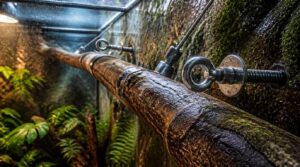
Anchoring only works if the hardware outlasts the humidity. Choose corrosion-resistant hardware, stainless steel dowel pins or eye bolts rated for wet enclosures, with embedment depth at least 1.5 times the anchor diameter.
Maintain a 5 to 1 safety margin between rated load and expected weight. Distribute load across multiple points, inspect anchors every 30 days, and skip suction cups unless glass stays spotless and dry.
Branch Intersections
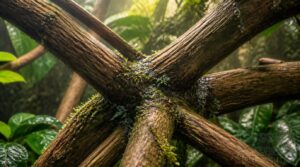
Hardware keeps the frame up, but the branches themselves need to talk to each other. Every crossing point should share load distribution across contacts, not stack weight on one joint. Smooth contact surfaces prevent moisture trapping and let fiber bonding grip hold. Check for:
- Joint stability under flex
- Even weight-bearing capacity across intersections
- Species and enclosure compatibility at each junction
Fall Prevention
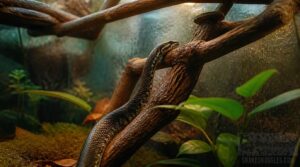
Even a well-joined frame fails a snake that misjudges a gap. Fall prevention starts below the branch, not on it: soft substrate or ground paths catch missteps.
| Risk Factor | Fix | Result |
|---|---|---|
| Smooth junctions | Non-slip surfaces | Better grip |
| Weak mounts | Secure anchoring | Stable load |
| Overhangs | Weight distribution | Fewer slips |
Suction cups need clean glass, rated to 2kg, checked monthly.
Natural Movement Pathways
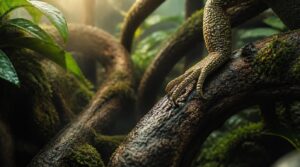
Catching a fall matters, but a snake that never misjudges the gap won’t need catching. That’s natural movement pathways, curved branch navigation with staggered grip points on bark, tactile feedback guiding each foot placement, and weight distribution routes that spread load evenly.
Match diameter and texture to species-specific climbing habits, and let humidity gradients shape which routes your reptile actually chooses to travel.
Bioactive Plant Integration
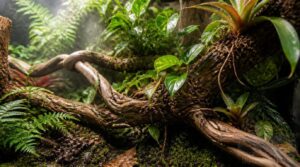
A branch is only half the framework; the other half grows roots. Wedge cork bark or spider wood beside ferns and pothos, letting leafy vines climb the same path your reptile does.
Trim roots before planting to avoid waterlogging, and keep substrate moisture balanced so beneficial microfauna thrive instead of anaerobic rot. Choose non-toxic species only, and let branches host epiphyte anchoring for bromeliads.
Preventing Mold, Rot, and Damage
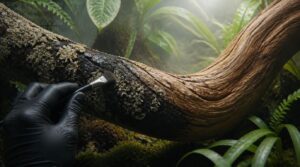
A branch that looks fine today can turn spongy and mold-streaked in a matter of weeks if humidity stays high and maintenance slips. Prevention here isn’t complicated, but it does need a schedule you actually stick to.
Here’s what that upkeep routine looks like, broken down into the checks and habits that keep your branches safe.
Daily Spot Cleaning
Mold doesn’t wait for a weekly schedule, it colonizes overnight in humid enclosures. Wipe branches daily with a reptile-safe cleaner, brush crevices free of debris, then dry surfaces completely within 15 minutes.
- Soft-bristle brush
- Microfiber cloth
- Reptile-safe disinfectant
- Digital moisture meter
- Spot-check log
Track recurring stains. If residue returns within 7 days, that branch needs deeper attention, not just another wipe-down.
Monthly Anchor Inspections
Once a month, every anchor gets checked, not just glanced at. Set a recurring date and treat it like watering day.
Run your inspection checklist steps: tighten loose bolts, inspect eye bolts for pitting, and confirm gaskets sit flush. A hardware wear assessment catches corrosion before it spreads. Test load distribution under simulated weight, note branch angle shifts, and log findings for secure hardscape anchoring and reliable fall prevention.
Moisture Monitoring
Numbers don’t lie, but eyeballing bark sure does. A digital moisture meter beats guesswork every time, especially near misting zones where ghost wood creeps past that 15% danger line fast.
- Calibrate sensors per wood type (resin coatings skew readings)
- Place probes at branch cores, not just surface bark
- Log wireless readings every 5-15 minutes for real-time tracking
Recalibrate annually. Drift happens.
Reptile-Safe Disinfection
Skip anything scented. Bleach diluted 1 to 32 (one cup per gallon), rinsed fully, works reliably. Clean debris first, disinfect, hold contact time 5-10 minutes wet, then rinse and dry completely before reptiles return.
Chlorhexidine or F10 suit sensitive setups. Wear gloves, ventilate well, and never mix products. Label bottles, log dilutions, reapply after heavy activity.
Branch Replacement Signs
A branch that flexes hard under normal climbing weight is telling you its structural integrity is compromised, don’t wait for a snap.
A branch flexing under normal weight is already warning you its structural integrity has failed
Watch for surface cracking within weeks, musty odors by week four, gray fuzzy mold, bore holes, or frass. Sawdust at the base means internal decay. Replace within two to six weeks of any of these.
Frequently Asked Questions (FAQs)
What is the best wood for a humid terrarium?
Cork bark reigns top, tough as nails against constant moisture. Its humidity resistance beats most woods outright. Spider wood offers similar stability, while grapewood needs drier conditions, below 50% RH, to avoid rot and mold.
What branches are safe for reptiles?
Safe branches pass toxicity screening, match your reptile’s size and weight, and offer surface texture for grip. Confirm moisture resistance, load testing, and species-specific climbing habits before installing any wood in your enclosure.
What is the best thing for a bearded dragon to climb on?
Grip matters more than looks here. Natural hardwood, 30–35mm thick, suits dragons at 300–500 g best. Pair with grape wood or cholla for varied diameters, rough texture, and a stable, evenly weighted climb.
Can I use tree branches in my vivarium?
Yes, if the tree species is nontoxic and free of pests. Dry fresh wood two weeks, scrub clean, check branch diameter for weightbearing needs, then anchor firmly, humidity tolerance and mold prevention still apply.
How often should climbing branches be rearranged for enrichment?
Picture a rainforest floor shifting overnight, vines swapping places while moss stays put. That’s your model: rearrange every 14 to 28 days, tightening to weekly during high activity, and watch grip changes at each intersection for stress within 48 hours.
Can different branch materials be combined in one enclosure?
Combining materials works, provided each piece passes branch compatibility testing for non toxic finishes.
Pair rough cork bark with smooth resin for texture variety, use independent anchors, and confirm moisture resistance so humidity tolerance and structural integrity hold across every joint.
Are painted or varnished branches safe for reptiles?
Only if fully cured, odor free, and labeled reptile safe. VOC emissions risk stays real even after curing, so stick with chemicalfree branches, nontoxic resin, or untreated reptile-safe wood types instead of gambling on paint toxicity levels.
Conclusion
A chain is only as strong as its weakest link, and in a humid vivarium, that link is usually the branch you picked for looks alone.
Cork bark and spider wood earn their keep because suberin and tannins actually fight rot, not just resist it for show.
The best climbing branches for humid habitats reward you with years of use.
Inspect anchors monthly, watch for soft spots, and your setup stays safe, stable, and genuinely alive.