This site is supported by our readers. We may earn a commission, at no cost to you, if you purchase through links.
Corn snakes don’t bite because they’re aggressive. In over a decade of reptile practice, nearly every bite I’ve seen traced back to a handler mistake, not a hostile animal. Corn snake bite prevention starts with recognizing that these snakes signal their discomfort clearly before striking, and most owners aren’t paying attention.
A tense body, a coiled neck, a tongue working overtime: these are warnings your snake broadcasts before contact. Miss them, and a bite feels random. Catch them, and you’ll find that avoiding bites is mostly a matter of preparation, timing, and knowing exactly what your snake is telling you.
Table Of Contents
- Key Takeaways
- Why Corn Snakes Bite
- Recognize Corn Snake Warning Signals
- Prepare Safely Before Handling
- Handle Your Corn Snake Correctly
- Know When Handling is Unsafe
- Prevent Bites Through Routine Care
- Frequently Asked Questions (FAQs)
- What smell do corn snakes hate?
- What material can snakes not bite through?
- How likely is it for a corn snake to bite you?
- What to do if you get bit by a corn snake?
- How do you stop a corn snake from biting?
- What if you get bitten by a corn snake?
- What to do if a corn snake bites your pet?
- Can corn snakes bite through gloves?
- What happens if a baby corn snake bites you?
- What Should I Do if I’m Bitten by a Corn Snake?
- Conclusion
Key Takeaways
- Corn snakes bite out of fear or confusion, not aggression, so nearly every bite can be prevented by reading the snake’s clear warning signals like S-shaped neck coiling, hissing, tail vibration, and head retraction.
- Wash food scents off your hands, approach from the side rather than above, and wake your snake gently before handling, since most bites stem from the snake mistaking you for prey or a predator.
- Handle with full body support, slow movements, and short sessions (5–15 minutes, 2–3 times per week), and never handle during shedding, within 48 hours of feeding, during illness, or right after habitat changes.
- Consistent feeding schedules, proper habitat conditions (85–90°F warm side, 65–75% humidity), and secure hiding places keep stress low, which is the foundation for a calm, bite-resistant snake.
Why Corn Snakes Bite
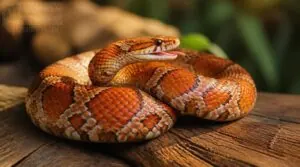
Corn snakes don’t bite out of malice — they bite because something in their world feels wrong. Understanding the triggers behind that behavior puts you in a much better position to prevent it. Here are the five most common reasons a corn snake will bite.
Once you know what sets them off, you can learn how often corn snakes actually bite and what drives the behavior — which makes prevention far more straightforward than most new owners expect.
Defensive Bites
When a corn snake feels cornered, it bites to protect itself, not to attack you. This defensive bite is the most common strike during handling, often linked to misreading body language.
Signs it’s defensive:
- A quick, open-mouth snap
- Retreating after the bite
- Shallow contact that rarely causes deep damage
Recognizing this helps you adjust before a bite occurs. Similar to how temporal feature sharing mechanisms help systems detect patterns across frames, recognizing repeated behavioral cues in your snake over time helps you anticipate and prevent defensive biting.
Feeding Response
Not every bite comes from fear. A feeding response bite happens when your snake is hungry and mistakes your hand for prey, committing to a strike before it realizes its error.
| Situation | Snake Behavior | What You Should Do |
|---|---|---|
| Near scheduled feeding time | Active striking posture | Postpone handling until after feeding |
| Handling prey beforehand | Immediate tongue-flicking, lunging | Wash hands before entering the enclosure |
| Disturbing mid-swallow | Releasing prey, disorientation | Leave the snake undisturbed |
Feeding schedule consistency reduces these moments. A predictable routine limits the time your snake spends at peak hunger, lowering the chance it treats your hand like a meal.
Scent Confusion
Your snake can’t identify you by sight alone. It reads the world almost entirely through scent, so lingering food odors on your hands or skin can make you smell like prey.
Scent confusion is a very real bite trigger. Wash your hands and arms before handling, and consider protective clothing if you’ve recently touched other reptiles or animals.
Handling Stress
Handling stress is one of the more overlooked bite triggers, but it’s just as real as scent confusion. If your corn snake is grabbed too quickly, held without proper support, or kept out for too long, its body reads that experience as a threat. A defensive posture often follows, and a bite isn’t far behind.
Keep handling sessions brief, especially early on.
Sudden Disturbances
Even something as simple as a sudden noise or movement near the enclosure can send your corn snake into a defensive posture. Always approach from the side, move slowly, and avoid tapping the glass.
Your snake isn’t being aggressive, it’s reacting to what feels like a predator. Respect that instinct, and you’ll rarely see it.
Your snake bites not from aggression, but from fear — respect that instinct, and it rarely strikes
Recognize Corn Snake Warning Signals
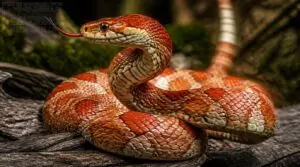
Before a corn snake bites, it almost always gives you fair warning — if you know what to look for. These signals aren’t random; they’re a clear language your snake uses when it feels threatened or overwhelmed. Learning to read the following cues can make the difference between a calm handling session and an unexpected nip.
Understanding these warning signs becomes much easier once you’re familiar with corn snake personality traits and temperament, which shape how your snake responds to handling stress.
S-Shaped Neck
The S-shaped neck coil is one of the clearest warning signals your corn snake can show you. Think of it as a loaded spring: the snake is storing energy for a rapid defensive strike, which can reach up to half its body length.
During brief handling sessions, if you spot this posture, stop and give the snake space right away.
Head Retraction
Head retraction is subtler than the S-curve but just as telling. When the head is retracted toward the body, the neck looks shorter and thicker. That’s one of the clearest stress signs in snakes, and this reptile behavior can appear in under a second. Watch for it during brief handling sessions so you can back off in time.
Hissing
A hiss is your corn snake’s clearest way of saying "back off." Produced by forcing air through the glottis, hissing signals active stress and often pairs with body flattening or head retraction.
Don’t dismiss it as aggression. It’s a defensive request for space, and respecting that signal right away can prevent a bite.
Tail Vibration
Tail vibration is easy to miss, but don’t ignore it. When a corn snake rapidly shakes its tail, it’s sending a clear distress signal, much like a rattlesnake warning you to back off.
This often pairs with body coiling during handling. If you spot that fast, buzzing movement, stop what you’re doing and give your snake space.
Musking or Defecating
When your corn snake musks or defecates during handling, it’s signaling that it feels threatened, not being defiant. This is a purely instinctive fear response.
Young corn snakes do this most often. With calm, consistent handling, musking usually fades over time. Treat any episode as a cue to end the session, then practice reptile hygiene by washing your hands well.
Prepare Safely Before Handling

Most bites happen before you even pick up your snake. A few simple steps before each handling session can make a real difference in keeping both of you calm and safe. Here’s what to do to set yourself up right.
Wash Away Food Scents
Your pet snake identifies food by scent alone, which means unwashed hands after touching prey are a genuine bite risk.
Wash away food scents by scrubbing with unscented soap for at least 20 seconds. For extra assurance, follow up with rubbing alcohol. Good reptile hygiene means you remove attractants before every handling session, and always let sanitizer dry completely first.
Approach From The Side
Predators attack from above, which is why a top-down hand triggers fear. Approach from the side instead, palm low and facing up. Good handling technique reads animal body language first. Consistent, calm approaches build positive reinforcement over time, reducing the need for protective gear.
- Hold your hand low and flat
- Pause briefly after first contact
- Stop if the snake tenses
Wake Your Snake Gently
Even the calmest snake bites if startled during handling. Stroke its body gently with a paper towel roll first, and wait for tongue flicking as confirmation. Skipping this step can trigger the S shape posture. Consistent waking builds positive reinforcement, especially in hatchlings.
| Tool | Best For |
|---|---|
| Paper towel roll | General waking |
| Snake hook | Nervous hatchlings |
| Soft cloth | Sensitive individuals |
Remove Nearby Distractions
Once your snake is awake and calm, the handling environment matters just as much as your technique. Unexpected sounds or movements can still trigger a defensive snake bite.
- Remove other pets from the area
- Turn off loud televisions or music
- Keep prey scents away from the space
- Ask children to watch from a distance
- Clear loose cords or wires nearby
Consider Lightweight Gloves
Lightweight gloves aren’t a sign of fear, they’re a practical tool, particularly for handlers still building confidence in snake identification and reading body language. A snug, breathable pair won’t dull your touch, but it does reduce the impact of a startled snap during handling.
Keep first aid supplies close and know basic bite wound care before you begin.
A compact first aid kit for wounds tucked nearby means you’re ready to handle any surprise nip quickly and calmly.
Handle Your Corn Snake Correctly
Once you’ve done the prep work, the way you actually pick up and hold your corn snake matters just as much. Good technique goes a long way toward building trust and keeping bites from happening in the first place. Here’s what to keep in mind every time you handle your snake.
Support The Whole Body
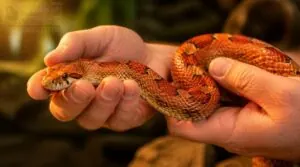
Your corn snake’s spine is surprisingly delicate, so support the whole body during every handling session. Place one hand beneath the neck and another firmly under the mid-body to distribute weight evenly. This prevents spinal stress and signals to your snake that it’s safe.
That steady sense of security is what builds lasting pet bonding outside the reptile enclosure.
Use Slow Movements
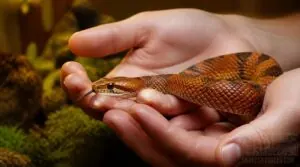
Think of your hands as signals. Every movement during snake handling communicates something to your corn snake. Moving slowly gives it time to recognize you’re not a threat, which reduces the chance of a defensive bite.
Reading the subtle cues behind a corn snake’s behavior, like tail flicking or head retraction, helps you adjust your handling before stress turns into a strike.
Rapid, jerky motions trigger prey instincts almost immediately. Keep your pace deliberate and steady, and this simple reptile care habit builds lasting pet bonding.
Allow Free Exploration
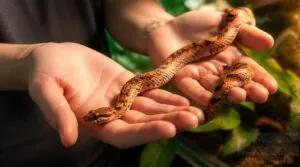
Once your corn snake settles in your hands, let it move freely rather than gripping it too tightly. That restraint is what safe handling really looks like in practice.
Free exploration lets your snake investigate you at its own pace, which steadily reduces defensive responses. For hatchlings and juveniles especially, allowing this movement at each handling frequency builds lasting trust.
Start With Short Sessions
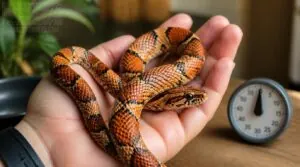
New snakes need time to adjust, and short handling sessions make that process far less stressful for both of you. Begin with 5-minute sessions a few times a week, especially with hatchlings and juveniles, who stress and tire quickly.
As your snake stays calm throughout each session, extend the time gradually. Always schedule handling well outside your regular feeding schedule.
Avoid Grabbing The Head
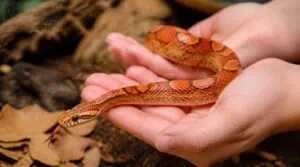
Your snake’s head is its most guarded zone. Predators target it first in the wild, so grabbing the head during snake handling causes immediate defensive biting, no matter your handling frequency or experience.
Scoop from beneath instead, and let the head move freely. A bite still means basic first aid. Support the body, stay calm, and your snake will too.
New keepers often find that a gentle, stress-free way to handle a snake builds trust faster, since a calm snake is far less likely to bite.
Know When Handling is Unsafe
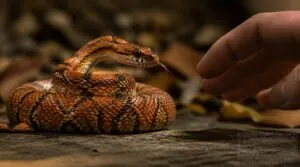
Even with the best handling habits, there are times when picking up your corn snake is simply the wrong call. Knowing when to hold off is just as important as knowing how to hold on. Here are the key situations when handling should wait:
During The Shedding Cycle
During the shedding cycle, even a tame corn snake can become defensive. Cloudy eyes impair vision, making your hand look like a threat.
Avoid handling if you notice:
- Blue or cloudy eyes
- Dull, tight skin
- Increased hiding
- Refusals to eat
- Frequent hissing
Juveniles especially need this time undisturbed. Bites during shed rarely need first aid, but prevention is always better.
Within 48 Hours Post-Feeding
After feeding, your corn snake needs 48 hours undisturbed to digest properly. Picking it up too soon, even if it’s tame, puts pressure on a full stomach and can trigger regurgitation or a defensive snake bite.
Juveniles are especially vulnerable to this. These preventive measures are simple: watch for a visible midbody bulge and wait before safely resuming any handling.
During Illness or Lethargy
A lethargic corn snake is telling you something. Even a tame snake bites more readily when sick, because weakness makes it feel threatened. Safe handling simply isn’t realistic here.
Watch for reduced movement, excessive hiding, or wheezing to identify the snake’s condition. Use a communication device to log symptoms and share them with your vet before resuming any handling.
After Habitat Changes
Rearranging your corn snake’s enclosure, even with the best intentions, is a form of habitat encroachment that disrupts its sense of safety. Wait at least 7-10 days before resuming handling after major habitat changes.
Identify your snake’s adjustment signs, like increased wall surfing or a reduced appetite, before returning to your regular routine. Rushing that window raises bite risk considerably.
When Stress Signals Appear
Your corn snake’s body is always communicating. When you notice rapid, jerky movements, a neck coiled tight, or a head retracted sharply away from your approaching hand, treat those as clear refusals. Frantic tongue flicking and clouded eyes carry the same message. Don’t push through those signals. Put the snake back and try again when it’s calmer.
Prevent Bites Through Routine Care
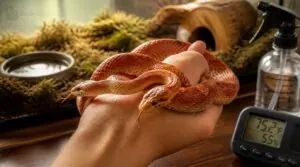
Good handling technique only gets you so far — what happens between sessions matters just as much. A calm, well-cared-for corn snake is far less likely to bite in the first place, and that starts with how you manage its environment and routine. These five habits lay the groundwork for a snake that trusts you over time.
Provide Secure Hiding Places
A corn snake that feels exposed is a snake on edge. Wildlife awareness tells us wild snakes stay hidden most of the time, so mirroring that in captivity matters. Provide secure hiding places on both sides. Three essentials:
- Two snug hides
- A humid hide with damp moss
- Non-toxic materials with no sharp edges
Good snake behavior helps with safe handling.
Maintain Proper Habitat Conditions
A stressed snake bites more readily. Proper habitat conditions reduce that risk for any snake species.
| Condition | Target Range | Why It Matters |
|---|---|---|
| Warm side temp | 85-90°F | allows thermoregulation |
| Cool side temp | 70-75°F | Provides thermal retreat |
| Humidity | 65-75% | Reduces shedding stress |
Monitor your snake’s environment daily with two separate thermometers. Unstable temperatures or low humidity increase aggression, making safe handling harder.
Follow Consistent Feeding Schedules
Hunger is one of the most common triggers for accidental bites. When you follow consistent feeding schedules, your corn snake learns when food is coming, reducing feeding-response strikes.
Feed hatchlings every 5-7 days, juveniles weekly, and adults every 7-14 days. Consistent feeding helps exercise for reptiles and healthy weight, keeping these preventive measures and safe handling tips easier to maintain.
Because each species has its own temperature, humidity, and hiding needs, a well-planned species-specific snake habitat design makes it easier to spot when something’s off.
Since sunbeam snakes eat a varied mix of small mammals, amphibians, and reptiles, this sunbeam snake care sheet with photos and facts can help you plan meals.
A steady routine only works when each meal is prepared correctly, so check out this beginner’s guide to feeding snakes properly for tips on thawing prey safely and offering it with tongs.
Avoid Excessive Handling
Every snake has a threshold, and pushing past it invites a snake bite. Keep handling to 2-3 times per week, with sessions lasting no longer than 10-15 minutes.
Beginners should start at 5 minutes. Handling your snake every day builds cumulative stress. Think of it as a risk mitigation strategy and a key preventive measure for peaceful coexistence with your pet.
Build Trust Gradually
Trust isn’t built overnight. Build trust gradually through consistent scent, timing, and calm rewards, since these preventive measures are what shift a snake’s instincts over time.
Start with a worn shirt near the enclosure, then progress to brief, gentle contact. Solid handling safety habits, practiced consistently, cut your risk of a snake bite and reduce your need for first aid.
Frequently Asked Questions (FAQs)
What smell do corn snakes hate?
Corn snakes strongly dislike citrus, ammonia, and cinnamon scents. Hikers and campers often use these same smells as snake repellents for wilderness safety during outdoor recreation. Garlic and vinegar also act as natural snake deterrents.
What material can snakes not bite through?
No material is completely snakeproof, and that’s the quiet irony of protective gear. Thick leather and 900-denier nylon resist most snake bites, but first aid, wound care, and emergency response stay essential with venomous snakes.
How likely is it for a corn snake to bite you?
Bites from a corn snake are rare. In captivity, well under 5% of interactions result in a bite, and even then, it’s a minor puncture from small teeth, not a serious wound.
What to do if you get bit by a corn snake?
The tiniest wound can often spark the biggest alarm. Stay calm after a corn snake bite. These nonvenomous snakes rarely warrant full emergency treatment, but your first aid training and symptom recognition will still matter.
How do you stop a corn snake from biting?
You stop biting by reading your snake’s signals, moving slowly, supporting its body, and using safe handling techniques. Since these are nonvenomous snakes, prevention, not panic, is your goal.
What if you get bitten by a corn snake?
So the dramatic snake bite scene in your head? Not this time. A corn snake bite is a quick pinch, not an emergency response situation. Wash it with soap, watch for infection, and relax.
What to do if a corn snake bites your pet?
If a corn snake bites your pet, stay calm and separate them safely. Clean the wound with soap and water, then contact your veterinarian promptly, since bites can introduce infection requiring prompt treatment.
Can corn snakes bite through gloves?
Picture a pinprick, not a puncture. Yes, corn snakes can bite through thin gloves, like latex or cloth. Choose thick leather or double layers, and remember gloves never replace safe handling habits.
What happens if a baby corn snake bites you?
A baby corn snake bite feels like a light pinch, leaving tiny puncture marks that bleed briefly. Since they’re non-venomous, you won’t see symptoms of envenomation. Wash with soap, apply antiseptic, and watch for infection.
Since young corn snakes usually bite out of nervousness rather than aggression, this guide to why baby corn snakes bite explains how to handle them calmly.
What Should I Do if I’m Bitten by a Corn Snake?
Stay calm, gently pull free, then wash the bite with soap and warm water. Cover it with a clean dressing. A corn snake delivers a dry bite, so this rarely becomes a medical emergency, but watch for infection.
Conclusion
Corn snake bite prevention is a conversation, and your snake is always talking. The S-shaped neck, the hiss, the restless tongue, each one is a sentence in a language worth learning. Listen closely, and bites become rare. Miss the message, and you’ll blame a snake that warned you twice. Your corn snake doesn’t want to bite you, so give it every reason not to.
Read the signals, respect the timing, and trust follows.