This site is supported by our readers. We may earn a commission, at no cost to you, if you purchase through links.
A corn snake should breathe so quietly that you rarely notice it. When a tick appears with each breath, it deserves a closer look.
A corn snake clicking sound breathing can come from something minor, such as a sliver of retained shed over a nostril. It can also signal thick airway mucus, poor enclosure conditions, or an early respiratory infection. The sound alone does not tell the whole story; its timing, volume, and the snake’s behavior matter.
Start by checking the conditions your snake lives in, then watch for the signs that turn a small noise into a veterinary concern.
Table Of Contents
Key Takeaways
- A corn snake should normally breathe quietly, so clicking that persists, worsens, or occurs with other symptoms needs attention.
- Common causes include retained shed over the nostrils, incorrect heat or humidity, poor ventilation, dirty substrate, airway debris, or a respiratory infection.
- Check and stabilize husbandry first: maintain a proper temperature gradient, 40–60% humidity, clean substrate, fresh airflow, and a humid hide during shedding.
- Seek same-day reptile veterinary care for open-mouth breathing, neck elevation, mucus or bubbles, nasal discharge, marked lethargy, appetite loss, or louder breathing sounds.
Why is My Corn Snake Clicking?
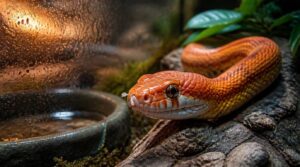
A corn snake may click for something as simple as a bit of retained shed or as serious as a respiratory infection. The sound itself is a clue, but its timing and any other symptoms matter just as much. Start by considering these common causes.
While monitoring symptoms, review this guide to corn snake temperament and normal behavior to spot changes in your snake’s usual demeanor.
Respiratory Infection and Airway Mucus
A respiratory infection is a common reason a corn snake begins clicking. Inflamed airways produce thicker mucus, which can narrow passages and cause clicking, wheezing, or mucus discharge.
Watch for:
- louder breathing
- bubbles at nostrils
- repeated swallowing
- openmouth breathing
- reduced activity
These signs need prompt assessment by a reptile veterinarian. Infection can worsen quietly, like fluid collecting in a tube.
Incorrect Temperature or Humidity
After infection is considered, check the climate. Incorrect temperature or humidity can dry airway mucus, trigger clicking or wheezing, and make a respiratory infection more likely. Keep conditions steady. Respiratory infections need antibiotics prescribed by an exotic veterinarian and do not resolve on their own.
| Check | Safe target |
|---|---|
| Warm side | 28–30°C (82–86°F) |
| Cool side | 21–24°C (70–75°F) |
| Night low | 18–20°C (65–68°F) |
| Humidity | 40–60%; maintain enclosure hygiene |
Use probes at snake level. Persistent noise needs prompt veterinary care.
Poor Ventilation and Dirty Substrate
Even with correct temperatures, poor ventilation can trap damp air, odors, dust, and waste-related irritants near your snake’s head. This may cause clicking or wheezing, especially when humidity remains high.
Dirty substrate also encourages microbial growth. Spot-clean feces and urates promptly, replace wet areas, and deep-clean regularly. Good enclosure hygiene and substrate hygiene help keep the air cleaner and reduce airway irritation.
Retained Shed Blocking Nostrils
After a poor shed, thin skin can remain over nostrils. This retained shed can narrow airflow and create a click with each breath, sometimes resembling a respiratory infection.
- Check nostrils after every shed.
- Use a humid hide, not force.
- Seek veterinary help if breathing worsens.
Don’t pull dry skin. Persistent nostril blockage suggests a husbandry failure, despite enclosure hygiene alone.
Airway Debris or Oral Inflammation
When airway debris or oral inflammation is present, thick mucus, saliva, or cheesy material can shift with each breath and cause clicking. Mouth infection may also cause bad odor, bubbles, swelling, or discomfort when swallowing.
For a fuller checklist of unhealthy ball python symptoms, watch for persistent noise, open-mouth breathing, or nasal discharge.
Check gently for visible discharge. Don’t scrape material away. Openmouth breathing, repeated bubbles, or persistent noise needs prompt reptile-veterinary care, since debris can enter the lungs.
Normal Versus Concerning Clicking Sounds
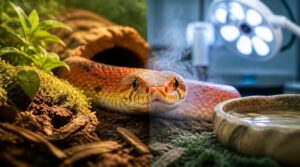
Not every clicking sound means your corn snake is sick. Brief noise can occur with normal body changes, but certain patterns deserve prompt attention. Use the signs below to tell the difference.
Clicking During Shedding
A soft, intermittent click can occur during shedding, especially if stuck shed partly covers the nostrils. Mild swelling and loosening skin can narrow these tiny passages temporarily.
Support clean shedding with humidity control, usually 60 to 70 percent and a humid hide. Dysecdysis means abnormal retained shed. The sound should stop after the shed finishes. Persistent clicking may indicate a respiratory infection.
Choosing the right hides matters just as much during a shed, so browse these ball python hides for bioactive setups before you buy.
Breathing Changes After Large Meals
After a large meal, your corn snake may breathe deeper or more often for several days. Digestion sharply raises oxygen demand, especially during the first 24 to 48 hours, and mild temporary clicking can occur as the glottis repositions.
Keep handling minimal and monitor weight. Persistent clicking, feeding refusal, or signs of obesity-related dyspnea warrant veterinary assessment for possible respiratory infection.
Temporary Noise From Temperature Drops
A brief nighttime chill can cause temporary clicking as breathing slows and mucus clears less efficiently. It should stop once temperatures stabilize.
- Keep the warm side 80 to 85°F.
- Provide a 75 to 80°F cool side.
- Maintain appropriate humidity and a steady thermal gradient.
Don’t quarantine solely for this finding unless respiratory infection signs develop.
Persistent or Worsening Clicking
Persistent clicking is not normal. If it lasts beyond 24 to 48 hours, grows louder, or occurs more often, suspect a respiratory infection. Wheezing, mucus, or bubbles near nostril make this more concerning.
| Pattern | Likely meaning | Action |
|---|---|---|
| Improving | Temporary irritation | Monitor |
| 24–48 hours | Early concern | Correct husbandry |
| Worsening | Infection progressing | Book vet |
| Audible nearby | Airway inflammation | Urgent veterinary care |
Discharge or Open-Mouth Breathing
Discharge or open-mouth breathing is an emergency. Mucus, bubbles, or crusting around the nostrils, especially with wheezing, strongly suggest a respiratory infection rather than harmless clicking.
Do not wait to see if it passes. Keep your snake warm within its proper gradient, minimize handling, and arrange veterinary care the same day. Open-mouth breathing means your snake is struggling to move air.
Recognizing early signs of respiratory infection in snakes before symptoms become severe gives your vet a better chance of a full recovery.
Open-mouth breathing means your snake is struggling for air and needs same-day reptile veterinary care
Check Your Corn Snake’s Enclosure
A quick enclosure check can reveal problems that make breathing noises more likely. Correcting these issues early may help prevent mild irritation from becoming more serious. Start with these five areas:
Verify Warm and Cool Zones
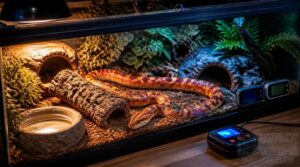
Confirm the temperature gradient before assuming clicking is respiratory. Use two digital thermometers and a thermostat for reliable enclosure monitoring:
- Keep the cool side temperature 75–80°F.
- Set warm side temperature 80–85°F.
- Provide an 88–92°F basking area.
- Check warm-hide surfaces: 83–88°F.
- Recheck readings morning and evening.
Cold snakes digest poorly; overheating causes stress. This helps identify husbandry errors before illness takes hold.
Measure and Stabilize Humidity
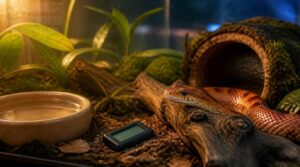
Once the temperature gradient is correct, check humidity with a digital reptile hygrometer placed away from the water bowl and misting areas. Allow 30 minutes for the reading to settle.
Aim for 40% to 60% humidity. Provide a humid hide during shedding rather than wetting all substrate. Check morning and evening. Good enclosure monitoring prevents sudden spikes and helps steady humidity control.
Improve Airflow Without Chilling
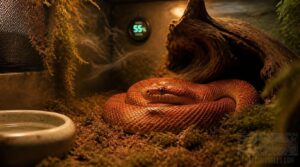
Good humidity still needs gentle ventilation. Provide an intake and outlet vent so fresh room air can move through the enclosure without creating a draft. Keep both openings clear and avoid placing the enclosure against a wall that blocks them.
If you use a small fan, aim it across the room or past the enclosure, never at the snake or basking area. Strong airflow can lower surface temperature and dry the snake after soaking.
Remove Waste and Replace Substrate
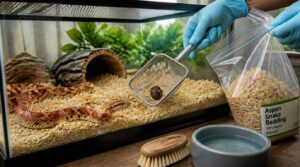
Fresh airflow won’t fix poor enclosure sanitation when waste remains beneath bedding. Remove feces, urates, and damp substrate daily. Seal waste in a bag before disposal.
- Scoop surrounding soiled bedding
- Replace wet paper immediately
- Wash water dishes weekly
- Disinfect decor regularly
- Quarantine sick snakes separately
Replace substrate every 3–4 months, sooner for odor, mold, gnats, unstable humidity, or low temperature.
Check Nostrils for Retained Shed
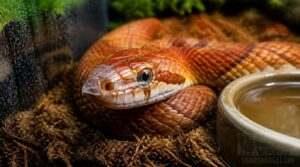
After each Shed Cycle, check nostrils under bright light for a whitish film or thin skin at either opening. Retained Shed can narrow airflow and cause clicking.
Raise humidity to 60–70% and offer a Humid Hide with damp Sphagnum Moss. After a 20–30 minute lukewarm soak, gently wipe only loose skin with a damp cotton swab. Don’t pull attached shed.
When Clicking Needs Veterinary Care
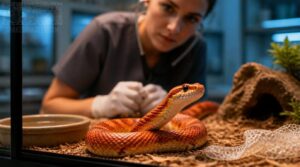
A brief click during shedding may pass, but persistent breathing noise deserves close attention. Corn snakes can hide illness until their condition has progressed. Watch for the following signs that mean you should contact a reptile veterinarian.
Open-Mouth Breathing or Neck Elevation
Open-Mouth Breathing or Neck Elevation while resting is not normal in a corn snake. A snake that lifts its head and extends its neck may be trying to keep its airway open, especially if clicking or Wheezing occurs.
Treat this as urgent. Keep the enclosure warm and stable, minimize handling, and arrange prompt assessment with a reptile Veterinarian. Don’t force the mouth closed or attempt home treatment.
If she’s straining, lethargic, or hasn’t passed anything after several days, this guide to snake egg binding signs and treatment options can help you tell normal laying from a true emergency.
Mucus, Bubbles, or Nasal Discharge
When clicking occurs with mucus, bubbles, or nasal discharge, arrange prompt care with a Reptile Veterinarian. Clear fluid, thick strings, crusted nostrils, or yellow-green discharge can signal a Respiratory Infection.
- Bubbles at the nostrils during exhalation
- Mucus around the mouth or nose
- Discharge that returns after gentle cleaning
Don’t probe the nostrils or give leftover medication. Keep conditions stable until the examination.
Lethargy, Weakness, or Dehydration
Lethargy, weakness, or dehydration alongside clicking warrants a prompt Reptile Vet visit. A corn snake that seems unusually sleepy, cannot move normally, or has dry skin and poor muscle tone may be struggling with more than a mild airway irritation.
A Respiratory Infection can drain energy quickly. Keep temperatures stable, provide fresh water, and seek urgent care if your snake becomes limp, confused-looking, or unresponsive.
Appetite Loss or Weight Changes
Appetite loss or weight loss with breathing concerns needs a reptile veterinarian promptly. A respiratory infection can make feeding difficult and drain essential reserves.
- Refusing two scheduled meals
- Noticeable spine or rib prominence
- Ongoing weight decline on a gram scale
Continue supportive care with correct heat and fresh water, but don’t force-feed unless your veterinarian directs you.
Louder or More Frequent Clicking
A louder Click or new Audible wheeze means the problem may be moving deeper into the airways. Increasing noise can reflect mucus buildup or Bronchial inflammation, and it should prompt a reptile-veterinary appointment within 24 hours.
| Pattern | What to do |
|---|---|
| Louder over 24–48 hours | Book examination |
| With Mucopurulent discharge | Seek urgent care |
Respiratory distress signs require same-day assessment without delay.
How Veterinarians Diagnose and Treat Clicking
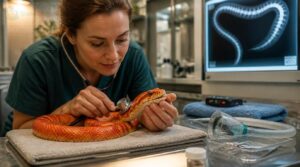
A reptile veterinarian will look beyond the sound itself to find the cause of your corn snake’s breathing change. The visit may involve a few straightforward tests and supportive treatments, depending on how ill your snake appears. Here’s what the diagnostic and treatment process may include.
Respiratory Exam and Health History
During the Respiratory Exam and Health History, your veterinarian asks when the noise began, whether it worsens, medications, shedding, appetite, weight, and enclosure conditions. They assess:
- Resting breathing effort and respiratory distress signs
- Any audible wheeze or clicking
- Nostrils and mouth for mucopurulent discharge
- Body condition and hydration
Findings may suggest airway mucus or bronchial inflammation.
Radiographs for Lung Involvement
If exam findings suggest bronchial inflammation or deeper disease, your veterinarian may take radiographs. These X-rays assess lung volume, airway position, and whether patchy or widespread opacity suggests mucus, infection, collapse, or other lung involvement.
They also help separate poor inflation from true disease. Snakes showing respiratory distress signs, mucus, or bubbles usually need imaging promptly.
Cytology and Respiratory Cultures
When X-rays point to infection, your vet may collect mucus or airway fluid for closer analysis. Cytology examines cells under a microscope. Respiratory cultures grow and identify the exact bacteria behind a bacterial infection. Knowing the specific pathogen matters:
- It confirms a respiratory infection is truly present
- It guides targeted antibiotic selection
- It helps rule out fungal or parasitic causes
Medication, Oxygen, or Nebulization
Once the pathogen is identified, treatment can begin. A confirmed bacterial infection often calls for antibiotic treatment matched to culture results.
In more severe cases, oxygen therapy helps stabilize a corn snake with a serious respiratory infection. Nebulization converts liquid medication into a fine mist your snake inhales directly, letting the drug reach infected airway tissue that oral routes can’t always access.
Quarantine and Enclosure Disinfection
If your snake has an active infection, quarantine is non-negotiable. A separate enclosure stops pathogens from reaching any healthy animals nearby.
Clean the original setup thoroughly before disinfecting. A substrate change removes contaminated bedding. Apply disinfectant to all surfaces, following the label contact time exactly. Review enclosure design and ventilation adequacy so humidity and airflow can support recovery, not relapse. For routine housing after recovery, corn snake substrate bedding should be low-dust, absorbent, and easy to spot-clean.
Frequently Asked Questions (FAQs)
Can clicking spread to other snakes?
An ounce of prevention beats a pound of cure. Clicking itself doesn’t spread, but a respiratory infection or infectious stomatitis can. Start a quarantine protocol and use separate tools for crosscontamination prevention until your veterinarian rules out contagious disease.
Should I handle my clicking corn snake?
Avoid handling until respiratory disease signs resolve and your snake eats normally. Reduce handling frequency, correct husbandryrelated illness, environmental stress, and ventilation adequacy. Seek veterinary care for discharge, open-mouth breathing, or worsening clicks.
How long can clicking last after shedding?
After a recent shed, clicking should fade within 24–48 hours. Mild respiratory variation may last 72 hours. Check enclosure design and humidity control. If it persists beyond three days or worsens, arrange a veterinary examination.
Can stress cause clicking in corn snakes?
Stress alone rarely causes clicking, but it can worsen respiratory disease. Reduce handling and check husbandry. Persistent noise may indicate nasal passage irritation or airway obstruction, so use behavioral observation and arrange a reptile veterinary exam.
Can clicking return after veterinary treatment?
Like a telegram from the past, yes, a click can return if mucus persists, antibiotics end early, or husbandry slips after treatment. Prompt rechecks matter, especially with bubbles, recurrent respiratory infection, or suspected airway obstruction.
Conclusion
Think of your snake’s breathing as a small lantern in the dark: when it burns cleanly, the enclosure and body are likely in balance. A corn snake clicking sound breathing is that lantern flickering, asking you to check heat, humidity, cleanliness, and shed.
Persistent noise or discharge needs prompt reptile veterinary care. Quiet breathing is the goal, but careful observation protects your snake before a faint warning becomes a larger, unseen health crisis.