This site is supported by our readers. We may earn a commission, at no cost to you, if you purchase through links.

Corn snakes hide their sickness well. In the wild, a sick snake is a target, so they’ve evolved to look fine right up until they aren’t. That means the wheeze, the skipped meal, or the dull patch of scales you noticed this morning might signal something that’s been brewing for weeks.
Here’s the good news: most corn snake health issues trace back to husbandry, and that puts you in control. Fix the temperature, dial in the humidity, quarantine new arrivals, and you prevent the majority of problems before they start.
The eight conditions below cover what I see most often in the clinic, what to watch for, and when to call for help.
Table Of Contents
- Key Takeaways
- 8 Common Corn Snake Health Issues
- How to Tell if Your Corn Snake is Sick
- Husbandry Problems That Cause Corn Snake Illness
- When Corn Snake Health Issues Need Veterinary Care
- How to Prevent Corn Snake Health Problems
- Frequently Asked Questions (FAQs)
- What are the common causes of death in corn snakes?
- What is the biggest trouble with corn snakes as pets?
- What are the signs that a corn snake is stressed?
- How harmful are corn snakes?
- Do corn snakes have health problems?
- How is eating corn beneficial to the body?
- What diseases do corn snakes get?
- What are the symptoms of corn snake disease?
- Are corn snakes venomous?
- What causes a corn snake to die?
- Conclusion
Key Takeaways
- Over 90% of corn snake health issues stem from husbandry mistakes—temperature, humidity, and hygiene—so fixing your setup prevents most problems before they start.
- Corn snakes hide illness instinctively, so subtle signs like appetite loss, wheezing, retained eyecaps, or steady weight loss (check monthly with a scale) often mean something serious is already underway.
- Respiratory infections are the top threat and a true emergency—open-mouth breathing, clicking sounds, or nasal bubbles warrant an immediate reptile vet visit, not home remedies.
- Prevention comes down to a few consistent habits: keep a 75–85°F gradient, quarantine new snakes for 60–90 days, spot-clean daily, feed appropriately sized prey, and schedule annual vet checkups with fecal testing.
8 Common Corn Snake Health Issues

Corn snakes are hardy, but they’re not invincible. Eight health issues come up again and again in captive corn snakes, and most of them are completely preventable once you know what to look for. Let’s walk through each one so you can catch problems early and keep your snake thriving.
If you spot anything off, our guide to corn snake health issues and symptoms breaks down the warning signs in detail.
Respiratory Infections
A respiratory infection can move fast in corn snakes. Watch for these warning signs:
- Wheezing or clicking breath sounds
- Open-mouth breathing at rest
- Nasal discharge or mucus near the nostrils
- Lethargy paired with appetite loss
- Froth or bubbles at the mouth
Poor temperature control weakens immunity and lets infections take hold. Fix your gradient and don’t delay a vet visit.
Mites and Internal Parasites
Respiratory trouble hits fast, but parasites play the long game.
Mites look like tiny moving specks around the eyes, vent, and scale folds, and they cause restless soaking and irritation.
Internal parasites often hide until a fecal examination confirms them.
Watch for weight loss despite normal feeding, loose stool, or lethargy.
Use quarantine protocols for new snakes, and deworming medications fix most cases.
A solid snake health routine covering quarantine steps and parasite prevention keeps your whole collection safer long term.
Stuck Shed and Retained Eyecaps
Parasites drain slowly, but stuck shed announces itself fast. After a shed, check for leftover skin, especially retained eyecaps clinging over the eyes. Low humidity is the usual culprit.
Fix it with proper humidity, a damp shedding box, and steady hydration maintenance. Never peel caps off yourself; you can scratch the eye. If they persist, see your vet.
Mouth Rot
Unlike stuck shed, mouth rot (stomatitis) hides inside. Watch for discolored gums, odor, and swollen gum tissue before gray or yellow plaques appear. It starts when bacteria invade small mouth injuries, often under damp, dirty, or stressful conditions.
You’ll notice refusal to eat or trouble closing the mouth. See your vet promptly; oral infection needs cleaning and antibiotics, plus fixed husbandry to stop recurrence.
Scale Rot
Scale rot starts quietly. You’ll notice dull, discolored belly scales, then blisters or open sores if dampness persists. A reliable under tank heater thermostat helps keep the warm side dry, since unregulated heat pads often drive moisture into the substrate.
Imagine this:
- A water bowl soaking one corner of the bedding
- Soggy aspen clumped under the hide
- Condensation fogging cool glass after every misting
- A snake parked on the wettest spot for days
Fix it fast: tighten humidity regulation, improve substrate selection, boost enclosure hygiene, and dry everything out. Severe ulceration needs veterinary intervention.
Thermal Burns
When your snake presses its belly against an unprotected heat mat, burns happen fast. Check surface temperatures, not just air readings, because hotspots can spike even with a proper temperature gradient. Use a thermostat, bury heaters under deep substrate, and shield any basking lamp.
Damp substrate worsens burns, so keep things dry. Blistered or ulcerated scales need a reptile vet promptly.
Regurgitation and Digestive Problems
Imagine this: your corn snake eats a fuzzy mouse on Tuesday, then brings it back up, whole and barely digested, on Thursday. That’s regurgitation, and it usually means something’s off with the setup or the meal.
Common culprits? Prey that’s too big, feeding when the enclosure’s too cool, or handling right after dinner. Stress and dehydration slow gut motility too, and internal parasites can trigger ongoing digestive upset.
Watch for feeding refusal, appetite loss, or weight loss between meals. If regurgitation happens more than once, skip the next feeding, double-check your temperatures, and call your reptile vet.
Obesity and Nutritional Imbalances
Here’s a striking one: captive corn snakes can carry 30% more body fat than their wild cousins, simply because we feed on schedule, not on need.
Obesity sneaks up fast when feeding frequency ignores seasons and growth stage.
Stick to a balanced diet of whole rodents, match prey size to your snake’s widest body point, and watch for nutritional deficiency signs like poor bone density.
How to Tell if Your Corn Snake is Sick
Your snake can’t tell you it feels awful, so you have to read the clues. Corn snakes hide illness well, and by the time they look sick, things are often serious.
Watch for these red flags:
- Open-mouth breathing, wheezing, or bubbles at the nose, which often point to a respiratory infection
- Appetite loss paired with lethargy, especially when it lasts past a normal post-meal slump
- Patchy sheds or retained eyecaps, usually a hydration or humidity problem
- Skin lesions, mouth discoloration, or unusual posture, like hiding constantly and struggling to right itself
Also check the poop. Watery, tiny, or oddly colored droppings tell you the gut isn’t happy. And weigh your snake monthly. Quiet, steady weight loss is one of the earliest illness signals you’ll catch. Trust your gut: if something feels off, it probably is.
A small digital gram scale for reptiles makes monthly weigh-ins quick and accurate, so subtle drops don’t slip past you.
Husbandry Problems That Cause Corn Snake Illness

Here’s the truth: most corn snake illness starts at home, not in the snake. Almost every health problem traces back to a husbandry failure somewhere in the setup.
Most corn snake illness starts at home, tracing back to a husbandry failure somewhere in the setup
Take incorrect temperature. A cool enclosure slows digestion, and that’s a fast track to regurgitation. Overheating does the opposite kind of damage, causing thermal burns on the belly.
Improper humidity is just as sneaky. Too dry, and your snake gets stuck shed and retained eyecaps. Too damp, and you’re inviting scale rot and skin infections.
Poor enclosure hygiene lets bacteria, fungi, and mites build up quietly. Dirty water bowls and soggy substrate are classic culprits.
Finally, inadequate substrate choice matters. Wet bedding or unsanitized decor from unknown sources can introduce mites and pathogens that flare under warm conditions.
Fix the environment, and you fix half the problem.
When Corn Snake Health Issues Need Veterinary Care
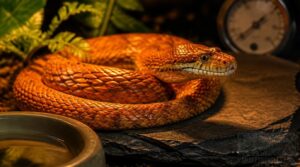
You’ve fixed the husbandry, but your snake still looks off. That’s your cue to stop guessing and call a reptile veterinarian.
Some situations can’t wait. If you see open-mouth breathing, wheezing, or bubbles at the nostrils, that’s a respiratory infection needing prompt treatment. Same goes for blood or foul odor from the mouth, which points to mouth rot.
Watch for these red flags:
- Rapid breathing that continues long after handling
- Refusing food plus repeated regurgitation
- No feces for weeks, especially with straining
- Tremors, weakness, or inability to right itself
Good symptom recognition means knowing your snake’s baseline. Sudden decline over a day? Go now. Skin sores spreading or burns with blistering? Don’t wait them out.
Solid enclosure hygiene and parasite prevention prevent many problems, but when illness strikes, veterinary care beats home remedies every time.
How to Prevent Corn Snake Health Problems

Here’s the good news: almost everything on that vet visit list is preventable. Prevention beats treatment, every single time.
Start with the basics. A proper thermal gradient (75–85°F) keeps digestion and immunity humming. Ventilation matters just as much as heat, so skip the solid-lid stuffy tank setup.
Your daily habits do the heavy lifting:
- Spot-clean daily and deep-clean monthly with reptile-safe disinfectant
- Quarantine new snakes for 60 to 90 days with separate tools
- Feed appropriately sized prey on a consistent schedule, then hands off for 48 hours
Keep humidity in range, dry those hides, and log weights and meals so you catch drift early. Annual regular checkups with a reptile vet, plus fecal testing, catch problems you can’t see.
Clean enclosure, stable routine, watchful eyes. That’s the whole formula!
Frequently Asked Questions (FAQs)
What are the common causes of death in corn snakes?
What are the common causes of death in corn snakes? Usually respiratory infection turning into pneumonia, sepsis from mouth rot or scale rot, severe internal parasites, thermal burns, or aspiration after regurgitation. Most trace back to husbandry.
What is the biggest trouble with corn snakes as pets?
Honestly? Respiratory infections. They’re the number one trouble, and they almost always trace back to husbandry: poor airflow, damp substrate, wrong temperatures. Nail proper humidity and ventilation, and you dodge most problems, including mouth rot and shedding issues.
What are the signs that a corn snake is stressed?
Think of a stressed snake like a check-engine light. Watch for openmouth breathing, wheezing, appetite loss, lethargy, excessive hiding, stuck shed, or loose stools. Behavior monitoring plus quick stress reduction keeps things healthy.
How harmful are corn snakes?
Corn snakes are harmless to humans. They’re not venomous, and aggression is rare. Worst case? A defensive bite that’s a tiny pinch. Just wash your hands afterward, since reptiles can carry salmonella.
Even with a gentle species like this, keeping a reptile first aid kit with saline, gloves, and your vet’s details on hand means a scratch or bite is easy to clean and treat.
Do corn snakes have health problems?
Yes, they do, though most are preventable. Watch for respiratory infections, mouth rot, lethargy, cloudy eyes, or dehydration. Keep temperatures and humidity right, clean the enclosure regularly, and see a reptile vet when symptoms persist.
How is eating corn beneficial to the body?
Eating corn adds steady carbohydrate energy, dietary fiber that helps digestion, B vitamins that fuel normal metabolism, and helpful antioxidants like lutein to your balanced diet. It’s genuinely a smart choice for everyday nutrition management.
What diseases do corn snakes get?
They’re surprisingly vulnerable! Respiratory infections, mouth rot, scale rot, parasitic infection, and various skin problems are the big ones. Regurgitation and obesity pop up too, and most of these trace right back to husbandry slip-ups.
What are the symptoms of corn snake disease?
Lethargy, anorexia, and rapid weight loss top the list. Respiratory infections bring open-mouth breathing or wheezing. Mouth rot causes visible lip discharge. Cloudy eyes, stuck shed, and sudden behavioral changes round out the warning signs.
Are corn snakes venomous?
Corn snakes are completely non-venomous and totally safe to handle. They’re constrictors, using body pressure to subdue prey rather than venom. A startled bite just causes a small puncture, so clean it and move on!
What causes a corn snake to die?
Most keepers don’t realize how fast poor husbandry kills a corn snake. Neglected enclosure hygiene, improper humidity, and incorrect temperatures trigger respiratory infection, dehydration, and metabolic bone disease, each quickly compounding into fatal organ failure.
Conclusion
Here’s a number that should change how you think: reptile veterinarians estimate that over 90% of corn snake health issues stem from husbandry mistakes, not bad luck or bad genetics.
That’s encouraging, not scary. It means your snake’s health lives mostly in your hands.
Check your temps weekly. Quarantine new arrivals. Watch for subtle changes, because your snake won’t complain out loud.
Get the basics right, and you’ll likely never meet most of these problems.