This site is supported by our readers. We may earn a commission, at no cost to you, if you purchase through links.

Feed a ball python too soon before handling, and you risk watching that meal come right back up. That’s not a guess, it’s biology: your snake’s body redirects blood flow and energy toward its stomach after a meal, and any stress can shut that process down fast.
Knowing how long to wait after feeding protects your snake from real harm, not just discomfort. A rat that took hours to swallow needs real time to break down, and rushing that window raises regurgitation risk substantially.
The right wait time depends on your snake’s size, age, and what it ate. Here’s how to read those cues and time it right.
Table Of Contents
- Key Takeaways
- Wait 48 Hours After Feeding
- Why Snakes Need Digestion Time
- Factors That Change Waiting Time
- Waiting Times by Snake Species
- Signs Your Snake is Digesting
- Avoid These Post-Feeding Activities
- Resume Handling Safely
- Respond Properly to Regurgitation
- Frequently Asked Questions (FAQs)
- How long should you wait to lay a baby down after feeding?
- Can I lay down 4 hours after eating?
- Can I walk my dog an hour after eating?
- Is it good to wait 30 minutes after eating?
- Can I feed my snake twice in one day?
- What time of day is best for feeding?
- Should I remove uneaten prey after feeding?
- Can snakes eat right after shedding skin?
- Is it normal for snakes to refuse food?
- Conclusion
Key Takeaways
- Wait 48 to 72 hours after feeding before you handle your snake, since picking it up too soon can trigger stress that leads to regurgitation. If your ball python seems jumpy or irritable after a meal, this guide to ball python temperament after feeding explains why it needs extra space.
- Bigger meals, cooler enclosures, and older age all stretch out digestion time, so watch your snake’s own cues instead of sticking to one fixed rule.
- A visible belly bulge, calm body language, and normal basking are your best signs that digestion has finished and handling is safe again.
- If regurgitation happens, check your enclosure’s temperature and humidity, push the next meal back a full week, and call a reptile vet within 24 hours.
If you do accidentally stress your snake around mealtime, understanding why snakes bite and how their defensive behavior works can help you read the warning signs before things escalate.
Wait 48 Hours After Feeding

Waiting the right amount of time after a meal keeps your snake safe and comfortable. Not every feeding calls for the same wait, though. Here’s what shapes that timeline, from a standard wait to when a longer break makes sense.
For a deeper dive into digestion cues and stress signals, check out this guide on how long to wait before handling your snake after feeding.
Standard Post-Feeding Wait
Once your snake finishes eating, patience becomes part of the feeding schedule. The Standard Post-Feeding Wait runs 24 to 48 hours, letting gastric emptying begin before any Snake Handling Delay ends. Your Digestion Start Time matters most here.
- Confirm feeding time
- Check enclosure warmth
- Watch for a coil
- Avoid disturbances
- Note calm behavior
Just as responsive feeding in infants emphasizes observing cues over rigid timing, understanding your snake’s behavior ensures safe post-feeding handling. Responsive feeding principles highlight the importance of responding to individual needs rather than adhering to fixed intervals, which parallels monitoring a snake’s digestion cues instead of relying solely on time-based rules.
Larger Meals Need Longer
A rat versus a large rat changes everything.
Bigger prey means slower gastric emptying, more digestive enzymes needed, and a longer feeding digestion time overall. Fat and protein-rich meal composition adds extra hours, similar to how heavier feeds affect infant digestion.
Watch your snake’s bulge and metabolic rate — a larger meal simply demands more patience before the next handling session.
When 72 Hours Helps
Some meals call for extra patience. Adult snakes eating large rats or rabbit-sized prey often need the full 72-hour digestion window before their next handling session. Cooler enclosure temperatures slow gastric motility further, stretching feeding digestion time.
Watch the bulge, not the calendar. When it lingers past 48 hours, give your snake the additional day before resuming feeding and activity.
Why Snakes Need Digestion Time

That 48-hour wait isn’t just a random rule. Your snake’s body is doing real work behind the scenes, and rushing it can cause real problems. Here’s what’s actually happening during digestion, and why it matters so much.
Handling Stress
Picking your snake up too soon triggers a real cortisol response, not just a grumpy attitude.
Watch for:
- Heart rate spike
- Body rigidity
- Defensive posturing
- Pupil dilation to 5mm
These signals mean stress, and repeated handling stress slows digestion. Good stress management now means calmer, safer handling later.
Regurgitation Risk
Bring your snake up too soon, and its body may reject the meal entirely.
Meal size matters most here: prey wider than your snake’s girth pushes regurgitation risk to 45%. Temperature and humidity swings compound the danger, while ball pythons regurgitate at 18% versus 5% for corn snakes. That gap alone justifies patience.
Energy-Intensive Digestion
Because whole prey demands serious work, your snake’s body ramps up metabolic heat production and gut oxygen use for hours after a meal. Protein digestion costs more ATP than any other nutrient.
That energy debt is why disturbing digestion mid-process backfires, similar to interrupting infant stomach settling before feeding digestion finishes its job.
Proper Digestive Temperatures
Since digestive enzymes need warmth to work, your snake’s enclosure temperature directly controls digestion speed. Basking spots near 88-96°F support best enzyme activity, keeping the enzyme temperature range ideal for breaking down prey.
Cooler tanks slow everything down and disrupt microbial gut balance, causing sluggish digestion. Proper thermal regulation isn’t optional—it’s the foundation of digestive comfort and safe, timely meal processing.
Factors That Change Waiting Time

That 48-hour rule is a solid starting point, but it’s not one-size-fits-all. Your snake’s waiting time can shift based on a few key details about them and their setup. Here’s what actually changes the clock.
Snake Age
A young snake burns through digestion fast, thanks to a high metabolism fueling rapid growth. Juveniles often need less waiting time than seniors, whose slower systems demand patience.
Once sexual maturity hits, energy shifts toward breeding, not just size. An older snake’s sluggish digestion means longer waits, so always factor in age before deciding it’s safe to handle again.
Meal Size
Bigger meals mean longer waits, plain and simple. A mouse that’s too large for your snake’s prey girth ratio (no more than 0.3 times body width) strains digestion and raises regurgitation prevention concerns.
Larger prey also demands longer at proper digestive temperature needs, often 79-86°F, extending recovery days beyond a standard 48-hour window.
Prey Type
Not all meals digest the same way. Mammal prey like mice and rats break down fairly predictably, but amphibian or reptile prey can shift digestion timing due to different fat and bone content.
Prey type matters for feeding intervals as much as size does. A frog-fed snake may need a slightly different waiting window than one eating a standard rodent meal.
Enclosure Temperature
Frog and rodent meals aside, your snake’s tank temperature decides how well digestion actually happens. Cold spots slow gut enzymes to a crawl, so enclosure temperature needs a warm side near 88-92°F.
Watch for temperature gradients and avoid hot spots; place sensors near the belly zone, not the glass, for accurate readings.
Individual Feeding Response
Get the temperature right, and your snake still mightn’t read the textbook. Some snakes shake off a meal in a day; others sit still for three, showing slower digestive onset cues.
Watch your own snake’s pattern rather than a chart. Reduced movement, a calm posture, or no interest in food all point to normal, individual digestion.
Waiting Times by Snake Species
The 48-hour rule is a solid starting point, but it’s not one-size-fits-all. Different species digest at different speeds, and knowing your snake’s specific needs builds real confidence. Here’s how waiting times shift across the most common pet snakes.
Ball Pythons

Ball pythons are patient eaters, and that patience extends to digestion. After a meal, give yours 48 to 72 hours before handling. Watch for:
- Visible belly bulge
- Reduced movement
- Tucked, coiled posture
- Time near the warm side, around 88-92°F, to support digestion
Boa Constrictors

Boas carry more bulk than ball pythons, so give them 48 to 72 hours before handling. Larger meals (rabbits, bigger rats) push toward the longer end.
Keep humidity steady and temperatures warm to support digestion. Watch for belly bulge and sluggishness.
Skip handling, cleaning, or offering more food until the bulge fades and your boa moves normally again.
Corn Snakes

Since corn snakes are lighter-bodied than boas, 24 to 48 hours usually covers digestion. Keep a warm-to-cool temperature gradient and moderate humidity in their habitat so gastric emptying proceeds normally.
Watch belly bulge and shedding cycle timing before handling. Skip enrichment activities or enclosure changes until digestion finishes, since disturbing a full stomach risks regurgitation and unnecessary stress.
Juveniles Versus Adults

Young snakes digest faster thanks to a higher metabolic rate, often clearing meals in 24 to 36 hours versus 48-72 for adults. Growth spurts drive frequent feeding, but don’t rush handling.
Watch alertness and active movements as digestion cues, not the calendar.
Developing immune systems also mean juveniles tolerate stress poorly, so patience protects their health long-term.
Signs Your Snake is Digesting
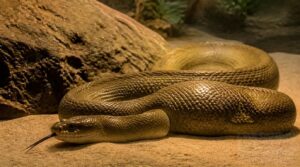
Your snake won’t tell you it’s digesting, but its body will. Watching for a few clear physical and behavioral cues takes the guesswork out of the waiting period. Here’s what to look for once feeding time is over.
Visible Meal Bulge
That rounded lump behind your snake’s ribs? It’s the clearest window you have into digestion.
- Appears within hours, most visible in the first 24 to 48 hours
- Bigger meals create longer, more pronounced bulges
- Ball pythons hold theirs longer than corn snakes
- Shifts subtly with movement, but stays consistent in mass
- Softens gradually as digestion progresses
Skip handling until it visibly shrinks.
Hiding After Eating
A snake that vanishes into its hide isn’t being shy, it’s working. This retreat is your snake’s way of managing the digestion process without added stress.
Stress-induced hiding increases with handling or noise, while temperature effects on hiding and prey type, whole rat versus cut pieces, shape how long it lasts. Younger snakes usually re-emerge sooner.
Reduced Activity
Stillness is the headline here. Your snake’s body shows only slow, limited movement while the head stays put, a clear sign of post-feeding stillness. This rest period conserves energy for the digestion process, much like how you’d feel sluggish after a big meal.
Stillness after feeding isn’t laziness, it’s your snake conserving energy to power digestion
Movement restriction effects support steadier gut motility, so resist checking in too often.
Defensive Behavior
A hiss or a tightened coil after feeding isn’t aggression, it’s a stress response protecting digestion. You may see warning signals like a raised head or stiffened posture changes instead of the usual calm curl.
Give your snake space. Approaching too soon can trigger a threat display, since it still wants clear escape routes while its body works on that meal.
Unusual Body Posture
Beyond hissing, watch for posture shifts. A gentle neck tilt with head resting downward, an arched spine, or an S-shaped curve all signal calm digestion, not distress.
Some snakes settle into coiled rest or stretch out laterally along the substrate. Each pose aids gastric work quietly, much like how infant comfort measures help babies settle after feeding.
Avoid These Post-Feeding Activities

Once your snake starts digesting, your job shifts from feeding to protecting that process. A few common habits can undo all that hard work, causing stress or even regurgitation. Here’s what to steer clear of during this critical window.
Handling Your Snake
Resist picking up your snake right after a meal, even if it looks calm. Digestion demands energy and stillness, and handling now raises regurgitation risk.
- A full belly and a squeeze don’t mix
- Stress hormones spike, slowing digestion
- Comfort matters as much as safety
Wait the full 48 hours before any contact.
Moving The Enclosure
Handling isn’t the only thing to skip, rearranging the tank counts too. Wait until digestion finishes before any relocation.
| Move Element | Safe Practice |
|---|---|
| Timing | After full digestion |
| Lifting | Slow, calm technique |
| Transport | Breathable carrier |
| Temperature | Stable during move |
| Humidity | Monitor after |
A rushed move stresses your snake right when it needs calm the most.
Bathing or Soaking
A warm soak sounds relaxing, but skip it after mealtime. Wait until digestion finishes before offering water at 85 to 90°F.
Soaking during digestion adds stress and risks regurgitation. Once your snake’s bulge is gone, a 15-20 minute soak helps with hydration and shedding safely, without disrupting the digestive work already underway.
Deep Enclosure Cleaning
Scrubbing the enclosure while your snake digests stirs up unnecessary stress. Save deep cleaning for non-digestion days.
Choose non-abrasive tools, control moisture, and boost ventilation to protect air quality. Once digestion finishes, do a thorough post-cleaning inspection—checking seals, gaskets, and vents—then let your snake settle into its regular space again.
Offering More Food
A hungry-looking snake still needs a break before its next meal. Watch for digestion readiness signs instead: no bulge, calm posture, normal basking.
- Skip feeding if a bulge remains
- Wait full 48–72 hours based on meal size
- Check enclosure temperature helps digestion
- Offer smaller meals to juveniles sooner
Rushing risks regurgitation, undoing all that digestive comfort you worked to protect.
Resume Handling Safely

Once your snake has had enough time to digest, you can start handling again with confidence. Getting back to it safely just means checking a few simple signs first. Here’s what to look for before you pick your snake up.
If you’re unsure whether your snake’s symptoms have fully cleared, our guide to handling a snake with a respiratory infection walks through the warning signs to watch for.
A relaxed body, steady breathing, and curiosity toward you rather than hiding are all good signs, and this guide on whether it’s safe to pick up a garter snake covers the details.
Confirm The Bulge Disappeared
That midsection curve is your best clue digestion has finished. Check at 24, 48, and 72 hours, using consistent lighting for a clear view.
| Method | What to Check | Confirms Resolution |
|---|---|---|
| Visual inspection | Bulge shape | Flat midsection |
| Palpation | Soft vs. firm | Firm, flattened area |
| Photos | Side-by-side comparison | Three consecutive clear images |
Check Calm Body Language
A calm snake tells you with its whole body. Look for a relaxed tail, hanging loose or swaying slowly, never coiled tight. Breathing should stay steady, no rapid gasping. Eyes stay soft, blinking occasionally rather than fixed wide. Tongue flicks should be slow and occasional, not frantic. A loose, tension-free body confirms your snake feels settled enough for handling.
Begin With Short Sessions
Think of that first pickup as a test drive, not the real trip. Keep it to 5 to 13 minutes, with a simple cue signaling start and one goal: just calm contact.
- Choose a consistent start cue
- Set one simple goal
- Check in briefly at the end
- Increase gradually, few minutes at a time
- Aim toward 20 minutes daily by three months old
Consistency is key here, not speed.
Support The Entire Body
A snake’s whole body needs a job to do. Use proper hand placement, one palm under the midsection, the other supporting near the tail, for even weight distribution.
Cup the head gently for neck position support. A flat tray works as a stable platform during transfers. This full-body approach keeps your snake secure and reduces defensive squirming.
Stop When Stress Appears
Even with good support, watch your snake’s body language during the whole session. Recognize stress signs early: tight coiling, hissing, or breathing above 4 breaths per minute.
- Body stiffens for 10+ seconds
- Dull, unfocused eyes
- Rapid tongue-flicking
- Neck raised 2-3 cm
If any appear, stop immediately and return your snake to its enclosure.
Respond Properly to Regurgitation

Regurgitation can happen even when you do everything right, and it’s not a reason to panic. Your response in the hours right after matters just as much as your feeding schedule did before. Here’s exactly what to check and do next.
Check Temperature and Humidity
After regurgitation, check your enclosure setup before anything else. Confirm the ideal temperature range—warm side around 28-32°C, cool side near 25°C—and verify humidity sits between 40-60% RH.
Use a sensor placement guide: middle of the enclosure, away from heat sources. Calibrate monthly, and keep data logging practices consistent so you catch drift before it affects digestion and safety again.
Delay The Next Meal
Once temperature and humidity check out, give your snake’s gut a longer break before offering food again. Push the next meal back by a full week, since Ideal Feeding Intervals after regurgitation run longer than routine schedules. This protects digestive comfort and lowers reflux prevention risks tied to Meal Size Impact and Species-Specific Schedules.
- Skip the standard 48-hour rule this time
- Watch for normal basking behavior first
- Confirm no bulge remains before feeding
- Offer a smaller meal than usual
- Preventing Feeding Errors matters more than speed
Reduce Handling Stress
After a regurgitation, keep handling to a minimum. Skip picking your snake up unless truly necessary, and when you do, support the entire body with both hands.
Speak in a calm, low voice—loud sounds add stress. Limit sessions to under five minutes.
A quiet enclosure, dim lighting, and no sudden movement help your snake settle.
Watch for Illness
How do you know one regurgitation isn’t the start of something bigger? Watch closely over the next week.
Track lethargy, appetite, and shedding. Refusal to eat past 5 days, abnormal shedding, or steady weight loss all signal trouble.
Note unusual postures, too—head held up or unusual coiling can mean reflux or discomfort, not just an empty stomach settling.
Contact a Reptile Veterinarian
Once regurgitation happens, don’t wait it out. Contact a reptile veterinarian within 24 hours, and sooner if you notice rapid breathing or lethargy.
Document the time, amount, and prey type regurgitated. Fast your snake 12 to 24 hours before the visit, and prep the enclosure at proper temperature 24 hours out. A second episode within a week means an urgent call, not a wait-and-see approach.
Frequently Asked Questions (FAQs)
How long should you wait to lay a baby down after feeding?
Aim for a 15 to 30-minute wait after feeding, once baby’s burped and upright. Watch hunger cues fade and eyes grow heavy, then settle them into safe back-sleeping for a consistent routine.
Can I lay down 4 hours after eating?
Four hours works for most snakes, mirroring the human GERD guideline of waiting before lying flat. Confirm the bulge is gone, keep the enclosure warm, and skip handling until digestion truly finishes—patience protects your snake’s gut.
Can I walk my dog an hour after eating?
Yes, a light walk after an hour is fine for most dogs. Skip vigorous play for two hours, though, since digestion and meal size both affect how much stomach pressure your dog can safely handle.
Is it good to wait 30 minutes after eating?
For humans, waiting 30 minutes after eating aids digestion, steadies blood sugar, and eases heartburn. For babies, the same logic applies: wait 20 to 30 minutes, keep them upright, and burp them before laying them down.
Can I feed my snake twice in one day?
Twice-daily meals push a snake’s system like sprinting right after a marathon. It’s not recommended for healthy adults. Stick to one feeding, then wait 48–72 hours, since repeated rapid feedings strain digestion and raise stress.
What time of day is best for feeding?
Morning feeding works best, mimicking natural post-cool-down activity.
Afternoon suits busy schedules if temperatures stay stable.
Evening fits nocturnal species.
Whatever you choose, keep it consistent so digestion stays predictable and your snake settles into a reliable rhythm.
Should I remove uneaten prey after feeding?
Think of leftover prey as a ticking clock. Remove it within 24 hours to prevent mold, odor, and bacteria buildup, especially in warm, humid enclosures where decay speeds up fast.
Can snakes eat right after shedding skin?
No. Snakes need a shedding recovery period first, so watch for appetite return indicators like curling and alertness. Keep hydration up, stabilize enclosure conditions, then offer food once feeding readiness signs appear.
Is it normal for snakes to refuse food?
Yes, completely normal. Seasonal appetite changes, shedding cycles, pregnancy, or simple stress from handling can all cause temporary refusal. Adults often fast one to three months safely—appetite usually rebounds once conditions stabilize, so don’t panic over a few skipped meals.
Conclusion
That shrinking belly bulge is more than a full stomach; it’s a quiet clock ticking toward trust. Respect it, and your snake learns your hands mean safety, not stress.
Knowing how long to wait after feeding isn’t about rigid rules. It’s about reading your snake’s own signals: temperature, size, posture, calm. Wait for the bulge to fade, watch for steady breathing, then reach in gently.
Patience now builds a bond that lasts, one calm session at a time.