This site is supported by our readers. We may earn a commission, at no cost to you, if you purchase through links.

Pick up a ball python and it won’t strike, it’ll curl into a tight ball and wait you out. That single habit explains why this species tops nearly every beginner’s list, and why breeders can barely keep up with demand for new morphs.
Snakes get a bad reputation they don’t deserve. Most popular pet species are calmer than a startled house cat, need feeding once a week, and live decades if you get the setup right.
A solid popular snake species list saves you from costly guesswork, matching your space, schedule, and nerve level to a species built for it.
Table Of Contents
- Key Takeaways
- Most Popular Pet Snakes for Beginners
- More Popular Pet Snake Species
- Popular Snake Sizes and Lifespans
- Care Requirements by Snake Species
- Choosing The Right Pet Snake
- Frequently Asked Questions (FAQs)
- How do snakes reproduce and breed?
- What are the most dangerous snake species?
- Can snakes be trained or recognize owners?
- How do snakes hunt and capture prey?
- What are signs of illness in snakes?
- Are venomous snakes ever kept as pets?
- How can you tell venomous snakes from harmless ones?
- What snake species are most dangerous to humans?
- Do pet snakes help control rodents at home?
- Are snake populations declining in the wild today?
- Conclusion
Key Takeaways
- Ball pythons, corn snakes, California kingsnakes, milk snakes, and rosy boas top the beginner list because they’re forgiving of rookie mistakes and stay calm with regular handling.
- Picking the right snake means matching size, temperament, and space to your actual lifestyle—a rosy boa fits a studio apartment, but a red-tailed boa needs serious room and experience.
- Most popular pet snakes live 15-25 years, so owning one is a long-term commitment closer to raising a kid than keeping a goldfish.
- Getting the basics right—proper enclosure size, a secure lid, a real temperature gradient, and appropriately sized prey—prevents most health problems before they ever start.
Most Popular Pet Snakes for Beginners
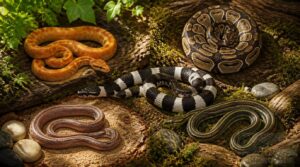
Not every snake makes a good first pet, and that’s okay—some just handle beginner mistakes better than others. The five below have earned their reputation through decades of forgiving temperaments and manageable care. Here’s what makes each one a smart place to start.
If your family’s picturing a slithery escape artist, these easygoing breeds are exactly the evidence you need when making the case to skeptical parents.
If you’re drawn to something a bit heftier, this guide to choosing the right boa for beginners breaks down which boa species stay calm and manageable even for first-time owners.
Ball Python: Calm and Docile
Ask any snake keeper why they started with a ball python, and you’ll hear the same answer: temperament. These snakes stay calm at 75-82°F, curl into a tight ball when startled instead of striking, and settle into handling routines fast. In fact, ball pythons are widely considered among the least likely snakes to bite, preferring to hide rather than defend themselves aggressively.
Feed pre-killed prey every 1-2 weeks, keep a 20-gallon enclosure for juveniles, and you’ve got beginner friendliness at its finest.
Corn Snake: Colorful and Adaptable
Where ball pythons win on temperament, corn snakes (Pantherophis guttatus) win on looks. Wild types show red blotches on tan-orange, but selective breeding produces striped and banded morphs like zebra and anerythristic variants, with high-contrast outlines.
They’re tolerant feeders too. Frozen rodents every 5-7 days, flexible temperatures, and a simple habitat setup make them forgiving for beginners still learning the ropes.
California Kingsnake: Hardy and Active
Corn snakes charm you with color, but California kingsnakes (Lampropeltis californiae) earn their keep through sheer toughness. These snakes shrug off temperature swings and handling mistakes, thriving from desert scrub to woodland.
Expect active behavior, they’ll patrol enclosures constantly. Feed appropriately-sized rodents weekly, and you’ve got a hearty eater that adapts fast. Solid temperament, minimal fuss.
Milk Snake: Shy and Striking
Where kingsnakes patrol boldly, milk snakes (Lampropeltis triangulum) prefer to vanish. Startle one and it retreats into hiding rather than confronting you, striking only when truly cornered, and even then it’s a quick warning lunge, not real aggression.
Their banded red, black, and yellow patterns mimic coral snakes, though they’re completely harmless. Keep enclosures secure, handle gently, and they’ll settle into calm, predictable temperaments.
Rosy Boa: Small and Gentle
Pocket-sized and unbothered, the Rosy Boa (Lichanura trivirgata) tops beginner lists for good reason. Rosy Boa Temperament stays mild, Rosy Boa Handling feels easy, and a 20-gallon enclosure size suits them for life.
- Grows just 2-3 feet
- Feeds every 7-14 days
- Lives 18-22 years
Rosy Boa Feeding and Rosy Boa Habitat needs stay simple, making overall Rosy Boa Care refreshingly low-stress.
More Popular Pet Snake Species
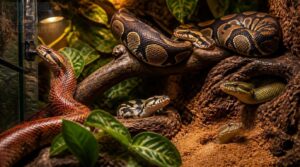
Where the last group plays it safe, this next batch brings a little more personality to the table. You’ve got burrowers, escape artists, and one gentle giant, each with its own quirks worth knowing. Here’s a closer look at five more snakes that might just earn a spot in your home.
Since these five range from compact burrowers to hefty giants, it’s worth checking this guide to sizing your snake’s enclosure by species before bringing one home.
Western Hognose: Compact and Curious
That upturned snout isn’t just cute, it’s a digging tool. Western hognose snakes stay small (12-24 inches), making them great beginner snake species.
They’re famous for dramatic defensive play dead bluffs and hissing, though most calm down with handling. Give them burrowing substrate and a snug enclosure, feed toad-scented prey or mice every 7-14 days, and you’ve got a low-drama, endlessly curious companion.
Kenyan Sand Boa: Easygoing Burrower
Sand tells this snake’s story, literally. Kenyan sand boas spend most of their life underground, using a wedge-shaped body to burrow and only their eyes poking up.
- 12-24 inches long, calm temperament
- 20-30 gallon enclosure with loose substrate
- Mice every 7-14 days
- 15-20 year lifespan
They’re low-key, low-maintenance, and genuinely easy to love.
Garter Snake: Social and Energetic
Ever wonder why some snakes seem to actually like company? Garter snakes (Thamnophis spp) form loose social networks, with females growing more social as they age.
| Trait | Detail |
|---|---|
| Diet | Amphibians, fish |
| Activity | Dawn/dusk bursts |
| Signals | Tongue flicks, musk |
| Temp range | 15-30°C |
| Behavior | Highly social |
Children’s Python: Manageable and Hardy
Native to northern Australia, Children’s Pythons stay small (3-4 feet) and manageable and hardy, hunting rodents at night. Beginner suitability is high thanks to calm snake temperament.
- Enclosure needs: vertical setup, 88-92°F warm side
- Feed pinkies every 5-7 days (juveniles)
- Watch shedding and appetite for health monitoring
Red-Tailed Boa: Large and Impressive
Where Children’s Pythons stay pocket-sized, the red-tailed boa goes big, six to ten feet, sometimes better. This boa constrictor needs a roomy, secure enclosure size, temps in the mid 70s to mid 80s. Feeding schedule: rats every 10-14 days. Temperament stays calm with full-body handling support, though these heavyweights (15-40 lbs) demand experienced hands, not beginner ones.
Popular Snake Sizes and Lifespans
Size and lifespan aren’t just fun facts—they shape everything about owning a snake, from the tank you buy to the years you’ll spend caring for it. A rosy boa and a red-tailed boa might both start out as cute hatchlings, but they age into wildly different commitments. Here’s what to expect as each species grows up.
Adult Length by Species

Ten species, ten different size stories. Ball Pythons stay compact at 3-5 feet, while Corn Snakes stretch 4-6 feet. A Boa constrictor like the Red-Tailed Boa dwarfs them both, hitting 8+ feet. Rosy Boas and Kenyan Sand Boas barely crack 2 feet. Kingsnakes split the difference at 3-6 feet, proving size range details vary wildly by lineage and species.
Typical Captive Lifespans
Size tells half the story, lifespan tells the rest. Most snakes hit 15 to 25 years in captivity:
- Ball pythons: 20-30 years
- Corn snakes: 15-20 years
- Kingsnakes: 20-25 years
- Rosy boas: 15-20 years
- Red-tailed boas: 20-30 years
That’s a real commitment, closer to raising a kid than owning a goldfish.
Owning a snake for 15 to 25 years is less like a pet and more like raising a kid
Growth Rates and Mature Size
Knowing how long a snake lives is one thing, but watching it get there’s another. Growth isn’t instant. Ball pythons take 1.5 to 3 years to reach 3-4 feet. Corn snakes and kingsnakes stretch to 4-6 feet over 2-4 years. Milk snakes settle at 3-4 feet, while rosy boas stay compact, maxing out around 2-3 feet.
Space Needs Over Time

That growth means enclosure upgrades, not just bigger appetites. Hatchlings do fine in small tubs with low ceilings, they feel safer that way.
As snakes hit growth milestones, floor space matters more than height. Adults need room for hides, a real temperature gradient, and seasonal shifts. Skimping here stresses them out fast.
Long-Term Ownership Commitment

Before buying, ask yourself: can you commit to two decades of care? Ball Pythons and Boa Constrictors often outlive college years, even marriages.
- Lifespan planning: match species to your life stage
- Financial responsibility: vet visits, enclosure upgrades, feeding logistics add up
- Consistency matters: Corn Snakes, Kingsnakes, and Rosy Boas still need steady care, not just easier care
Care Requirements by Snake Species

Picking a species is only half the job—keeping it alive and thriving is the real work. Every snake on this list comes with its own rulebook, from tank size to dinner schedule. Here’s what each one actually needs to stay healthy in your care.
Enclosure Size and Security
Bigger isn’t always safer, secure is. Your snake enclosure size should give at least 1.5 times body length in floor space, plus room to stretch diagonally. Juveniles do fine in 20-gallon tanks; adults often need 40-75 gallons depending on species.
Latching lids matter more than square footage. Locking doors, gasket seals, and screen tops stop escape attempts before they start.
Temperature and Humidity Needs
Under a heat lamp is where most beginners get tripped up. Every species needs a proper thermal gradient, warm and cool zones, dialed in with thermostats and monitored daily.
- Ball pythons: 88-92°F warm side
- Corn snakes: 82-85°F gradient
- Kingsnakes: 80-85°F, cooler nights
- Milk snakes: 85-90°F warm zone
- Rosy boas: 75-85°F overall
Humidity control varies by species too, so check gauges regularly.
Feeding Schedules and Prey Size
How often should you feed your snake? Depends on age and species. Juveniles eat every 5-10 days, adults every 7-14, following growth spurts with smaller, frequent meals.
Prey size matters more than schedule: match the snake’s widest point, never exceed it. Frozen-thawed rodents beat live prey for safety. Watch for regurgitation or refusals, both signal trouble.
Temperament and Handling Differences
Personality varies as much as color pattern here.
Ball pythons rarely bite once handling starts young, while corn snakes relax fast after brief acclimation. California kingsnakes stay alert but tolerate gentle handling, milk snakes need consistent daily contact to build trust, and rosy boas simply prefer slow, calm movements over frequent interaction.
Common Species-Specific Health Concerns
Most snake health issues trace back to husbandry, not bad luck.
Ball pythons and corn snakes are prone to respiratory infections when temps dip too low. Damp substrate invites scale rot in ball pythons, while mite infestations and retained eye caps hit any species when humidity’s off.
Good enclosure cleaning and temperature control prevent most of it before it starts.
Choosing The Right Pet Snake

So you’ve met the species, learned their sizes, and figured out what feeding day actually looks like—now comes the fun part. Picking the right snake isn’t just about looks; it’s about matching one to your space, your schedule, and how much handling you actually want to do. Here’s how to narrow it down.
Best Snakes for Small Spaces
Living in an apartment doesn’t rule out snake ownership. Rosy Boas and Kenyan Sand Boas stay under 3 feet, thriving in 20-gallon (or smaller) setups. Compact Enclosure Setup works great for these low-maintenance species, plus Western Hognose snakes.
Ball Pythons and Corn Snakes need slightly more room but still fit small spaces with secure, escape-proof housing.
Best Species for Handling
Small space sorted, so who actually likes being held? Ball Pythons top the list, tolerating daily handling without fuss. Corn Snakes and California Kingsnakes follow close behind, staying calm and cooperative with routine sessions.
Keep it short, 5 to 10 minutes, gentle grip under the midsection. Skip handling after meals. Rest days build trust without stress buildup.
Activity Levels and Behavior
Handling comfort is one thing, but daily rhythm tells you more. Ball pythons stay low-key, moving mostly morning and evening. Corn snakes and kingsnakes are crepuscular, active at dawn and dusk. Garter snakes patrol constantly and bask often. Rosy boas move in short bursts, especially after feeding, when digestion calls for stillness, not exploration.
Popular Colors and Morphs
Behavior’s only half the fun, color’s the other. Ball pythons lead in morph variety, think Pastel or Mojave. Corn snakes bring Fire and Snow patterns, high contrast reds and whites. Kingsnakes show Desert phase banding, milk snakes go Anerythristic for cool grays. Even boa constrictors get in on selective breeding trends, proving genetics never gets boring.
Species Beginners Should Avoid
Before you fall for that gorgeous morph online, know what you’re getting into. Skip venomous species (copperheads alone cause nearly 3,000 bites yearly) and anything with aggressive behavior risks or complex housing needs.
Large constrictors, live prey dangers, and high maintenance care overwhelm beginners fast. Learn nonvenomous snakes’ traits first, and support reptile conservation by choosing captive-bred.
Frequently Asked Questions (FAQs)
How do snakes reproduce and breed?
Most snakes lay eggs, though boas and some vipers give live birth. Breeding seasons shift with climate. Successful egg incubation needs steady warmth and humidity, while genetic inheritance shapes those eye-catching morphs breeders chase in captive programs.
What are the most dangerous snake species?
Toxic titans like the inland taipan, black mamba, and king cobra rank deadliest, thanks to potent neurotoxic venom and rapid onset.
Add saw-scaled vipers’ aggression and high bite statistics, and you’ve got a genuinely dangerous lineup worth respecting.
Can snakes be trained or recognize owners?
Forget tricks, but scent recognition is real. Your snake learns your smell and handling rhythm through repeated, gentle contact, favoring calm predictability over food rewards, which is genuine owner recognition built from routine, not performance.
How do snakes hunt and capture prey?
Most rely on ambush strike techniques, staying dead still until prey wanders close, then striking in under 2 seconds. Vipers use heat pits for prey detection, injecting venom fast, while boas favor constriction mechanics, coiling tight before swallowing prey whole.
What are signs of illness in snakes?
Watch for lethargy, appetite loss, wheezing or bubbly breathing, mouth discharge, retained shed, or stargazing postures. These snake stress signs point to respiratory, oral, skin, or neurological trouble, so schedule veterinary care the moment behavior shifts from normal.
Are venomous snakes ever kept as pets?
Yes, but it’s not casual. Venomous snake ownership demands strict legal permits, escape-proof enclosures, and expert husbandry. Handling requires protective tools and experienced supervision, so it’s really only suited for seasoned keepers, not beginners exploring pet snake ownership.
How can you tell venomous snakes from harmless ones?
Look at head shape, pupil type, and behavior. Venomous species often show a triangular head, vertical pupils, heat pits, and a defensive coil, sometimes with tail rattle. Non-venomous snakes usually flee rather than posture.
Copperheads add another layer to this, since young ones display the same markings but with a bright sulfur-yellow tail tip, a detail worth knowing when you’re learning how to identify a baby copperhead snake.
What snake species are most dangerous to humans?
Deadliest snake species worldwide include cobras, kraits, and vipers, but in the US, rattlesnakes cause the most fatal bites while copperheads bite most often. Antivenom availability and quick treatment matter more than venom potency alone.
Do pet snakes help control rodents at home?
A little, but don’t expect miracles. Indoor hunting is limited by clutter and space, so a snake might catch a mouse or two, but real infestations need actual pest control, not just a hungry roommate with scales.
Are snake populations declining in the wild today?
In many regions, wild snake populations are sliding, with eleven of seventeen studied groups across Europe, Africa, and Australia in sharp decline from habitat loss, prey scarcity, and climate pressures, making reptile conservation and long-term monitoring genuinely urgent.
Conclusion
You might think one snake fits every single home, but that’s not true, and that’s exactly why this popular snake species list matters. A rosy boa suits a studio apartment. A red-tailed boa doesn’t.
Match temperament, size, and your actual schedule to the animal, not the other way around. Do that, and you’ll get a calm, healthy pet for twenty years or more. Skip it, and you’ll get a project you didn’t sign up for.