This site is supported by our readers. We may earn a commission, at no cost to you, if you purchase through links.

A ball python that skips six meals in a row isn’t sick, it’s likely just following its own internal clock. New reptile owners panic over this constantly, when the real problem is usually a feeding schedule built on guesswork instead of biology.
Your bearded dragon’s metabolism, your leopard gecko’s hunting instincts, your corn snake’s seasonal appetite shifts: each species runs on its own rulebook, and copying a generic care sheet often does more harm than good. Solid reptile care feeding schedules account for age, temperature, UVB exposure, and the natural rhythms your pet evolved to follow.
Get the timing and portions right, and you’ll spot problems before they start.
Table Of Contents
- Key Takeaways
- How to Build a Reptile Feeding Schedule
- Species-Specific Feeding Schedules by Life Stage
- Choose Safe Portions and Balanced Nutrition
- Prepare and Serve Reptile Food Safely
- Monitor and Adjust The Feeding Schedule
- Frequently Asked Questions (FAQs)
- Do you need a reptile vet?
- Why should you choose a reptile clinic?
- Do small animal vets treat reptiles?
- Are there any good reptile vets?
- What temperatures are best for reptile digestion?
- How do I transition between different feeder types?
- Can reptiles eat wild-caught insects safely?
- What lighting affects reptile appetite and feeding?
- How do I handle a reptile refusing food?
- Why did my reptile suddenly stop eating?
- Conclusion
Key Takeaways
- Your reptile’s feeding schedule needs to match its species, age, and size instead of following a generic care sheet, since a snake, a bearded dragon, and a gecko all run on completely different internal clocks.
- Temperature and UVB exposure directly control your reptile’s metabolism, so getting basking spots, cool zones, and light distance right is what makes any feeding schedule actually work.
- Weekly weigh-ins and body condition checks let you catch overfeeding or underfeeding early, giving you real evidence instead of guesswork to guide portion changes.
- Skipped meals during brumation or seasonal shifts are usually normal, but if an adult refuses food for more than 2-3 weeks, it’s time to get a reptile vet involved.
How to Build a Reptile Feeding Schedule
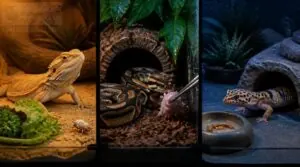
No two reptiles eat on the same clock, and treating a bearded dragon like a ball python is a recipe for a sick pet.
Before switching up your bearded dragon’s diet, check this breakdown of why snake food doesn’t work for bearded dragons to avoid nutritional gaps that cause real harm.
A solid feeding schedule isn’t guesswork—it’s built from five factors working together, from species biology down to the time of day you serve dinner.
Here’s what to check before you set your reptile’s routine in stone.
Identify Species-Specific Needs
No two reptiles eat alike, and that’s the first thing to accept. A snake’s ambush biology demands whole prey; a bearded dragon’s omnivorous gut wants insects and greens. Species-specific diet ties directly to habitat humidity, UVB exposure, and natural activity patterns, while hiding spots ease feeding stress. Skip this step, and even perfect portions won’t matter.
Much like researchers who must write with a clear central contribution in mind, reptile keepers benefit from focusing each feeding plan around the single most important factor for that species.
Factor in Age and Size
Age drives everything. Hatchlings run hot metabolisms and need daily meals with size-appropriate prey; adults slow down, eating every few days to weeks. A juvenile bearded dragon eats insects three times daily, while adults manage on three to four weekly feedings.
Feeding schedules work best alongside steady habitat care, so a reptile habitat maintenance guide can help you keep temperature, humidity, and UVB lighting on track.
Match portions to head width, then confirm growth with weekly weight tracking rather than guesswork.
Check Temperature and UVB
Metabolism runs on heat. Verify basking temperatures (88–110°F by species) and cool-end ranges (75–85°F) with a calibrated, dual-probe thermometer before adjusting any schedule.
Position UVB 6–12 inches above basking spots; vitamin D3 synthesis depends on it.
- Calibrate thermometers regularly
- Log daily readings
- Check basking gradient
- Verify UVB distance
- Watch for seasonal drift
Skipping this step means guessing at temperature-dependent metabolism.
Consider Activity and Season
Once temperatures check out, look at the calendar. Warmer months raise metabolic rate and appetite; cooler ones trigger shorter feeding windows or fasting. Longer days signal readiness to feed aggressively, while shrinking daylight shifts reptiles toward leaner meals. Watch for brumation cues, gradual temperature drops paired with sluggish behavior, and reduce portions accordingly before resuming feeding schedules.
Set Consistent Feeding Times
Rarely does a reptile thrive on chaos. A predictable feeding schedule builds trust and steadier appetite, so pick set clock times tied to your lighting cycle.
For adult snakes, transitioning to weekly meals of one or two appropriately sized prey items works best, and this bull snake feeding schedule guide breaks down portion sizes by age and weight.
This feeding time routine keeps meal window consistency intact; if a feeding’s missed, wait for the next slot rather than doubling up. Feeding log tracking reveals patterns worth adjusting.
Species-Specific Feeding Schedules by Life Stage
No two reptiles eat on the same clock, and treating a corn snake like a bearded dragon is a fast track to a sick pet. Life stage matters just as much as species, since a hatchling’s metabolism runs nothing like an adult’s.
Here’s how five common species break down, from first meal to full-grown feeding routine.
Ball Python Feeding Schedule
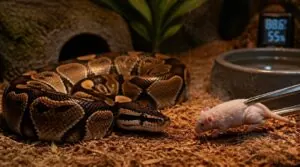
Ball pythons are the poster child for "less is more." Hatchlings eat every 5-7 days on frozen-thawed prey sized to body width, tapering to every 7-14 days as juveniles. Adult ball pythons settle into a 14-21 day rhythm, sometimes stretching to 3-4 weeks. Watch for refusals during brumation and track weight rather than panicking.
Corn Snake Feeding Schedule
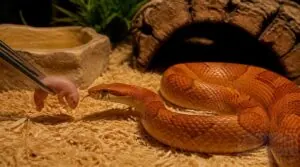
Corn snakes reward consistency. Hatchlings take pinkies every 5-7 days, progressing to fuzzies as juveniles feed every 7-10 days. Adults settle into 10-14 day meals sized to mid-body diameter.
During brumation, expect weeks-long fasts; resume gradually afterward. Weigh monthly, watch for a sunken abdomen (underfed) or tail-base fat (overfed), and adjust portions accordingly.
Boa Constrictor Feeding Schedule

Boas grow fast, and their appetite scales right along with it. Juveniles eat every 7 to 14 days; adults stretch to 2 to 4 weeks. Prey width should match the snake’s thickest point, weighing 5-12% of body weight.
If you’re curious how feeding fits into breeding plans, this guide to axanthic ball python morphs and their genetics explains why carrier pairings and solid pedigree records matter.
Smaller species like those highlighted in this guide to the best beginner-friendly snake breeds have lighter appetites, making feeding schedules even easier to manage.
- Track feeding response and digestion time
- Log prey weight monthly
- Watch for waist definition loss
- Adjust portions seasonally
Bearded Dragon Feeding Schedule
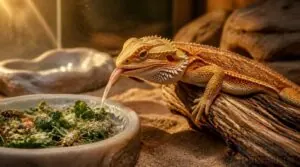
Bearded dragons run hot metabolically, so youth demands frequency. Hatchlings eat 2-3 daily meals; juveniles need 3-5 insect feedings daily with greens offered alongside.
Adults shift dramatically, eating every 1-2 days as protein needs drop and greens dominate. Keep insects no larger than the space between the eyes, dust calcium most days, and track weight weekly to catch drift before it becomes a problem.
Leopard Gecko Feeding Schedule
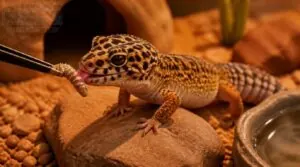
Small lizard, big appetite: a juvenile leopard gecko eats daily, taking 2-3 insects per inch of body length, dusted with calcium every meal.
Sub-adults ease to every other day; adults settle at every 3-5 days, 5-8 insects each sitting. Keep prey under eye-width, cut calcium to weekly, and weigh biweekly, watching tail thickness for early signs of over- or underfeeding.
Choose Safe Portions and Balanced Nutrition
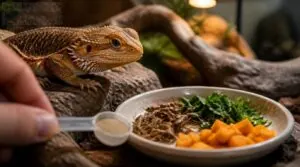
Knowing when to feed your reptile is only half the equation—what and how much matters just as much. Get the portion or nutrient balance wrong, and you’re looking at anything from a choking hazard to a slow-building deficiency. Here’s what to check before every meal hits the enclosure.
Measure Prey and Insect Size
A caliper and a steady hand beat guesswork every time. Measure prey head-to-abdomen, log the millimeters, and compare against jaw width, aiming for 1 to 1.5 times that gap.
Gut-loaded feeder insects should run 60 to 80% of target prey size. Snap a quick photo beside a ruler; that visual check catches mismatches before they cause impaction or refusal.
Balance Protein, Fats, Carbohydrates
Getting size right solves choking risk, but ratios solve long-term health. Carnivorous species need 30-50% crude protein; herbivores thrive on just 18-22%, leaning on fiber-driven carbs instead.
Fat limits matter too: cap it under 10% for tortoises, or fatty liver disease follows. Juveniles tolerate richer, protein-rich meals for growth; adults need portion control to avoid nutritional deficiencies and preserve body condition.
Offer Appropriate Greens and Fruits
Once ratios are set, greens fill in the gaps. Rotate collard, turnip, and mustard greens daily; they’re low-oxalate and calcium-rich. Limit spinach and kale to occasional servings, since oxalates and goitrogens interfere with absorption.
Chop everything bite-sized, mix 75% greens to 25% veggies, cap fruit at 5% of total diet, and remove leftovers within 24 hours.
Gut-Load Feeder Insects
Greens feed your reptile directly, but gutloading feeds it indirectly, one insect at a time. Load crickets 24 hours and mealworms 48 with carrot tops for carotenoid enrichment. Track duration per lot; nutrient transfer efficiency drops after that window.
- Choose dubia roaches for variety
- Add hydrating gel water
- Rotate species weekly
- Skip citrus loads
- Log gut load dates
Plan Calcium and Vitamins
Most feeder insects are calcium-poor by nature, so calcium dusting every feeding for juveniles (2-3x weekly for adults) fills that gap. Pair plain calcium with occasional calcium-D3 based on your UVB setup.
Add multivitamins weekly for growing reptiles, biweekly for adults. Watch for deficiency signs: tremors, soft jaws, lethargy.
Inconsistent supplement timing is the fastest route to metabolic bone disease.
Prepare and Serve Reptile Food Safely
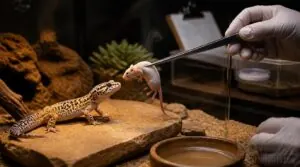
Knowing what to feed your reptile is only half the job; how you prepare and serve that meal matters just as much. A thawed rodent handled wrong or a live cricket left unsupervised can turn dinner into a trip to the vet. Here’s what safe, low-stress feeding actually looks like in practice.
Source Safe Feeder Foods
Quality in, quality out: your reptile’s health starts before the meal ever hits the enclosure.
- Buy from reputable suppliers with clean handling records
- Inspect prey for spoilage, parasites, or freezer burn
- Choose gutloaded feeder insects for better nutrition
- Rotate feeder variety, including BSF larvae
- Confirm prey size matches your reptile’s needs
Skip sketchy sources; contamination risks aren’t worth it.
Thaw Frozen Rodents Correctly
Since a frozen mouse can’t just go from freezer to feast, safe thawing techniques matter. Refrigerate overnight (about 4°C) in a sealed bag for hygiene, or use the warm water method, 40-42°C, for quicker prep.
Pat dry thoroughly (moisture removal matters) before serving at 100°F, matching prey size to your reptile’s feeding routine.
Supervise Live Prey Feedings
A mouse left unattended with a hungry snake isn’t a feeding, it’s a gamble.
Leaving a snake alone with live prey isn’t feeding, it’s gambling with your pet’s safety
Stay present the entire session: watch for prey stress signals, keep hands clear per handler safety practices, and pull uneaten prey fast.
Ethical prey sourcing means healthy, licensed stock.
Follow prey size guidelines, log the meal in your feeding journal, and never leave live prey unmonitored, even briefly.
Reduce Stress During Meals
Picture a scared prey animal in a brightly lit room full of tapping fingers, that’s what stress-feeding looks like to a reptile. Keep the environment quiet, lights low, and timing consistent.
Present food calmly, on tongs or in dishes, minimize handling, and try hide-and-seek feeding for enrichment. Log each session in your feeding journal, watch portion control, and let instinct, not chaos, guide the meal.
Remove Uneaten Food Promptly
Leftover crickets or half-eaten mice aren’t just messy, they’re a bacterial time bomb. Remove uneaten food within 30 minutes to protect enclosure cleanliness and prevent mold.
Discard prey in a sealed bin, sanitize the feeding area, and log removal time in your feeding journal. Never reuse leftovers; that’s how illness spreads through poor food safety hygiene.
Monitor and Adjust The Feeding Schedule

A feeding schedule isn’t a set-it-and-forget-it plan—your reptile’s body tells you when something’s off. Weight shifts, appetite changes, and body condition all offer clues worth reading closely. Here’s what to watch for and how to respond.
Track Meals and Weekly Weight
A feeding journal turns guesswork into data. Log daily meals, food source, and portions, then run weekly weigh-ins alongside it.
Add a quick satisfaction or emotion note for enrichment cues. Weekly weight tracking, done consistently rather than sporadically, catches subtle trends before they become real problems, giving you an early warning system your reptile can’t voice.
Assess Healthy Body Condition
Numbers alone don’t tell the whole story. Pair weight tracking with body condition scoring: view your reptile from above for a visible waist, then from the side for smooth muscle fill. Palpate the spine and tail base gently. Sharp bones mean underweight; flush contours signal ideal condition. Species-specific indicators matter too, so compare against reference photos for your exact species.
Spot Overfeeding and Underfeeding
Body condition scores tell you where things stand today; weight fluctuation analysis tells you where they’re heading.
Fat pads near the tail base or a waddling gait point to overfeeding, while visible ribs and sunken hips signal underfeeding. Watch prey size, waste output, and refusal behavior too.
Uneaten prey often means portions run large; consistent refusal, despite correct conditions, usually points elsewhere.
Adjust for Brumation and Fasting
That refusal pattern shifts entirely once cooler months hit. Brumation triggers temperature-dependent metabolism drops, and appetite vanishes naturally.
Weigh animals beforehand, cut feeding gradually, then stop entirely, offering only water. Track weight biweekly during dormancy; stable numbers mean normal fasting, not illness.
Post-brumation, reintroduce small meals over 1-2 weeks, watching body condition monitoring closely as appetite returns.
Troubleshoot Feeding Refusal
Sorting out a hunger strike starts with ruling out the usual suspects: environmental stressors, temperature dips, or preshed refusal from temperature-dependent metabolism shifts. Try prey type variation or appetite stimulation like hornworms first.
If appetite observation shows no interest past 2-3 weeks in adults, schedule a health assessment. Persistent feeding refusal signals illness more often than pickiness.
Frequently Asked Questions (FAQs)
Do you need a reptile vet?
A healthy dragon eats with gusto; a sick one goes quiet. That contrast is why you need a reptile veterinarian: schedule the first visit within 48 hours, bring a fecal sample for parasite testing, and watch appetite closely.
Why should you choose a reptile clinic?
A dedicated reptile veterinarian brings expert reptile diagnostics and specialized credentials to the table, building husbandry-based treatment plans around species-specific needs.
That focused, preventive reptile care approach catches problems early, something general clinics often miss.
Do small animal vets treat reptiles?
Jack of all trades, master of none: most small animal vets lack specialized reptile training. For wellness exams, growth tracking, or emergencies, find a credentialed reptile veterinarian through the Association of Reptile and Amphibian Veterinarians directory.
Are there any good reptile vets?
Plenty exist. Search ABVP-certified reptile specialists or ARAV’s "Find a Vet" tool, confirm clinic specialization, and prep appointment notes on diet and housing. Handling comfort during exams signals real experience worth the drive and cost.
What temperatures are best for reptile digestion?
Like Goldilocks hunting the right bowl of porridge, your reptile needs conditions that are just right. Most species digest best between 85–95°F, with basking spots near 95–105°F speeding gastric emptying and metabolism.
How do I transition between different feeder types?
Switch feeder types gradually over 7 to 14 days, mixing new items with familiar ones. Track prey acceptance, adjust size for growth stage, and document refusals; size-appropriate meals and consistent timing curb stress during changeover.
Can reptiles eat wild-caught insects safely?
Nature’s buffet looks tempting, but it’s a gamble: pesticide residue and parasite transmission lurk unseen. Toxic mimics fool even careful collectors. Stick with gut-loaded, commercially bred feeders for predictable nutrition and far fewer surprises.
What lighting affects reptile appetite and feeding?
UVB drives vitamin D3 synthesis and temperature-dependent metabolism, fueling appetite and digestion. Consistent light rhythms mimic natural cycles, while glare or erratic spectra trigger stress and blunt feeding frequency.
Stable environmental temperatures and proper lighting keep basking, hunting, and hunger cues on track.
How do I handle a reptile refusing food?
A python that swallows rats whole yet skips dinner? That’s refusal. Check temperature and lighting first, assess stress or routine changes, then monitor weight. Try scent or movement cues, and consult a vet if refusal persists.
Why did my reptile suddenly stop eating?
Sudden appetite loss usually traces back to temperature issues, parasite infection, or stress factors like handling. It can also signal shedding, brumation onset, digestive blockage, or seasonal feeding variation tied to environmental temperature drops.
Conclusion
A feeding log is your compass in unfamiliar terrain, quiet but reliable when instincts alone won’t cut it. Master reptile care feeding schedules, and you stop guessing and start reading your animal’s actual biology: appetite, temperature, shed cycles, all of it.
Skipped meals won’t rattle you. Sluggish digestion won’t either. You’ll adjust calmly, like a clinician reading vitals instead of a worried owner reacting to fear. That’s the real payoff: confidence built on evidence, not luck.