This site is supported by our readers. We may earn a commission, at no cost to you, if you purchase through links.
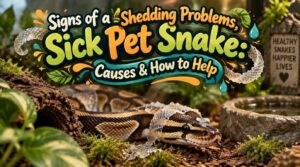
Your snake’s eyes just turned milky blue, and now it’s hiding in the corner of the tank. Don’t panic. That cloudy stare means a shed is coming.
Most snakes peel out of their old skin in one clean sock, usually within 7 to 14 days. But a patchy, flaky shed can hide bigger trouble. Stuck eye caps, a dried ring around the tail tip, or wheezing mid-shed are signs of a sick pet snake that can’t wait. Shedding problems often trace back to humidity, temperature, or diet.
Here’s how to tell a normal shed from a warning sign, and what to do about it.
Table Of Contents
- Key Takeaways
- What Normal Shedding Looks Like in a Pet Snake
- Signs of a Problem Shed: Stuck Skin, Eye Caps, and Tail Tips
- Other Signs of Illness During a Difficult Shed
- Why Pet Snakes Have Shedding Problems
- How to Help With Stuck Shed—and When to Call a Reptile Vet
- Frequently Asked Questions (FAQs)
- How to know if a snake needs help shedding?
- What are the signs of sepsis in snakes?
- Will a snakes respiratory infection go away on its own?
- Do snakes eventually stop shedding?
- Why is my snake having trouble shedding?
- How do snakes act when they are about to shed?
- What indicates that a snake is about to molt?
- How to tell if a snake has a respiratory infection?
- How long should a complete snake shed take?
- Can medications affect my snakes shedding cycle?
- Conclusion
Key Takeaways
- A healthy shed comes off in one piece within 7 to 14 days, so you should expect cloudy eyes, dull skin, hiding, and a dip in appetite beforehand.
- Stuck skin, retained eye caps, or a tight ring of old skin on the tail tip mean your snake needs help, and you shouldn’t wait for them to fix themselves.
- Low or unstable humidity is the most common cause of bad sheds, but a poor temperature gradient, underfeeding, mites, and infections can also play a part.
- You can try a humid hide and a short lukewarm soak at home, but wheezing, bubbles around the mouth, a swollen tail tip, or foul-smelling skin under the shed call for a reptile vet right away.
What Normal Shedding Looks Like in a Pet Snake
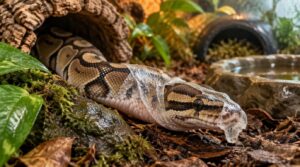
Snakes shed their skin as part of a natural skin renewal cycle, and you’ll see it happen again and again. Biologists call it ecdysis. Knowing the normal shedding process helps you spot trouble fast.
Healthy sheds usually come off in one piece, but dull eyes, dry patches, or stuck skin can signal problems, so this snake skin health guide is worth bookmarking.
Here’s what to expect. Your snake’s skin turns dull, and the eyes go cloudy and bluish. The belly may look pink. Appetite drops, and your snake hides more. Then the eyes clear, and the snake rubs its nose on rough surfaces to start the peel.
A healthy result is a complete onepiece shed, rolled off inside out like a sock. The whole thing takes 7 to 14 days. Shedding frequency depends on age. Young snakes shed every 4 to 6 weeks, while adults shed less often.
Incomplete shedding, known as dysecdysis, can leave behind patches of old skin when humidity is too low, when nutrition is poor, or when your snake has an existing health problem.
Signs of a Problem Shed: Stuck Skin, Eye Caps, and Tail Tips
Your snake’s shed doesn’t always go by the book. Spot the trouble early, and you can fix it before it snowballs.
A stuck shed looks like flaky patches or rings of dull, dry skin clinging after the main peel. Incomplete shedding is your first red flag.
If you spot leftover skin or cloudy eyes after a shed, this step-by-step guide to removing stuck shed from a snake shows safe ways to loosen it with humidity and a gentle soak.
Check these spots:
- Retained eye caps: cloudy, wrinkled discs that stay put after the rest of the skin comes off
- Tailtip constriction: a dried, tight sock of old skin around the end of the tail
- Patchy skin in shreds instead of one clean piece
- Dry, stiff flakes around the nose and jaw
- Red, scabby, or damp skin lesions under stubborn skin
Don’t wait and hope. If retained pieces tighten daily, your snake needs help.
Other Signs of Illness During a Difficult Shed

Stuck skin isn’t always the whole story. Sometimes the shed is just the first clue, and your snake’s body is waving a bigger flag.
If you’re still learning to read those signals, a few snake care books for first-time owners can help you tell normal shedding quirks from real health concerns.
Watch for lethargy that outlasts the shed. A snake that stays buried, limp, or slow to react is telling you something. Loss of appetite counts too. If your pet skips meals and doesn’t bounce back after the peel, take note.
Listen closely. Wheezing, clicking, or open-mouth gaping point to respiratory issues. Bubbles or mucus around the nose and mouth are a bad sign.
Look at the skin again. Dullness, uneven texture, or red skin lesions under old shed can mean infection or dehydration. Treat any of these as illness until a vet says otherwise. Don’t gamble.
Why Pet Snakes Have Shedding Problems
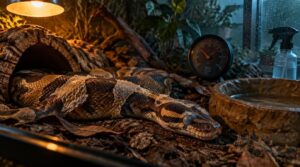
Those warning signs usually trace back to one place: home base. Your enclosure setup is the first suspect.
Inadequate humidity tops the list. Dry air glues old skin to new skin, and patches won’t budge. Low or unstable humidity does the same, even if the numbers look fine at noon and crash at night. Improper humidity swings can throw off shed timing.
Check your temperature gradient next. A snake that can’t warm up or cool down stresses out, eats less, and sheds poorly.
Diet matters too. Underfed or underweight snakes grow rough, weak skin. Weighing your snake weekly on a digital gram scale helps you catch weight loss early, before it shows up as a rough, stuck shed.
Don’t forget hidden trouble. Mites, skin infections, and respiratory illness all sabotage a clean peel. Think of shedding as a report card. Poor grades point somewhere.
Think of shedding as a report card: when a snake’s peel goes wrong, hidden mites, infections, or illness are often to blame
How to Help With Stuck Shed—and When to Call a Reptile Vet
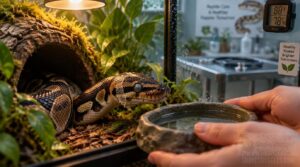
A stuck shed can feel scary, but you can handle most cases calmly and safely at home. Below, you’ll find two parts: safe at-home support to try first, and the urgent warning signs that mean your snake needs a reptile vet. Read both so you know exactly when to help and when to call.
Safe At-home Support
Your best tool is patience. Keep proper humidity steady and offer a humid hide, then let your snake work through the shed. Check the temperature gradient so it can warm up and moisten properly.
Still stuck? Try safe lukewarm soaking in shallow, dechlorinated water for a short spell. Skip hot water and soaps. Never pry at its eye caps, ever.
Urgent Veterinary Warning Signs
Beyond stubborn patches, some sheds demand a vet today. Call right away if you notice:
- Retained eye caps or cloudy, sunken eyes.
- A swollen, darkening tail tip.
- Wheezing, bubbling, or openmouth breathing.
- Redness, blisters, or a foul odor under shed.
Lethargy, loss of appetite, or respiratory issues alongside a bad shed make it worse. Don’t gamble; book an exam fast.
Frequently Asked Questions (FAQs)
How to know if a snake needs help shedding?
Is your snake’s shed going sideways? Watch for retained eye caps, incomplete shedding, and stuck shed at the tail tip.
Fix your humidity control first. If problems persist or skin tightens, book veterinary care fast.
What are the signs of sepsis in snakes?
Sepsis can move very fast. Your snake may show severe lethargy, loss of appetite, and respiratory issues like gasping. Look for skin lesions, redness, or foul odor, plus dehydration. Don’t wait. Call your vet now.
Will a snakes respiratory infection go away on its own?
A respiratory infection is a wildfire, not a passing cloud. Once wheezing or nasal discharge shows up, it won’t fade alone.
Your pet needs veterinary attention now, since untreated respiratory issues can turn fatal quickly.
Do snakes eventually stop shedding?
Will your pet ever quit? Never. Shedding Frequency by Species slows with age, but a sudden stop signals Persistent Shedding Problems.
Check Causes of Abnormal Shedding and Snake Shedding Problems Solved Causes and Treatment Options.
Why is my snake having trouble shedding?
Picture a ball python in a dry, drafty tank, eyes cloudy for days.
Inadequate humidity is usually the culprit. Low or unstable humidity causes incomplete shedding and retained eye caps, so keep moisture steady daily.
How do snakes act when they are about to shed?
Your snake will slow down and hide more, often staying put in its cool hide. Eyes turn bluish-white, skin looks dull, and appetite drops. Basking time and water soaking may rise, and your snake might act cranky.
What indicates that a snake is about to molt?
Healthy snakes shed every 4 to 8 weeks, so watch for dull skin and pink belly, cloudy blue eyes, matte patches, hiding, appetite changes, plus rubbing and soaking. You’ll spot them days before the shed.
How to tell if a snake has a respiratory infection?
Spot mucus buildup or bubbles around your snake’s nose and mouth. Wheezing, gurgling, or open-mouth breathing signals respiratory issues.
Add lethargy and a skipped meal, and respiratory infections become likely. Don’t wait. Seek veterinary attention.
How long should a complete snake shed take?
Most sheds finish in 7 to 14 days. The Normal Shedding Process runs head to tail. Factors Affecting Shedding include species, age, and shedding frequency. Prioritize humidity control for reptiles and solid enclosure security today.
Can medications affect my snakes shedding cycle?
Yes, even if it seems unlikely. Some medications can dull shedding hormones or dry your pet out.
Before blaming drugs, track shedding frequency, run a hydration assessment, and rule out nutritional deficiencies and environmental stressors.
Conclusion
Picture a snake gliding out of its skin like a silk stocking slipping off, whole and weightless. That’s the shed you’re hoping for. When it goes sideways, the signs of a sick pet snake shedding problems expose are hard to miss: stuck eye caps, a crusty tail tip, labored breathing.
Fix the humidity, check your temperatures, and offer a soak. If nothing budges, call a reptile vet. Your snake can’t ask, but its skin did.
If the patches keep coming back, this guide to what causes dry patches on snake skin can help you tell husbandry slip-ups from health problems.
- https://www.petmd.com/reptile/conditions/skin/dysecdysis-reptiles
- https://thetyedyediguana.com/blog/stuck-shed-why-it-happens-and-how-to-safely-help-your-reptile
- https://www.zubairkhalid.com/knowledge/veterinary-medicine/reptile-care/ball-python-dysecdysis-retained-spectacle-treatment-humidity-correction