This site is supported by our readers. We may earn a commission, at no cost to you, if you purchase through links.

That tiny, upturned snout can turn a routine Petco visit into a serious commitment. Western hognoses often arrive looking harmless, then steal the show with dramatic bluff strikes, burrowing habits, and a manageable adult size.
Still, finding petco hognose snakes isn’t as predictable as picking up substrate. Stock changes with supplier shipments, prices shift by age and morph, and an alert-looking snake may not have a reliable feeding record. A good purchase starts before the cashier.
Call your store, check clear eyes and frozen-thawed feeding, then have the right enclosure, heat, and hides ready for a healthy hognose at home.
Table Of Contents
- Key Takeaways
- Does Petco Sell Hognose Snakes?
- How Much Are Petco Hognose Snakes?
- How Do You Choose a Healthy Petco Hognose?
- What Setup Does a Petco Hognose Need?
- What Care Do Petco Hognose Snakes Need?
- Frequently Asked Questions (FAQs)
- How much does a hognose snake usually cost?
- Does Petsmart sell Hognose snakes?
- Are Hognose snakes bad pets?
- How much does a blue tongued skink cost at Petco?
- What kind of snakes does Petco sell?
- Is a 20 gallon tank big enough for a hognose snake?
- Can a hognose snake be kept as a pet?
- What is the average lifespan of a petco hognose snake?
- How often should I handle my petco hognose snake?
- Can hognose snakes live with other reptiles?
- Conclusion
Key Takeaways
- Petco carries Western hognose snakes, but stock varies by location and shifts weekly, so always call ahead before making the trip.
- Prices range from $30 for common hatchlings up to $190+ for designer morphs, with juveniles costing more because they’ve already proven they’ll eat consistently.
- Before buying, confirm the snake has a frozen-thawed feeding record and check for clear eyes, smooth skin, and quiet breathing — those three things tell you most of what you need to know.
- Your setup should be ready before pickup day: a properly sized enclosure, a temperature gradient of 70–90°F, 4–6 inches of burrowing substrate, and two secure hides.
Does Petco Sell Hognose Snakes?
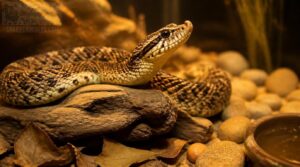
Yes, Petco does carry hognose snakes — but availability isn’t guaranteed at every location. The species stocked, morphs offered, and whether you can buy online all depend on a few key factors. Here’s what you need to know before making the trip.
Once you bring your hognose home, stable temperatures are non-negotiable — check out these reptile thermostats for traveling snake owners to keep your setup dialed in wherever you are.
Compare common hognose snake morphs and price ranges to spot whether a store’s offer is fairly priced.
Species Commonly Stocked
Yes, Petco does sell hognose snakes, though availability isn’t guaranteed at every location. Western hognose snakes (Heterodon nasicus) are the species you’re most likely to find on the shelf. Eastern and Southern hognose snakes are rarely stocked. Inventory cycles weekly with supplier shipments, so calling your local store before visiting is always a smart move.
If you’re new to researching reptile care, adopting a data-centered reading approach when reviewing care guides and scientific literature can help you better interpret the figures and findings that inform what works best.
Western Versus Eastern Hognoses
Petco stocks Westerns almost exclusively. Here’s how they differ from Easterns:
- Adult size: Westerns reach 30 inches; Easterns hit 40.
- Nose shape: Westerns are sharper, upturned; Easterns flat and round.
- Color variation: Westerns run muted gray-tan; Easterns show bolder sandy-brown tones.
- Habitat preference: Westerns prefer dry sand; Easterns favor wetter, loamy soil.
- Defensive behavior: Easterns bluff dramatically; Westerns stay shy.
In-Store Versus Online Availability
Knowing the species doesn’t guarantee you’ll find one locally. Not every Petco carries hognose snakes, and in-store stock depends entirely on cage space, local demand, and supplier shipments. Call ahead before making the trip.
Online is a different story. Petco’s website updates hourly with new inventory, and some morphs appear exclusively online. You can also buy online and pick up in store, which lets you reserve a snake before someone else does.
Morph and Color Options
Stock varies by location, but so do your hognose snake morphs. The range is wide: from the reddish orange of a red phase to the gray of an anerythristic.
Albino individuals show ivory tones and pale pink eyes. Patternless snakes drop the saddles entirely. Some stores stock sunset caramel combos, but rarer picks like piebald show up online more often.
How Much Are Petco Hognose Snakes?
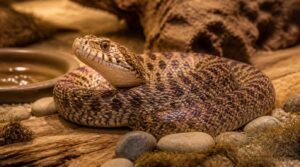
Hognose snake prices at Petco aren’t one-size-fits-all — they shift based on age, morph, and where you’re shopping. A normal hatchling and a designer juvenile can sit at completely opposite ends of the price range. Here’s a breakdown of what you can expect to pay across the most common categories.
Prices by Age and Morph
Age drives price just as much as genetics. Hatchling hognose snakes at Petco usually cost $30 to $60, with morph type pushing those totals higher. Juveniles usually run $10 to $20 more, reflecting their proven feeding record.
Local demand can shift prices by up to $15 between nearby stores. Seasonal in-store promotions occasionally trim hatchling costs by $5 to $10.
Standard Versus Designer Morphs
The gap between standard and designer morph pricing is real. Standard hognose snake morphs at Petco usually run $80 to $150, showing muted, natural coloration close to wild types.
Regardless of price, consistent reptile nutrition and health monitoring tips help protect your investment and your snake’s wellbeing.
Designer combos like albino or axanthic push into $90 to $190 and beyond, layering saturated color tones, bold banding, and contrasting ventral patterns. More genetic traits stacked means a higher price tag.
Hatchling Versus Juvenile Pricing
Price drops when you buy a hatchling at Petco. Neonates usually run $40 to $70, while juveniles push $100 and up.
That savings comes with a catch. Hatchlings at 8 to 12 inches often have unproven feeding habits, meaning refusals are common. Juveniles cost more because they’ve already eaten consistently on frozen-thawed prey.
With rare morphs, though, hatchling prices climb fast.
Factors Affecting Local Prices
The same snake can cost $20 more across town. Local demand levels push prices up at busy stores, especially for popular morphs.
Seasonal sales events can knock prices down a lot. If a nearby pet shop sells hognose snakes cheaper, some Petco locations will price-match.
It pays to call around before you commit.
Adoption and Rescue Alternatives
Buying from Petco isn’t your only path. Reptile rescues and adoption centers place hognose snakes into approved homes, often at lower cost. Fees usually cover health checks and basic supplies.
Some centers run foster-to-adopt programs, letting you trial the match before committing. Check online reptile adoption directories or local rescue events to find available hognose snakes near you.
How Do You Choose a Healthy Petco Hognose?
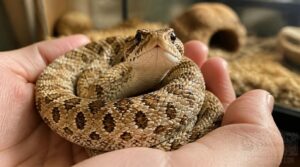
Picking a healthy hognose at Petco takes more than a glance through the glass. A few quick checks—before you hand over your card—can save you a lot of stress down the road. Here’s what to look for.
Ask About Arrival Dates
Timing matters more than most buyers realize. Most Petco locations receive reptile shipments on Tuesdays and Fridays, with occasional weekend arrivals.
New hognose snakes are usually held 24 to 72 hours before hitting the floor, and arrival dates can shift due to breeder schedules, vet holds, or weather delays.
Call ahead. Confirm current stock before you make the drive out.
Confirm Frozen-Thawed Feeding
Before you commit, ask staff to confirm the hognose snake diet includes frozen-thawed mice and request a feeding record. Good reptile nutrition starts with:
- Thaw safely, then warm prey to 32–34°C.
- Use tongs when handling frozen prey.
- Match prey to mid-body width.
- Note feeding response signs.
This prey warming technique helps a reliable hognose snake feeding schedule and snake prey size matching.
Check Skin, Eyes, Breathing
After confirming meals, inspect the animal yourself. A skin tone check should show smooth, glossy scales, no mites, sores, or stuck shed. Use this quick screen before accepting any health guarantee:
| State | Sign | Action |
|---|---|---|
| Skin | Clear, glossy | Pass |
| Eyes | clear eyes | Eye clarity test |
| Breathing | wheezing | Breathing sound check |
| Shed | Shedding observation | Hydration assessment |
Reject open-mouth breathing or sunken eyes.
Review Feeding and Shed Records
Clear skin and breathing matter, but records reveal patterns. Ask to review dated entries for:
- Frozen-thawed mice offered and accepted.
- Hognose snake feeding frequency, usually 5–7 days for hatchlings, then 7–10.
- Hognose snake shedding dates and appetite changes.
- Weight trends matching snake growth rate.
- Refusals or regurgitation event logs.
That reptile health monitoring records prey-type preferences and keeps clear care history.
Pre-Purchase Health Red Flags
Records matter, but the snake’s condition decides. Inspect its clean vent area. Lethargy, weak tongue-flicking, kinks, wobble, or poor posture mean walk away before purchase.
| Signs | Concern |
|---|---|
| Wheezing, open-mouth breathing, bubbles | Respiratory infection, distress |
| Mite infestations, black dots, mite dirt, stuck shed; sunken eyes, wrinkled skin | Parasites, dehydration |
| Mouth mucus, swollen gums, saliva; refusal, regurgitation | Oral infection, feeding issues |
Need veterinary clearance.
What Setup Does a Petco Hognose Need?
A hognose’s enclosure does more than hold your snake—it shapes how safe and settled it feels. Before bringing one home from Petco, make sure you can provide the right conditions from day one. Here’s what your setup should include.
Enclosure Size by Age
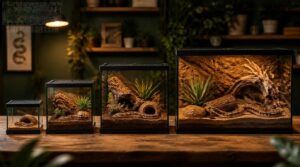
Match the enclosure to growth stage. A hatchling needs a 20gallon terrarium, about 30 by 12 by 12 inches. This gives secure hatchling space needs without feeling exposed.
Move a growing juvenile into a 40gallon terrarium, ideally 36 by 18 inches. Subadult enclosure requirements rise to 55–75 gallons and 48 inches long. For adult care requirements, choose 75–125 gallons with generous floor space.
Deep Burrowing Substrate
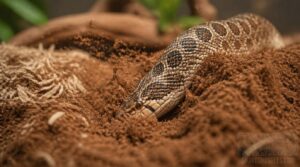
Give your hognose room to dig. Use 4–6 inches of aspen shavings or coconut fiber for juveniles and adults, increasing depth as your snake grows. Hatchlings need only 2–3 inches.
- Keep moisture near 40–60%.
- Mist lightly if tunnels crack.
- Scoop feces shallowly, preserving burrows.
- Replace moldy areas promptly.
Avoid cedar, pine, scented reptile substrate types, and hard debris.
Warm and Cool Zones
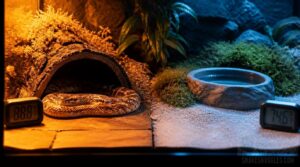
Set a temperature gradient across the enclosure depth. Keep the warm hide at 85 to 90 degrees, using a heat mat or ceramic emitter beneath one end. A smooth tile helps heat move safely through the substrate.
Place the cool zone opposite, around 70 to 75 degrees. Monitor both ends with probes, and use a thermostat safety cutoff at 100 degrees.
Humidity and Monitoring Tools
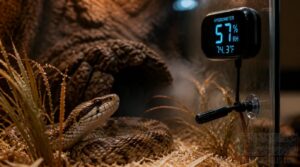
Keep humidity at 40–60%, then raise it to 60–70% briefly during shedding if needed. Extended levels above 70% invite mold and respiratory trouble.
Budgeting for a humidity gauge and a reliable heat setup upfront is smart, and this ball python cost and care guide breaks down what to expect each year.
Consistent humidity management supports respiratory health, a key factor in extending your corn snake’s lifespan.
Use a digital hygrometer with min-max memory. Place its sensor one-third up from the substrate, away from vents and water bowls. Check readings twice daily, log trends, and calibrate monthly. A dew-point display helps flag condensation and poor reptile water hygiene.
Hides, Decor, and Enrichment
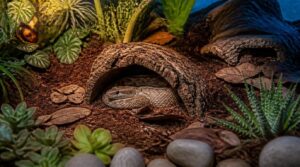
Use two secure hides, one warm and one cool, each 1.5 times your snake’s girth with a clear retreat path.
- Hatchlings need 3–4 inches of loose substrate; adults need 4–6 inches.
- Add stable cork bark and plant cover.
- Rotate reptile enrichment decor monthly.
Bury scent-free meal tunnels to simulate hunting. During reptile habitat maintenance, remove unstable decor, check burrows, and clean hides weekly.
What Care Do Petco Hognose Snakes Need?
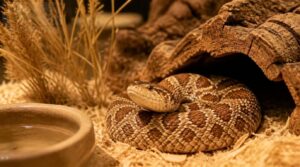
Daily care matters just as much as the enclosure you choose. A steady routine helps your hognose eat well, grow properly, and stay calm around you. Here’s what you’ll need to manage as your snake settles in.
Feeding Schedule by Age
A reliable hognose snake feeding schedule changes as your snake grows. Hatchlings, often 8–12 inches long, eat frozen-thawed pinkies every 5–7 days.
Juveniles eat every 7–10 days, using prey about 1–1.5 times their mid-body width. Subadults move to fuzzies or rat pinkies every 10–14 days. Adults need small mice or rats every 14–21 days. Track weight, appetite, and body condition.
Safe Handling and Acclimation
After feeding, let your snake settle for 48 hours.
Begin hognose snake acclimation with five-minute sessions in a quiet, 75–85°F room. This reptile handling frequency can increase by five minutes every few days when it stays calm.
Wash hands, support its body with two hands, and move slowly. End handling for stress signals or defensive displays, such as gaping.
Defensive Behaviors and Temperament
A calm routine prevents most problems, but hognoses are famous for bluffing behavior. Head flattening, neck flattening, hissing, and mock strikes make them look fierce, yet most avoid biting.
Hognose snakes may hiss, flatten their heads, and mock-strike, but they rarely bite
Some respond by playing dead, rolling over and releasing a harmless scent. Don’t poke or persist. Return your snake to its enclosure.
Snake temperament varies. Frequent defensive displays can trigger stress feeding refusal, so provide secure hides and handle gently.
Growth, Adult Size, Lifespan
After bluffing fades, you can watch hognose snake size progression. Hatchlings measure 6–9 inches, reach 14–18 inches in year one, and finish at 24–30 inches by age two. Females tend to weigh more.
- A snake becoming confident
- Steady gains from good husbandry
- 12–20 years together
Temperature, prey quality, space, genetics, and snake body condition greatly shape growth and hognose snake lifespan.
Shedding and Health Warning Signs
Steady growth brings sheds. Juveniles may shed every few weeks; adults, every few months. Keep humidity at 30–50%, use a moist hide, and watch snake stress signals.
| Sign | Meaning | Action |
|---|---|---|
| Retained eye caps | Dehydration | Reptile vet care |
| Incomplete shed | Low humidity | Correct setup |
Post-shed monitoring helps hognose snake health and hognose snake care. Persistent hognose snake shedding problems need help.
Frequently Asked Questions (FAQs)
How much does a hognose snake usually cost?
Most hognose snakes cost $65–$200 for common captive-bred morphs. Hatchlings cost less than juveniles, while designer morphs can exceed $ Seasonal promotions may help, but rescue adoption, often $25–$60, is usually cheapest.
Does Petsmart sell Hognose snakes?
Finding one can take some detective work. Petsmart rarely sells hognose snakes; reptile stock varies by region. Check online and call stores, since Petco may occasionally receive captivebred snakes while Petsmart inventory remains inconsistent.
Are Hognose snakes bad pets?
No. Their calm temperament suits beginner pet snakes, but stress, feeding issues, and defensive displays require patient snake handling. Reptile pet ownership is long-term. Choose a healthy snake with a reptile health guarantee.
How much does a blue tongued skink cost at Petco?
At Petco, blue-tongued skinks usually cost $150–$600. Northern skinks trend lower, while Indonesian types and designer colors cost more. Hatchlings start near $150, adults reach $600, and local promotions or online listings can shift prices.
What kind of snakes does Petco sell?
Many Petco locations sell Ball pythons, Corn, King, Garter, and Milk snakes, and other pet store reptiles. Stock varies by region. Some stores may carry hognose snakes, including Western hognose snake or Eastern hognose snakes.
Is a 20 gallon tank big enough for a hognose snake?
It depends on your snake’s sex. Males top out near 2 feet and live comfortably in a 20 gallon long tank. Females hit 5 to 3 feet and will eventually need a 40 gallon or larger.
Can a hognose snake be kept as a pet?
Yes, hognose snakes are excellent beginner pets. They’re non-venomous, rarely aggressive, and adapt well to captivity. Set up the right hognose snake habitat, stick to a feeding routine, and they can live well past 15 years.
What is the average lifespan of a petco hognose snake?
Western hognose snakes commonly live 12 to 18 years in captivity. With quality reptile care, a consistent feeding schedule, and regular reptile veterinarian checkups, some well-kept individuals push past 18 and approach 20 years.
How often should I handle my petco hognose snake?
Like a trust-building handshake, snake handling takes patience. Start with once every 4-7 days, keeping sessions under 10 minutes. After acclimation, aim for 1-2 times weekly. Skip handling right after feeding or during shedding.
Can hognose snakes live with other reptiles?
No. Hognose snakes are solitary by nature and don’t share space well with other reptiles. Cohabitation raises real risks: stress, feeding competition, and disease transmission through shared substrate. Keep yours in its own enclosure.
If you’re still weighing which species fits your lifestyle, this guide to choosing the right snake for you covers temperament and space needs before you commit.
Conclusion
The simplest snake to own demands the most careful buying decision. Petco hognose snakes are widely available, yet availability doesn’t equal readiness.
Call the store first. Confirm feeding records. Check for clear eyes, clean skin, and steady breathing before you hand over a single dollar.
Have the enclosure warm and the hides buried deep before pickup day arrives. A snake that feels truly at home from day one settles faster, eats better, and lives longer.