This site is supported by our readers. We may earn a commission, at no cost to you, if you purchase through links.

Corn snakes have been captive-bred long enough that breeders now work with dozens of distinct genetic combinations—yet most people browsing corn snake morphs for sale still don’t realize how dramatically genetics shape both appearance and price. An Albino hatchling and a Palmetto hatchling share the same species, but their genetic alleles tell completely different stories. One carries a single recessive amelanistic gene that washes out melanin; the other requires two copies of its own recessive allele to produce that ghostly pale background with soft pink-brown patterning.
That genetic complexity is where things get interesting for a buyer. Color, pattern, adult size, and market value all trace back to specific gene combinations—and knowing what you’re looking at separates a confident purchase from an expensive guess.
What follows breaks down the most sought-after morphs, rare designer picks, honest price comparisons, and what to look for before any snake ships to your door.
Table Of Contents
- Key Takeaways
- Best Corn Snake Morphs for Sale
- Rare Designer Corn Snake Morphs
- Compare Corn Snake Morph Prices
- Choose Your Perfect Corn Snake
- Buy Corn Snake Morphs Online
- Frequently Asked Questions (FAQs)
- Can you make a new corn snake morph?
- What are the best looking corn snake morphs?
- What is a corn snake morph?
- Are there any colubrid corn snake morphs?
- How much is an albino corn snake for sale?
- What is the darkest corn snake morph?
- Is a 20 gallon good for a corn snake?
- How much does a corn snake morph cost?
- Are there any corn snake morphs?
- Where can I find cornsnake morphs?
- Conclusion
Key Takeaways
- Corn snake genetics directly determine color, pattern, and price, so understanding whether a morph is recessive, dominant, or multi- gene helps you evaluate any listing before you buy.
- Common morphs like Albino, Snow, and Ghost make the best entry points for beginners, typically priced under $150 and tolerant of standard care conditions.
- Rare designer morphs such as Palmetto, Scaleless, and Plasma can exceed $2,000, with price driven by genetic complexity, breeder reputation, and documented pedigree.
- When buying online, prioritize sellers who provide health certificates, live arrival guarantees, feeding history records, and overnight shipping with temperature‑controlled packaging.
Best Corn Snake Morphs for Sale
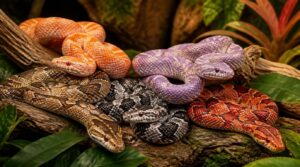
Corn snake morphs range from widely available classics to genuinely hard‑to‑find genetics that take years of selective breeding to produce.
Understanding how corn snake morphs are created through selective breeding makes it easier to appreciate why some combinations take dedicated breeders multiple generations to achieve.
Knowing which morphs are worth your attention — and why — makes the difference between a purchase you’re proud of and one that leaves you wondering what you missed.
Here are five morphs that consistently stand out for their quality, visual appeal, and availability.
Albino Corn Snakes
What makes the albino stand out isn’t just its looks — it’s the science behind them. This color morph carries an amelanistic recessive mutation, meaning both parents must pass on the gene for hatchlings to express it.
You get striking red-orange saddles on a cream background, red eyes, and color intensity that deepens with age.
Expect a snake reaching 4–6 feet with a calm, handleable temperament.
The mutation traces back to a wild‑caught individual mutation, reflecting its naturally occurring recessive allele.
Snow Corn Snakes
Where the albino keeps its warm tones, the snow strips color down to almost nothing. Combining amelanistic and anerythristic genes produces a white to pale gray body with soft lavender hints and pinkish-red eyes — no dark pigment anywhere.
Adults reach 4 to 5.5 feet, thrive at 75–85°F on the warm side, and feed on appropriately sized frozen-thawed mice every 7–10 days.
Ghost Corn Snakes
Ghost corn snakes take the palette even further toward the ethereal. The hypo gene reduces melanin while the anerythristic gene eliminates red, leaving a soft gray-to-tan body with pale blue‑gray eyes that genuinely live up to the name.
They’re calm, handle easily, and reach 3.5 to 5 feet, living 15–20 years—solid value for any keeper.
Palmetto Corn Snakes
Where Ghost morphs lean into detail, Palmettos go the opposite direction — hatchlings emerge nearly white, then slowly bloom into pale backgrounds with pink to peach-brown patterning as they shed.
- Recessive genetics mean two Palmetto alleles are required for full expression
- Adults reach 3.5 to 5 feet, with females usually larger
- Enclosures need 40–60% humidity to support healthy shedding
Rare, striking, and worth every penny of that corn snake price.
Ultramel Corn Snakes
Unlike Palmetto’s near-white canvas, Ultramel genetics suppress melanin only partially — producing a pale gray-tan base layered with soft orange and red tones that deepen noticeably across successive sheds.
| Trait | Detail |
|---|---|
| Genetics | Recessive (uu); two copies required |
| Coloration | Pale tan base, orange deepens with age |
| Feeding schedule | Every 7–10 days for juveniles |
| Temperature gradient | 28–32°C warm side |
Corn snake price for Ultramel starts near $99, rising with age and breeding potential.
Before buying, review corn snake habitat and health tips to understand the care commitment behind an Ultramel’s higher price tag.
Rare Designer Corn Snake Morphs
If you’re ready to move beyond the everyday picks, designer morphs are where things get genuinely interesting.
These are the multi-gene combinations and rare mutations that push corn snake genetics into new visual territory, from near-white animals to completely scaleless specimens.
Here’s a closer look at five designer morphs worth knowing.
Blizzard Morphs
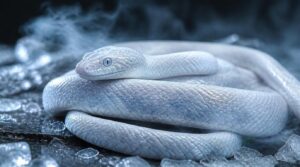
The blizzard corn snake earns its name — pale ice-blue and white scales with cooler gray shading create a genuinely frosty silhouette unlike most corn snake morphs. That look comes from combining recessive alleles with an albino base, which strips melanin and sharpens the contrast considerably.
Husbandry stays straightforward: temperatures between 78–90°F, humidity around 40–60%. Rare availability means when one’s listed, it moves fast.
Opal Morphs
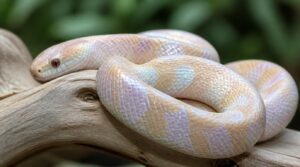
Opal corn snakes carry something most morphs don’t — a pale iridescent shimmer that shifts across the dorsal scales depending on the light. The base runs cream to yellow, with soft lavender accents along the sides.
Because opal is recessive, both parents must carry the gene for visual offspring to appear, making selective pairings essential. Combined with Palmetto or Snow lineages, the results are stunning.
Plasma Morphs
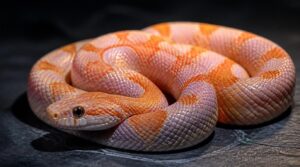
Plasma morphs produce a fluid color shift — pale base tones blending into warm orange accents, creating that glowing, pearlescent look serious collectors seek.
Achieving genetic stability requires selective breeding across several generations, since plasma expression combines multiple alleles rather than a single gene.
- Pale ground with warm dorsal accents
- Pearlescent visual sheen under direct light
- Banded, splotchy pattern rather than striped
- Compatible with other morphs for layered visuals
- Variable brightness between clutchmates
Tessera Patterns
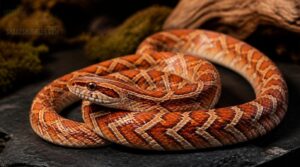
Tessera corn snakes carry a geometric motif design unlike anything else in the hobby — clean dorsal stripes replacing the typical blotched pattern, with crisp edges that almost look deliberately tiled.
That pattern symmetry effect runs the full length of the body, producing a tessellation-style visual that shifts under light. It’s a dominant mutation, so even single-gene animals display the full look reliably.
Scaleless Corn Snakes

Scaleless corn snakes feel genuinely different the moment you pick one up — that velvety skin texture has no parallel among corn snake morphs.
The SMR scaleless corn snake line produces this look through recessive breeding genetics, meaning both parents must carry the gene.
Handle them gently, keep humidity consistent for clean sheds, and expect unique color saturation that scaled animals simply can’t match.
Compare Corn Snake Morph Prices
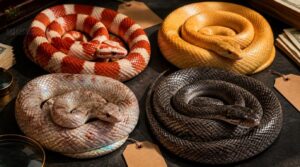
Corn snake prices span a wide range, and knowing what drives those numbers helps you shop smarter. A few key factors — morph rarity, age, sex, and the time of year — can push a price from under $100 to well into the thousands. Here’s a breakdown of what to expect across each of those categories.
Common Morph Price Ranges
Most corn snake morphs for sale fall into a predictable range once you understand what drives the price.
Albino value factors like pattern clarity and lineage push hatchlings from $100 to $350. Snow and Ghost morphs climb higher depending on parentage, while Palmetto contrast pricing regularly reaches $900 for proven stock.
Ultramel market demand keeps that morph comfortably between $300 and $700.
Rare Morph Pricing
Rare corn snake morphs for sale operate by different rules.
Blizzard, Plasma, and Opal listings regularly start at $800 and climb past $2,000 when multi-gene snake morph genetics are involved — that’s a 25–50% premium over single-gene stock, and breeder reputation can push the same color morph another 20–40% higher, and proven pedigree documentation justifies every dollar of that gap.
Age and Size Factors
Price shifts with age just as much as genetics. A baby corn snake costs less upfront, but juvenile and young adults carry a premium — they’ve proven their feeding response and cleared quarantine milestones.
- Baby: lowest entry price
- Juvenile: mid-tier, eating reliably
- Young adult: higher cost, less risk
- Ghost morphs reach 4–5 feet
- Palmetto individuals can exceed 5 feet
Morph size and maturity rates factor into every Corn Snake for Sale listing.
Sex and Breeding Value
Sex drives price as much as genetics does. Females carry female breeding potential and command noticeably higher prices because they contribute directly to your breeding program’s output.
A female’s genetic merit passes half her value — her transmitting ability — to every clutch she produces, making her a long-term asset. For serious breeders, selecting high-value parents by sex isn’t optional; it’s the foundation.
A female’s genetic merit flows into every clutch she produces, making her the foundation of any serious breeding program
Seasonal Availability Trends
Timing your purchase around breeding cycle windows makes a real difference. Hatchling availability peaks in late spring, when new clutches hit the market and corn snake morphs are at their widest variety — but so is competition.
Off-season buying, usually winter, often means steadier pricing and shorter wait times, though weather shipping impacts can slow delivery on rarer color morph genetics.
Choose Your Perfect Corn Snake
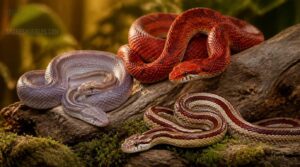
Picking the right corn snake comes down to more than just what looks good in the enclosure — it’s about matching the animal to your experience level, lifestyle, and long-term goals.
Whether you’re drawn to bold colors, striking patterns, or a snake that’s already eating well and easy to handle, each of these factors plays a real role in how that relationship develops.
Here’s what to keep in mind before you commit.
Beginner-Friendly Morphs
If you’re just getting started, albino, ghost, and snow morphs are the easiest entry points — affordable, widely available, and forgiving with standard care.
Albinos run $60–$150 and tolerate beginner-level husbandry well. Ghosts and snows sit in a similar range. All three thrive in a 75–85°F enclosure with consistent feeding, making your first pet corn snake experience far less stressful than you’d expect.
Color Preferences
What draws you to a corn snake first? Usually it’s color. Saturated hue appeal is real — bright oranges, pinks, and whites in albino and snow morphs rank among the top-selling snake color choices worldwide.
Three color types collectors gravitate toward:
- Vivid warm tones — albino and ultramel morphs
- Soft cool hues — snow and ghost morphs
- Rare lavenders — charcoal and caramel lines
Pattern Preferences
Pattern tells a different story than color. A tessera or motley stripe running the full body length creates a clean, graphic look, while mottled scale patterns — common in beginner-friendly morphs — read as textured and complex up close.
Pattern symmetry matters too: mirror-line dorsals photograph beautifully, whereas broken edges add rarity value.
Under bright light, high-contrast patterns genuinely shift in intensity.
Feeding History
A reputable breeder’s feeding history records tell you more than a snake’s age ever could.
Look for documentation covering:
- Dietary progression records from birth to current prey size
- Feeding behavior tracking, including any refusals
- Nutritional intake monitoring with feeding frequency noted
- Growth stage correlation tied to feeding dates
- Feeding difficulty documentation if strike-feeding was required
Snakes feeding reliably on frozen-thawed rodents are ready for pet snake care from day one.
Temperament Notes
Tamed pet corn snakes settle quickly with consistent, gentle handling — most juveniles calm down within 8–12 weeks of routine care. Brief sessions of 5–10 minutes reduce stress cues like tail flicking and gaping.
Snake genetics and age both shape personality, but environment matters just as much. Stable temps and predictable feeding schedules produce steadier, more confident snakes across virtually every morph.
Buy Corn Snake Morphs Online
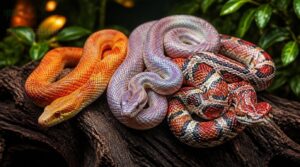
Buying corn snake morphs online doesn’t have to feel like a gamble if you know what to look for in a reputable breeder. The right seller backs every transaction with clear documentation, reliable shipping, and real-time inventory you can actually trust. Here’s what to check before you commit to any online purchase.
Health Certificates
Every corn snake listed comes with a health certificate signed by a licensed professional, including the issuing authority’s credentials and an official seal to prevent tampering.
Check the issuance date — certificates carry a validity window, so a lapsed document means the assessment no longer counts.
Identity fields, recent lab findings, and documented feeding history confirm the animal is exactly what you’re buying.
Breeder Quality Assurance
A health certificate tells you the animal passed inspection — but breeder quality assurance tells you why it was healthy in the first place.
Every captive bred corn snake morph here comes from a program built on traceable pedigree records, pathogen screening protocols, and compliance audit processes verified at regular intervals. Genetic lineage verification ensures you’re getting exactly what’s labeled, with CB reptile standards backing each sale.
Live Arrival Guarantee
When you buy corn snake morphs online, knowing your purchase is guaranteed alive matters. The live arrival guarantee applies only to overnight shipping — ground methods don’t qualify.
You’ll need to be available to sign on first delivery, report any DOA within 24–48 hours, and provide photo or video evidence. Temperatures must stay between 40°F and 90°F to keep coverage valid.
Overnight Shipping Details
Shipments go out Monday and Wednesday only via FedEx Priority Overnight, landing at your door the next day.
A flat $39.00 shipping fee covers every order, regardless of size. Insulated packaging keeps internal temperatures stable throughout transit, which is non‑negotiable for live reptile shipping. Miss the cutoff window, and your snake waits until the next scheduled dispatch day.
Inventory Availability Alerts
When a rare listing drops, it won’t last. That’s why inventory availability alerts let you stay ahead — the portal updates weekly, and real-time notifications fire the moment new animals appear or stock shifts.
Set your thresholds, choose email or in-app alerts, and you’ll know the instant a corn snake for sale matches exactly what you’re looking for.
Frequently Asked Questions (FAQs)
Can you make a new corn snake morph?
Creating something brand-new is rare precisely because it depends on patient repetition. Genetic stability comes from years of selective breeding techniques, careful lineage tracking, and avoiding inbreeding—proving that true originality in corn snake genetics takes generations, not luck.
What are the best looking corn snake morphs?
Albino ivory, snow ghost, and palmetto lavender hybrids consistently turn the most heads. Tessera patterns and opal designer combinations bring that extra visual edge — clean, striking, and genuinely hard to look away from.
What is a corn snake morph?
A corn snake morph is a genetic variant of Pantherophis guttatus produced by specific allele combinations that alter pigmentation or pattern, changing how the snake looks through Mendelian inheritance passed reliably from parent to offspring.
Are there any colubrid corn snake morphs?
Yes — corn snakes are colubrids. Pantherophis guttatus belongs to the family Colubridae, so every color morph and snake morph you see, from albino to scaleless, is technically a colubrid variant.
How much is an albino corn snake for sale?
Prices range from $40 to $150, depending on age, pedigree, and visual color quality. Shipping usually adds $ Hatchlings cost less, while older, proven-lineage specimens command premiums.
What is the darkest corn snake morph?
Charcoal and anerythristic combinations produce the darkest corn snake morphs, with melanin‑heavy variants displaying near‑black dorsal patterns.
Lavender blending further mutes red tones, achieving a deep chrome‑gray phenotype that looks almost black under standard enclosure lighting.
Is a 20 gallon good for a corn snake?
A 20 gallon works fine for juveniles up to 3 feet, but adults need 40 gallons or more. Ideal floor area should equal 75% of body length, so plan growth-based upgrades early to avoid space-related stress.
How much does a corn snake morph cost?
Corn snake morphs range from $40 to $2,000+, depending on genetics and rarity. Common morphs stay under $150, while rare designer morphs like Palmetto or Scaleless push well beyond that.
Are there any corn snake morphs?
Yes — there’s a whole spectrum. From recessive color morphs like albino and snow to rare multi-gene combinations, captive bred corn snake morphs offer stunning visual phenotype variations across dozens of distinct patterns and colorations.
Where can I find cornsnake morphs?
You can find captive bred corn snake morphs through local specialty shops, online marketplaces like Morph Market, reptile expos, or direct from breeders — each offering different advantages in selection, pricing, and rare lineage access.
Conclusion
The devil’s in the details when buying corn snake morphs for sale—and now you have the details.
Genetics determine color, pattern, and price long before a hatchling ever reaches your hands. Know what alleles you’re buying, confirm the breeder’s health guarantees, and let your preference for color or pattern guide the final call. The right morph exists for every keeper, whether you want a beginner-friendly Albino or a high-end Palmetto that stops conversations cold.